The Fascinating Archaeological Discovery That Put This South Carolina College On The Map
A mid-19th-century slave tag was discovered during an excavation at the College of Charleston, marking a significant archaeological find.
In the spring of 2021, a pre-construction excavation was being done at a 12-square-meter site at 63 1/2 Coming Street on the College of Charleston campus. The site contained remnants of a mid-19th-century kitchen. The dig was co-directed by Dr. James Newhard, Director of the College of Charleston's Center for Historical Landscapes, and a fascinating piece of history was unearthed in the process. This archaeological discovery in South Carolina was even named by Archaeology Magazine as a top 10 global discovery of the year. It's just another amazing thing to discover in what we think is South Carolina's most beautiful city.
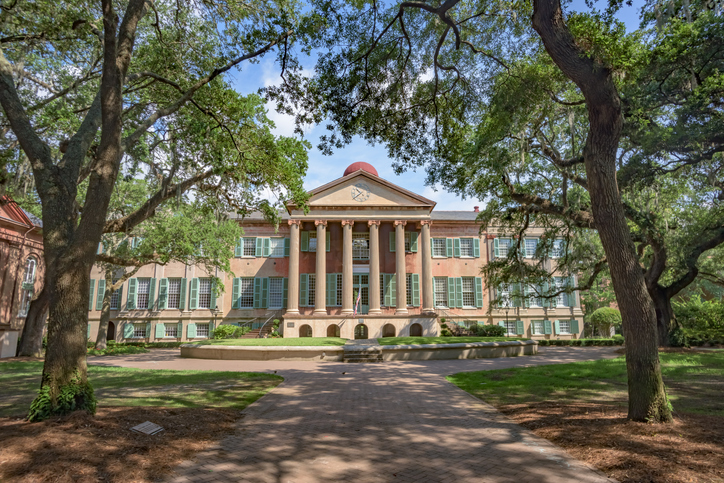
Dr. Newhard has taught at the College of Charleston since 2003 and specializes in landscape archaeology, the study of how human societies are impacted by environmental conditions and vice versa. About 36 students worked under his supervision for more than six weeks during the excavation.
During the dig, a small, copper, diamond-shaped slave tag, also known as a badge, dating back to 1853 was found.


Other archaeological discoveries during this dig included artifacts from the 1700-1800s including a hearth, animal bones, coins, pottery, and more.

Tags were worn by enslaved people who were hired out by their enslavers. The tag served as permit documentation that the slaveowner had registered with the city to allow the enslaved person to work for someone else.

Issued from the late 18th century until 1865, these tags bore registration numbers and identified enslaved people by their trades, such as carpenter, blacksmith, fisherman, or domestic servant. According to archaeologist R. Grant Gilmore III of the College of Charleston, Charleston is the only city that produced physical tags, even though other cities had similar hired labor arrangements.The tags were worn only by those working in the city, typically sewn to clothing. This gave the wearer more freedom of movement within the city than would be given to a slave working on a plantation. Wages earned still belonged to the slaveholders, although evidence does exist that some owners allowed the enslaved to keep anything earned in excess of what the slaveholder required.
This South Carolina archaeological discovery carries great historical significance, and this type of experience often evokes deep emotion for the person digging. As Dr. Newhard put it, “When you find something like this, its discovery needs to be managed. ‘It’s just another piece of data,’ one tells oneself. You keep matters subdued because sensational discoveries can put a site at risk.”

But you can witness firsthand the emotion at the moment of discovery of another slave tag at a different site in Charleston:
This tag dates back a few years earlier than the one from the College of Charleston site!


Once the tag can be restored, the details on it will become clearer.
Interestingly enough, it's believed that this tag belonged to an enslaved person categorized as a porter, which meant the person performed work such as loading and unloading ships, trains, airplanes, or perhaps baggage at hotels.


These types of archaeological finds serve as an important reminder of slavery and a powerful opportunity to help students connect the value of archaeological work to the history that it uncovers. They also give a voice to a part of history that had been buried and create opportunities for dialogue within the community and beyond about the history of slavery and how we can better understand and learn from this difficult part of the past.
What are your thoughts about this incredible archaeological discovery in South Carolina?
Read about nine other fascinating archaeological discoveries in South Carolina. Which most interests you and why? If you're ever up for a road trip to check any of them out, we've got a great road trip packing list to help you plan your trip!
Want to discover another hidden gem near the College of Charleston - but one of the edible kind? Pay a visit to the Legend Deli just outside the campus, where you'll be able to dig into massive sandwiches with names like "Up to No Gouda". The ingredients are fresh, the prices are reasonable, and the locals are already lining up at lunchtime!
Subscribe to our newsletter
Get the latest updates and news
Thank you for subscribing!