Travelers Beware: UV Exposure in Wyoming Will Be Extreme This Summer
Cool mountain temperatures can be deceiving. Wyoming's high elevations bring some of the strongest UV exposure in the country, making sun protection essential for summer travelers.
Wyoming is the perfect place to let your guard down during the summer months thanks to its crisp mornings, open skies, and refreshing mountain air. However, that is what can catch many visitors off guard. From Yellowstone National Park to Grand Teton National Park, Wyoming's high elevations expose travelers to stronger ultraviolet (UV) radiation than they may be used to at home. Even on mild or partly cloudy days, spending several hours outside without proper protection can lead to painful sunburn and dehydration. Taking a moment to understand how elevation affects the weather will lead to a happier travel experience as you safely enjoy the state’s iconic landscape.
Why Wyoming's Summer Sun Feels So Intense
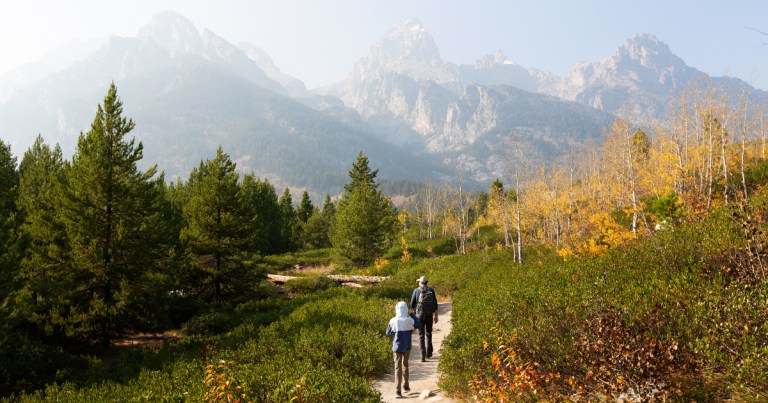
With a majority of Wyoming perched well above 4,000 feet in elevation, several of the most popular destinations reach 6,000 to 8,000 feet or more. With increasing elevation, the atmosphere becomes thinner, allowing more ultraviolet radiation to reach the ground.
Combining longer summer days and hours spent fishing, hiking, or sightseeing, it’s easy for a majority of hikers to experience higher UV rays than expected. Since temperatures often remain pleasant, most visitors don’t realize that they are being overexposed until the day is over.
Where Travelers Notice It Most

The most popular outdoor destinations, like Grand Teton, Devil’s Tower National Monument, Yellowstone, and the Bighorn Mountains, often offer travelers very little shade. Known for "wide open spaces," alpine lakes, scenic overlooks, and open meadows can offer the greatest risks of overexposure between late mornings and mid-afternoons when the sun is at its highest point.
However, preparing doesn’t require changing locations, just planning. A broad-spectrum sunscreen with SPF 30 or higher should be part of every daypack, along with a wide-brimmed hat, UV-blocking sunglasses, and lightweight clothing that covers exposed skin. Reapplying sunscreen throughout the day is especially important during long hikes or boating trips.
Wyoming’s dry mountain air allows sweat to evaporate extremely quickly, so staying hydrated is equally important. Having enough water, packing electrolyte packets, and checking the daily UV Index before heading out can help during longer hikes or later in the day when the exposure is generally lower.
The Best Time of Day To Be Outdoors in Wyoming

Early mornings tend to offer cooler temperatures, lower UV levels, and softer light, making it perfect for planning outdoor excursions. Late afternoons and evenings are also more comfortable, especially if you're spending several hours outside.
When the sun is strongest around midday, consider taking breaks to explore any indoor attractions, visitor centers, or leisurely lunches for the middle of the day. Not only can this help reduce UV exposure, but it also makes outdoor activities more enjoyable during Wyoming's warmest hours.
Is Wyoming Still Worth Visiting in the Summer?
Absolutely! Summer is one of the best times to experience Wyoming's national parks, scenic byways, and mountain trails. The state's comfortable temperatures make outdoor adventures especially appealing, but those same pleasant conditions can create a false sense of security when it comes to sun exposure.
A little preparation goes a long way. Pack sun protection alongside your hiking boots, and you'll be ready to enjoy Wyoming's spectacular landscapes while staying safe under its famously big skies.
Subscribe to our newsletter
Get the latest updates and news
Thank you for subscribing!