Travelers Beware: California’s “Big One” Fear Is More Complicated Than You Think
California’s earthquakes are part of the state’s landscape, but understanding the risks and knowing how to respond can help visitors explore the state with confidence.
California is a place where dramatic landscapes are everywhere. Visitors come for ocean cliffs, redwood forests, desert scenery, mountain towns, and some of the country’s most famous cities. But beneath those familiar destinations is another force that has shaped the state for millions of years: earthquakes.
The phrase "the Big One" has become closely associated with California, often creating the impression that a major earthquake is an inevitable event waiting around the corner. The reality is more complicated. Earthquakes are part of California’s geology, but they are also unpredictable. There is no earthquake season, and experts cannot determine exactly when a major event will occur. For summer travelers, the best approach is not to avoid California. It is to understand the landscape, know basic safety steps, and travel with the same awareness one uses in any natural condition.
Why Earthquake Awareness Matters for Summer Travelers in California
Summer brings some of the highest numbers of visitors to California. Travelers fill coastal communities, explore national parks, take road trips through mountain regions, and spend time in cities built near some of the state’s active fault systems.
While earthquakes do not become more common during summer, the season does bring more people into areas where seismic activity has shaped the environment. A visitor walking through San Francisco, driving along the Central Coast, or hiking near Southern California’s mountain ranges may be closer to an active fault system than they realize. But that does not mean a trip is unsafe. Most earthquakes in California are small, and many go unnoticed by residents or visitors. The goal of earthquake awareness is to help travelers feel prepared rather than surprised.
Why California Experiences So Many Earthquakes

California’s earthquake activity comes from its unique location along the boundary between the Pacific Plate and the North American Plate. These massive sections of Earth’s crust are constantly moving, creating stress along faults that is eventually released as earthquakes. The San Andreas Fault is the state’s most recognizable fault system, but it is only one part of a much larger network. Faults throughout the Bay Area, Southern California, and inland regions all contribute to the state’s seismic activity.
According to the U.S. Geological Survey, thousands of earthquakes occur in California each year. However, the overwhelming majority are too small to feel and do not affect everyday life. The same geological forces responsible for earthquakes have also helped create many of California’s most famous landscapes, from rugged coastlines to dramatic mountain ranges.
What Travelers Should Expect During an Earthquake

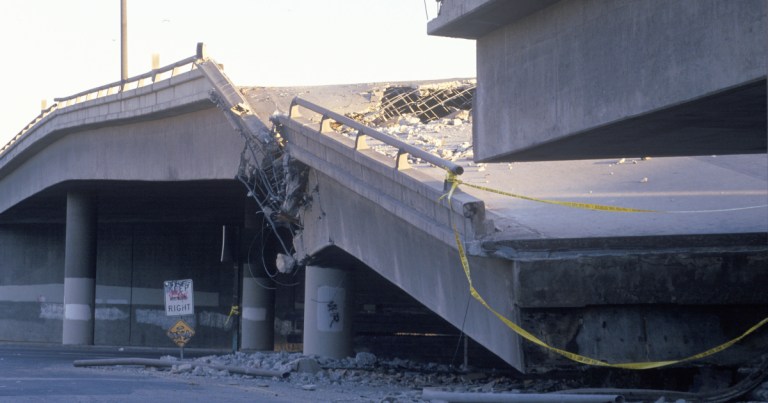
For visitors who have never experienced an earthquake, the sensation can be unfamiliar. Smaller earthquakes may feel like a brief vibration or a sudden movement beneath your feet. Stronger earthquakes can cause noticeable shaking, objects to fall, and temporary disruptions to transportation, power, or communication.
The most important thing for travelers to remember is to stay calm. During a shaking event, experts recommend the "Drop, Cover, and Hold On" method. This means getting low, protecting your head and neck, moving under sturdy furniture if available, and holding your position until the shaking stops. Travelers should avoid rushing outside during an earthquake, as areas near buildings can present additional hazards from falling debris.
How To Prepare Before Visiting California
Preparing for an earthquake does not require major changes to a vacation itinerary. A few simple habits can make a visit more comfortable.
Before arriving, travelers can familiarize themselves with local emergency information, keep their phones charged, and know where exits are located in hotels, rentals, or other accommodations. Those taking long road trips through remote areas may also want to carry basic supplies such as water and snacks.
Visitors heading into California’s parks and wilderness areas should pay attention to local advisories. After a significant earthquake, some trails, roads, or recreation areas may experience temporary closures due to rockfall or other hazards.
The most valuable preparation is awareness. Knowing what to do before an event happens can make the experience less stressful if one occurs.
Is California Still Worth Visiting This Summer?

California remains one of the most rewarding destinations in the country. Its beaches, national parks, scenic highways, and outdoor adventures continue to attract millions of travelers every year. Earthquake risk is simply one part of understanding the state. Much like checking wildfire conditions, extreme heat forecasts, or trail updates, learning basic earthquake safety is another step toward being a prepared visitor.
The forces that move beneath California have also created many of the landscapes that make the state extraordinary. For travelers willing to explore with awareness and curiosity, California remains a destination unlike any other.
Subscribe to our newsletter
Get the latest updates and news
Thank you for subscribing!