California Has 12 Airports in the Rankings—a $122 Spread
Hollywood Burbank ranked 13th most affordable nationally at $331.16. San Francisco ranked 92nd at $453.22. California travelers have more airport choices—and more price variation—than almost anyone else.
No state offers more domestic airport options than California—or more variation in what you'll pay to fly out of them. Only In Your State recently analyzed data from the Bureau of Transportation Statistics on average domestic airfares at the 100 busiest U.S. airports, and California had 12 airports on that list. The spread between the most and least affordable is $122.06.
Hollywood Burbank Airport (BUR) ranked 13th most affordable nationally at an average of $331.16—well below the national average of $387. Oakland San Francisco Bay Airport (OAK) came in 14th at $332.28. Long Beach Airport (LGB) ranked 21st at $346.38. For travelers in Southern California or the Bay Area with access to these secondary airports, the savings versus a major hub can be substantial.
The Full California Rankings
San Jose (SJC) averaged $352.42, ranking 23rd. San Diego International (SAN) came in 36th at $371.54. Ontario International Airport (ONT) ranked 41st at $379.35. Sacramento International (SMF) was 47th at $391.75—essentially at the national average.
On the more expensive end: Los Angeles International (LAX), the busiest airport in California, averaged $423.63, ranking 80th. Palm Springs International (PSP) came in at $425.17, ranking 83rd. John Wayne Airport in Orange County (SNA) averaged $420.58, ranking 75th. Fresno Yosemite International (FAT) averaged $418.87, ranking 73rd.
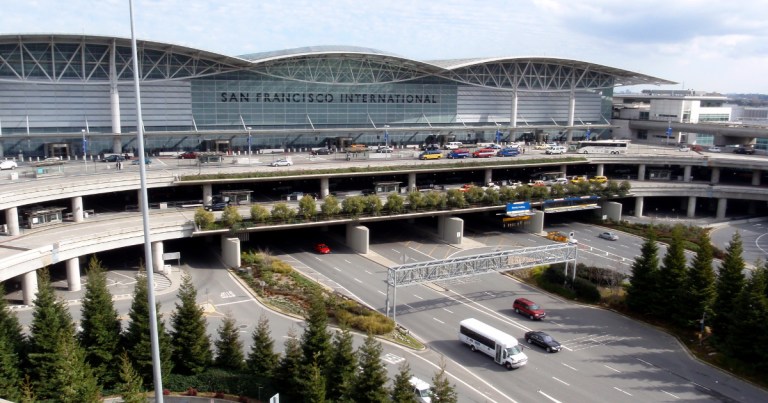
The most expensive California airport in the rankings is San Francisco International (SFO) at $453.22—ranking 92nd nationally. SFO is the 10th busiest airport by passenger volume, which makes its high cost ranking notable. Despite heavy traffic, it's one of the pricier places to begin a domestic trip.
What the Data Tells California Travelers
The clearest takeaway for California travelers is that secondary airports frequently offer lower fares than the major hubs. Burbank instead of LAX. Oakland or San Jose instead of SFO. Long Beach instead of LAX. The driving time between many of these airports is modest, and at $90 or more per ticket in savings, the math often justifies the detour.
The most expensive airports in California—SFO, LAX, Palm Springs—tend to be either major connecting hubs or leisure-focused airports where demand outpaces the competitive pressure that keeps fares lower at secondary options.
This data reflects 2025 averages from the Department of Transportation, released in May 2026. Current fares may be higher due to a recent uptick driven by rising jet fuel costs, but the relative differences between airports tend to hold over time.
Planning Your California Departure
With 12 airports in the rankings, California travelers have more options than most. Comparing departure fares across nearby airports before booking can be one of the fastest ways to find savings. Pair that flexibility with early booking and the right tools for finding cheap flights, and the state's geographic diversity becomes a genuine financial advantage.
To get the most from your next departure, explore finding cheap flights and unexpected ways to cut travel costs to help stretch your budget further once you've already got a head start.
To see how every major airport in the country compares—plus the full methodology behind the data—explore the complete U.S. Airport Cost Rankings for 2026.
Subscribe to our newsletter
Get the latest updates and news
Thank you for subscribing!