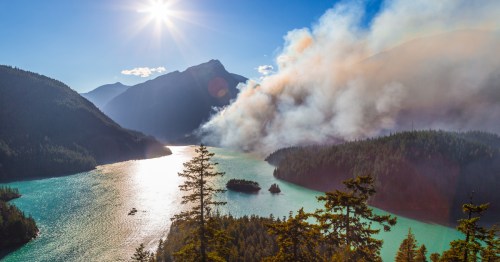
Travelers Beware: Wildfire Smoke in Washington Could Be Extreme This Summer
Washington's summer weather is ideal for hiking, road trips, and national park adventures, but wildfire smoke can quickly change conditions. Here's what travelers should know before they go.
Washington State is the place where travelers picture snow-capped mountains, mild temperatures, and evergreen forests that go on forever. While those landscapes are certainly part of the experience, there's another seasonal factor travelers should keep on their radar: wildfire smoke.
Late summer has become significantly more dangerous for wildfires across most of the Pacific Northwest. Determined by shifting wind patterns and fire activity, smoke can affect air quality and reduce visibility, usually with little warning. Don't cancel your travel plans to Washington just yet. Now is the time to be prepared and flexible, especially if you are spending time outdoors.
What Gets Extreme in Washington During Summer?
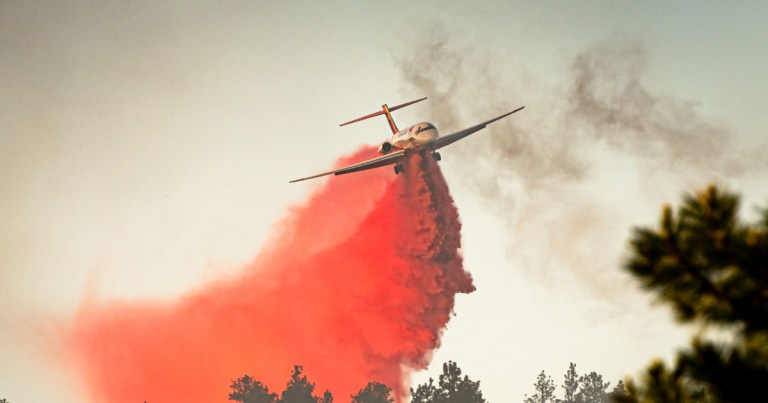
Usually, a factor between July and September thanks to the dry, warm weather, some years bring brief periods of haze, while other years sadly create conditions that linger for days. Usually, the smoke doesn't stay there. Winds can carry it across the Cascade Range, affecting destinations like Seattle, Mount Rainier National Park, and Olympic National Park. The intensity of smoke not only depends on fires within Washington but also on large wildfires in Oregon, Idaho, British Columbia, and other parts of the western United States.
Why Wildfire Smoke Happens in Washington

The climate plays a massive role in the wildfire season, with winter snows and spring rain bringing green shrubs, grasses, and forests. The midsummer season can have long stretches of warm, dry weather that leaves a majority of vegetation vulnerable. Severe lightning can spark wildfires in remote areas, which is why checking the forecast alone isn't always enough. For those planning hikes, scenic drives, or photography outings, it's worth building some flexibility into your itinerary. Having backup hotels or Airbnbs for campers, as well as secondary locations, is a great idea.
Visitors with asthma, heart disease, or other respiratory conditions should pay particular attention to local air quality forecasts before spending extended time outdoors.
How to Prepare for It
A little planning can go a long way during wildfire season. Before heading out each day, check local air quality forecasts and any active wildfire advisories. If smoke levels are elevated, consider visiting museums, waterfront communities, or other indoor attractions until conditions improve. Bringing emergency N95 masks adds an extra protective layer in case of exposure to compromised air, especially during longer outdoor adventures. Keeping plenty of water on hand also decreases the risk of dehydration.
Perhaps the best strategy is to stay flexible. Washington offers everything from coastal beaches and temperate rainforests to alpine lakes and wine country, giving travelers plenty of options if smoke affects one part of the state.
Is Washington Still Worth Visiting in the Summer?

Summer remains one of the best times to explore Washington, with long daylight hours, accessible hiking trails, and ideal conditions for everything from kayaking to scenic road trips. Wildfire smoke is simply one of several factors that can influence your plans during the season.
Thankfully, travelers who keep an eye on forecasts can be prepared by following official guidance and usually adjust their itineraries accordingly, ensuring that a fantastic time in the beautiful state of Washington makes all the difference.
Subscribe to our newsletter
Get the latest updates and news
Thank you for subscribing!