Winter Is Predicted to Be Wild in These 7 States
From freezing cold snaps in the Midwest to wetter-than-usual winters across the South and West, the Farmers’ Almanac warns of a wild and unpredictable 2025 to 2026 winter season across the U.S.
Every winter, Americans turn to the Farmer’s Almanac and Old Farmer’s Almanac for a glimpse of what’s to come—hoping to know whether they’ll be digging out snow shovels or breaking out short sleeves. But this year’s long-range forecasts are raising eyebrows.
From an unusually cold and snowy prediction for the Ohio Valley to whispers of rare frost and flurries in parts of the Deep South, the 2025 to 2026 winter outlook is anything but typical. Even Florida, known for its mild winters, might feel a surprising chill, while the Northeast could experience a season that’s far milder and drier than usual. These unexpected twists have caught the attention of weather watchers and travelers alike. Here’s a closer look at what’s making this winter forecast one of the most unpredictable in years.
1. Alabama
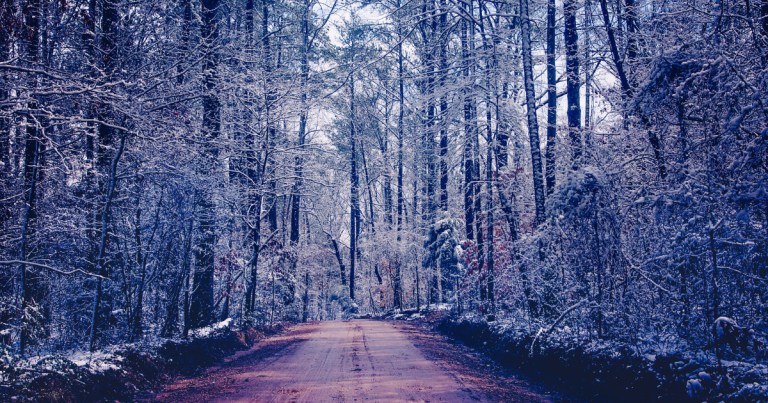
Despite being in a region that often escapes the worst of winter’s wrath, Alabama is still in for an interesting season. The Almanac predicts that temperatures will be near or slightly above average, accompanied by above-normal precipitation rather than major snow accumulations. What this means in practice: expect more rainy days, perhaps some icy mornings or occasional freezing in the far north of the state, but not a season dominated by snow.
2. Ohio

For Ohio, the Almanac is more dramatic. The Ohio winter forecast points toward colder-than-normal winter temperatures, with heavier snowfall, especially in parts of the state that are more snow-prone. The snowiest periods typically occur in mid to late December and again in early February. That means Ohio residents should plan for a winter that could bring significant winter travel, higher heating bills, and more frequent snow/ice events.
3. Wisconsin

Wisconsin’s role in this winter map is interesting: as part of the broader Midwest/Great Lakes zone, it is flagged for more active winter weather. The Almanac highlights the likelihood of multiple snow events and some cold snaps, though exact amounts vary by region and elevation. For those in Wisconsin, this suggests the season may feel more “classic winter” than recent years: more snow to shovel, more chances for ski resorts to capitalize, and more time spent managing winter gear.
4. Nebraska

Nebraska, sitting in the plains and open country, is predicted to experience a slightly different pattern. The Almanac forecasts a winter of mixed conditions, with some cold snaps and perhaps above-normal precipitation in some windows—though snowfall may not be uniformly above average. For Nebraskans, this means staying alert: the open landscape can accentuate wind, drifting snow, and rapid temperature changes. It might not be constant snow, but when it hits, it could hit hard.
5. Oregon

Heading west, Oregon is part of a region the Almanac indicates will see wetter than average winter conditions, particularly in coastal and higher-rainfall zones. The forecast suggests that, although deep, consistent cold may not prevail, frequent storm systems will bring rain and mountain snow. For Oregon residents and visitors, this means paying attention to both winter travel in the mountains (ski resorts, avalanche risk) and the weather implications of persistent storms (flooding, landslides, road closures) rather than only the classic snow-and-blizzard scenario.
6. Pennsylvania

In Pennsylvania, the Almanac’s predictions lean toward a season with above-average snowfall and colder periods, particularly in the mountains and higher elevations, with less extreme but still significant winter conditions in the lower elevations. For planners, homeowners, and travelers, this means that while not every region of the state will be buried in snow, the probability of meaningful snow/ice events is elevated compared to a mild winter. Preparation for winter travel and heating is wise.
7. Texas

Texas is often more accustomed to mild winters, but the Almanac urges caution for the 2025 to 2026 season. The forecast calls for a warmer-than-average overall winter, but with a cautionary note: periodic cold snaps, occasional freezing precipitation (especially in the north), and wetter conditions than might typically be expected. For Texans, this means that while a heavy snow season isn’t guaranteed, there may be more winter surprises than usual.
Practical Tips for Residents
- Check your heating systems early: colder-than-average stretches are more likely in Ohio, Wisconsin, and Pennsylvania.
- Ensure snow-removal gear is ready for high-snow zones (such as Wisconsin and Pennsylvania), and prepare for rain and flood conditions in wetter regions (including Oregon and parts of the South).
- For milder-looking states (Texas, Alabama), don’t discount rare freezing or snow events—they can catch many unprepared.
- If you travel through different regions (i.e., a winter road trip from Texas to Nebraska), expect rapid shifts in weather and pack accordingly.
Plan your own trip this winter with Only In Your State’s itinerary planner.
Subscribe to our newsletter
Get the latest updates and news
Thank you for subscribing!