A Parasitic Bug Has Been Spotted Throughout South Carolina And Its Bite Can Be Deadly
While life here is pretty great, not everything is perfect. Especially when you consider that there are actually deadly bugs in South Carolina. It may sound innocent, but the creepy insect known as the "Kissing Bug," is anything but harmless - and it's been spotted in South Carolina this year. The official name for the Kissing Bug is Triatominae, but this pesky (and deadly) little creature goes by other names as well: vampire bug, assassin bug, kiss of death. You get the idea, right? The Kissing Bug spreads the Chagas disease which can be deadly and you'll want to avoid it at all costs. Here's what you need to know about this deadly creature as well as the signs of a bite from this parasite spreading bug:
Let's look at where they're found.
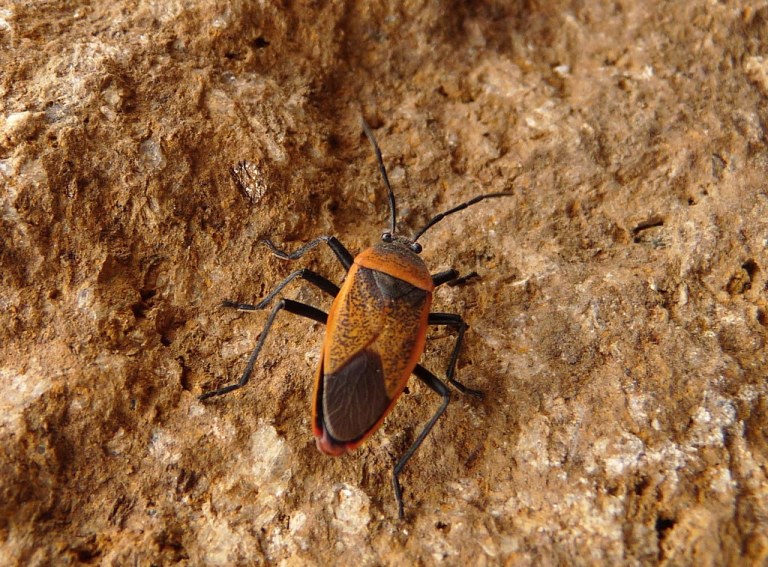
Since they need blood to survive, these poisonous bugs in South Carolina are usually found in places where humans and mammals are. Their keen sense of smell and heat sensitivity guide them to their next host.
There are several species of the Kissing Bug. They all look similar to the three pictured here and can grow up to an inch long.

Three of the most common are seen here. They're marked with orange and black and each has a bit of triangle at the forefront of its long body. Also note the similarities between the long tip on the front of the head. This is their mechanism for burrowing deep into a host to extract blood.
Kissing bugs get their name from their tendency to bite humans on the face, particularly near the mouth - while they are sleeping.

Those affected will awaken with an obvious bite somewhere on the the face. Once the bugs feast, they then have to go to the bathroom. And if a bit of the bug's feces accidentally gets rubbed into the eye, it will become swollen. Likewise, if you rub the new insect bite in the middle of the night and push the excrement into the new bite wound (or any fresh wound), you may become infected.
What are the signs that you've been bitten by a Kissing Bug and subsequently infected?

If you believe you've been bitten the CDC suggests you first look for signs of the bite on or near the face. The swelling of an eyelid may be present in some bite victims, although not all. The swollen eyelid is a sign that the bug's excrement was pushed into the mucous membrane in the eye, thereby allowing the parasite entry into the host body.
Additionally, a doctor may diagnose this parasitic infectious disease by identifying swollen glands and other identifying markers.

So when should you go to the doctor if you suspect you've been bitten by the Vampire Bug, a.k.a. Kissing Bug? Watch for an insect bite. Then, look for symptoms of fever, fatigue, loss of appetite, rash, headache, vomiting, and diarrhea. Because these symptoms can mean any number of things, you will need a doctor for a full diagnosis.
This doesn't mean you should worry about your bed being filled with Kissing Bugs.

When they're not actively feeding, they're commonly found hiding in the crevices of the walls and roof line. When night falls, they emerge and begin looking for their next host. Once bitten, the host is often infected with the parasite that causes Chagas disease, a potentially fatal infection that can be either acute or chronic.
They're also commonly spotted around pet areas.

Even the family dog isn't immune from the parasite transmitted by one of the most deadly bugs in South Carolina.
The Chagas disease has been reported in 28 US states, and South Carolina is one of them.

Here in South Carolina, we could see as many as seven species of the Kissing Bug. Left untreated, Chagas disease can lay dormant in a host for years before displaying symptoms. However, 20-30% of people develop acute symptoms that develop into serious, life-threatening conditions that, if left untreated, may eventually affect the heart (enlarged heart, heart failure, altered heart rate or rhythm, and cardiac arrest), or cause a gastrointestinal complication such as an enlarged esophagus or issues with your colon.
Be sure to keep a close watch on the household and any pet areas for signs of the Kissing Bug. Chagas disease is a result of a bite from this parasite spreading menace and it's no joke. For more information on the Kissing Bug parasite and Chagas disease, check out the CDC website.
While the Kissing Bug is undoubtedly one of the most dangerous natural elements in the state, it's not all you'll need to be cautious of. South Carolina's deadly tornado alley is something you'll want to keep in mind, too!
Subscribe to our newsletter
Get the latest updates and news
Thank you for subscribing!