Straddling The South Carolina-Georgia Border, The Savannah National Wildlife Refuge Is One Of The Most Unique Places You’ll Ever Visit
A paradise of untamed beauty that used to be a rice plantation, the Savannah National Wildlife Refuge covers 31,551 acres of both South Carolina and Georgia, with just over half of the acreage belonging to the latter. The Little Black River, a tributary of the Savannah River, runs along the state border within the refuge and divides it almost exactly along the middle of the majority of it. It’s truly a unique place in South Carolina that you simply must visit to appreciate.
Editor's Note: The Savannah National Wildlife may be temporarily closed, so be sure to check out the official website before visiting.
Interstate 95 passes through the northern portion of the Savannah National Wildlife Refuge, but where you want to enter the refuge to visit is via Highway 17. It is one of the two most-visited refuges out of seven total within the Savannah Coastal Refuges system.
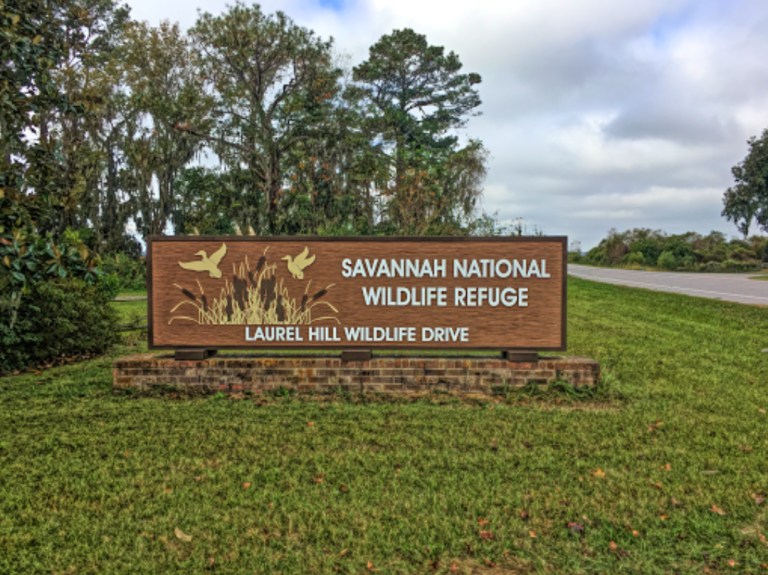
This area of the refuge where you can enter on Highway 17 is where the Visitor's Center is located. Across from the visitor's center is the Beech Hill Pavilion, an amazing learning center just completed in 2020, and there's also a gift shop!

This is the best place to start when visiting. It was created as a wonderful way to encourage and facilitate children getting outdoors to explore!

One of the members of the Friends of the Savannah Coastal Wildlife Refuges, which raised the money to build the facility, President Rick Shields, is a physician who grew up in Ohio tromping around in creeks and pastures with his three siblings, sometimes all day. He knows most kids today play outdoors in a more sanitized way, if they're ever even pulled away from the screens that dominate our culture at all. Richard Louv's work, Last Child in the Woods, addresses the vanishing experience of outdoor play, and it really resonated with Rick.
Although the wildlife refuge can't possibly replicate a Baby Boomer's childhood, it can definitely expose kids to nature and the outdoors. "The idea is about who is going to defend and protect the refuge if people don't grow up with any outdoor experience," Shields said. This learning center is ideal for helping to educate and develop greater interest in order to pass along the responsibility of caring for these beautiful parts of our planet that need to be preserved on to the next generation.
As you follow Highway 17 into the Refuge, the road becomes known as Alligator Alley. You are very likely to see American Alligators during your visit.

It's very important to be mindful of the warning signs, reminders not to feed the alligators, and on the lookout for these creatures especially while walking, as you would not want to get too close. When fed,
alligators lose their healthy fear of humans and become
aggressive and begin expecting food from every person they see, leading to the need for them to be removed. Alligators are an
important part of the refuge's natural environment, so please be respectful and enjoy watching them from a
distance.

One really nice feature of the Savannah National Wildlife Refuge is the four-mile drive along Wildlife Drive, which meanders around the southern portion of the refuge. Tune your radio to
1610 AM for an
interpretive audio tour during your drive.

The landscape scenery you'll enjoy at the refuge is varied, from marshes and wetlands to cypress swamps to forest views. It's a photographer's dream.

Along Wildlife Drive, you'll come to a photo blind location that's a perfect spot for photography.

In addition to alligators, you are likely to see many different types of birds, as the Savannah National Wildlife Refuge was originally established as a sanctuary for migratory birds in 1927, most notably wintering waterfowl.


Perhaps some of the more surprising wildlife you could encounter during your visit would be bobcats! Some
local visitors enjoy coming frequently as the views of nature across the board is different depending on the season. Some trips you may not see as much as others, just depending on a variety of factors.

Raccoons would be another animal you could observe along the way. Throughout the refuge, there are several trails, including Racoon Island Trail, that are well-maintained and paved walkways or boardwalks. Be sure to bring bug spray if you'd like to get out of your car to explore!

In the spring, this beautiful scenery is common on the Kingfisher Loop trail.

All types of blooms abound during spring season, including morning glories and many others.

If you leave the Savannah National Wildlife Refuge on the Georgia side, you'll cross over the Savannah River on Houlihan Bridge. From start to finish, it's such an incredible scenic drive wherever your eyes land. And you may just want to continue on into Savannah, Georgia to try the famous foods we highlighted in the Ultimate Famous Food Road Trip through Georgia!

Visit the Savannah National Wildlife Refuge website for more information, including dates and details for upcoming special events, and to plan your visit. Make it an overnight adventure and extend your enjoyment of the scenic Savannah River!
Where is the most unique place in South Carolina you’ve visited and what’s so special about it? Send in an attraction nomination if you think it should be featured.
Subscribe to our newsletter
Get the latest updates and news
Thank you for subscribing!