Keep Your Eyes Peeled, Thousands of Hummingbirds are Headed Right for Montana During Their Migration This Spring
Hummingbirds migrate to Montana in spring, offering a delightful sight for birdwatchers.
Allow us to brighten your day with some positive news, fellow Montanans. We're about to be "invaded" by precious hummingbirds as they migrate north for the spring. And while they're most prominent in the western half of the state, that doesn't mean you won't see any if you live in eastern Montana. If you're wondering 'when will hummingbirds arrive in Montana?' - we have all the details here! Make sure you prepare for this beautiful onrush by getting a proper hummingbird feeder to greet arriving hummingbirds in Montana.
Hummingbirds embark on two migrations each year, one in the spring and the other in the autumn.
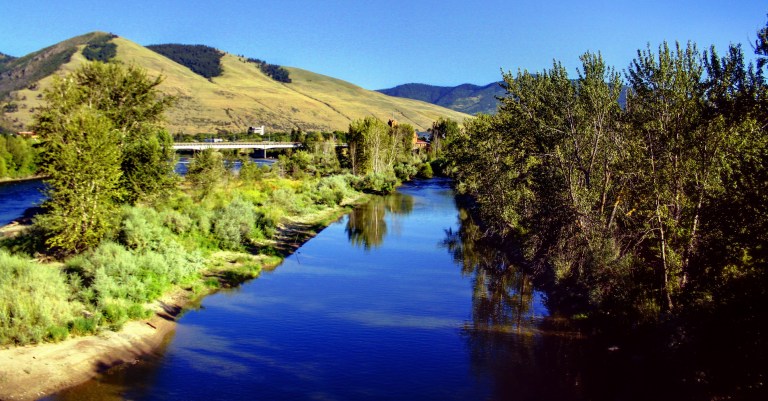
The spring migration tends to start in early April as they make their way up from Mexico and Central America. If you live in Missoula County or the Flathead, you'll probably be the first to see them (and you'll see most of them as well). Lucky you! You can actually watch the 2025 hummingbird migration and watch the map change each day.
Several types of hummingbirds can be spotted in the Treasure State, the most common being the black-chinned hummingbird.

The males usually arrive at the end of April, while the females start showing up a couple of weeks later. They tend to leave by mid-August, so enjoy these beauties while you can. They tend to stay close to the mountains, but you'll find them just about everywhere.
Rufous Hummingbirds show up to breed in mid-May, usually choosing to stick close to the mountains.

If you see one of these in your backyard feeder, watch closely. They tend to be fearless and will chase other birds away. For such a tiny bird, these strong and resilient creatures really pack a powerful punch. They can fly a maximum of 1,300 miles in one go when the occasion calls for it.
These tiny terrors can be so territorial they'll dive-bomb you! I used to refill the feeders for my mother, and she would stay inside and cackle as she watched her only daughter fight off a charm of hummingbirds zipping around. Yes, a group of hummingbirds is called a charm. They aren't that charming when they're trying to chase you away, though. Don't worry; the feeders were always filled.
Other hummingbirds spotted in Montana include the beautiful Calliope hummingbirds in May and the equally striking Anna's hummingbirds.

Anna's are also known to be pretty territorial. Each different kind of hummingbird has a different coloring and plumage, so it's fascinating to watch your feeder and see all the different species that land there.
Due to the warming climate in North America, we may be lucky enough to see hummingbirds more often. They've been migrating earlier due to these balmy temperatures, and some even stay year-round in the United States.
The hummingbird is, by far, the smallest bird on the planet.

They measure two to five inches in length, and their tiny wings beat up to 80 times per second. That's a serious workout! It's no wonder they can cover so much ground at one time.
If you have any red-blossomed, tubular-shaped flowers or bulbs around your home, you're in luck - that's what they tend to prefer. The tubular shape is best designed for the hummingbird's long beak.
However, you'll also see hummingbirds feeding on wax currant, serviceberry, Jacob's ladder, or basically any pink, blue, orange, peach, or purple flower. These are treats for the hummingbirds and also for your eyes—a garden win-win!

DIY hummingbird nectar is fairly simple to create and make for a fun family project. You probably have the ingredients in your kitchen!
You can make your own nectar using one part of table sugar and four parts of boiled water. Let it cool before you pour it into the feeders. It will keep in the fridge for up to two weeks. Don't add any artificial dyes or other additives to the nectar; you want to keep it as close as possible to its natural food source. Experts suggest that the red dye we've traditionally been using may be causing more harm than good. Instead, use a bright-colored feeder to attract the hummingbirds' attention. Spring and summer are the best times to leave out hummingbird feeders in Montana. Of course, if you have bears that frequent your area, you will have to use your discretion when putting up feeders.
Share this article with your favorite bird nerd and start browsing hummingbird feeders online. Some of them look like works of art! For more springtime magic, head out on one of the eight best spring hiking trails in Montana.
Subscribe to our newsletter
Get the latest updates and news
Thank you for subscribing!