Skip the Crowds at Glacier National Park: 5 Underrated Montana Spots to Visit Instead
For travelers willing to go beyond the obvious, Montana rewards curiosity. And in my experience, the places you'll remember most aren’t the ones from the postcards.
Glacier National Park has long been one of America's most treasured national parks, enticing visitors with turquoise lakes, glacier-carved valleys, wildlife, and iconic Going-to-the-Sun Road. But as visitation has exploded, travelers increasingly discover a different side of the experience in peak season: no parking or shuttle space, crowded trails, sold-out (within seconds) campsites, bumper-to-bumper traffic, and more frequent negative wildlife encounters.
That reality is part of why Glacier recently appeared on Fodor's 2026 No List, highlighting destinations facing increasing tourism pressure. Glacier recorded its second- and third-busiest years in 2024 and 2025. The Fodor’s designation isn't a reason to avoid Montana, or even Glacier, altogether. Instead, it's an invitation to explore more thoughtfully.
After spending many years exploring Montana's backroads, mountain trails, and small towns (and yes, Glacier too), I've learned that some of the state's most memorable places exist beyond park boundaries. From vast alpine wilderness to thundering waterfalls and one of the most spectacular drives in North America, these Glacier National Park alternatives offer the scenery travelers crave without the crowds.
Why Travelers Are Rethinking Glacier National Park
Glacier welcomes roughly three million visitors annually, the overwhelming majority between June and August. During peak season, lodging books months in advance and parking at popular trailheads becomes near impossible after sunrise.
The first time I visited in July, I spent nearly as much time looking for parking as I did on the trail. The views were spectacular, but the added stress and tension diminished the experience.
The good news? Montana's beauty doesn't confine itself to Glacier's boundaries. Some of the state's most extraordinary landscapes remain remarkably overlooked.
1. Flathead Lake and Its Storybook Small Towns
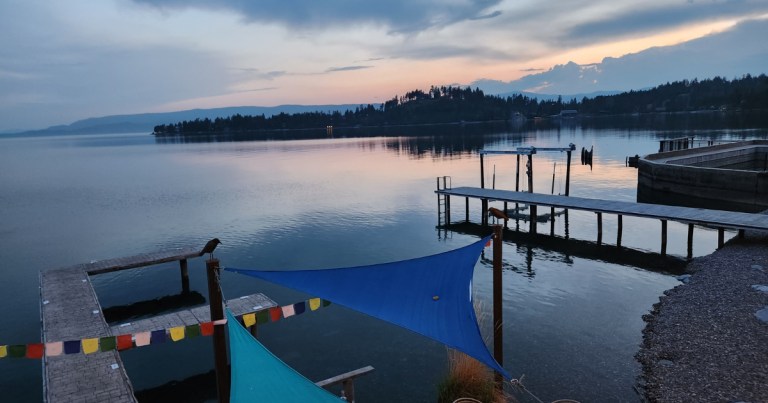
Covering nearly 200 square miles, Flathead Lake is the largest natural freshwater lake west of the Mississippi. Yet despite its size and almost shocking clarity, Glacier being close by means it’s largely overshadowed.
Charming communities like Lakeside, Bigfork, and Polson dot the shore, each offering a slower pace and easy access to the water. On summer mornings, the lake sits glassy and still beneath the Mission Mountains, while evenings bring some of the most colorful sunsets you'll find.
Kayaking, paddleboarding, fishing, sailing, and swimming are all popular. Several Montana state parks, including Somers Beach and Big Arm, have sandy or pebble beaches. During cherry season (July and August), roadside fruit stands and u-pick farms add another local experience.
2. Jewel Basin Feels Like Glacier Without the Crowds
If your favorite part of Glacier is hiking “on top of the world” among alpine lakes and wildflower-filled meadows, Jewel Basin may be the perfect substitute.
In the Swan Range just east of Kalispell, this area contains over two dozen alpine lakes connected by a network of underrated Montana hikes that receive only a fraction of Glacier's crowds. Many trails, like Mount Aeneas, climb through dense forest before emerging into high-elevation basins where crystal-clear lakes reflect surrounding peaks, reminiscent of Glacier's famous Highline Trail. Arriving early still helps, especially on summer weekends, but parking and trail congestion are far less intense.
3. Beartooth Highway is America's Most Scenic Drive

Stretching 68 miles between Red Lodge, Montana, and the northeast entrance of Yellowstone, the Beartooth Highway has earned a reputation as one of North America’s most spectacular roads. It climbs over 5,000 feet in 12 miles, making a dramatic crescendo at Beartooth Pass—10,947 feet. Around every curve and switchback, through jagged peaks and countless lakes, the scenery becomes even more beautiful.
As unforgettable as the views are, that’s not what makes this drive a standout. It's the feeling of traveling through a landscape that seems almost too wild to exist. Even in August, patches of snow and ice linger beside the road and moose or mountain goat sightings are not at all uncommon.
Here, the journey is the destination. Stop often and take it all in. Cooke City and Red Lodge bookend the route, and while both have gas stations and a few restaurants, there’s not much of anything between them in terms of services. Beartooth Highway is typically open from Memorial Day through early to mid-October.
4. Bob Marshall Wilderness Offers True Solitude

For travelers seeking true remoteness, few places compare to the Bob Marshall Wilderness. Spanning over one million acres, this vast protected landscape contains rugged mountains, river valleys, dense forest, and some of the most pristine backcountry in the Lower 48. Most areas here can only be reached on foot, horseback, or by raft. One of The Bob’s most famous landmarks is the Chinese Wall, a dramatic limestone escarpment stretching 22 miles across the wilderness. Reaching it, like many of its other destinations, requires a multi-day backpacking or guided pack trip with an outfitter like Mills Wilderness Adventures.
The Bob isn't for casual sightseeing. It requires extensive planning and respect for wilderness travel. But for those willing to put in the effort, it offers something increasingly rare: solitude and a genuine sense of discovery.
5. Western Montana's Trails Without the Crowds

One of the easiest ways to avoid Glacier’s crowds is to broaden your hiking horizons. Western Montana is packed with lesser-known trails of all lengths and difficulties, delivering tremendous vistas, waterfalls, alpine lakes, and wildlife spotting opportunities. Some routes see only a handful of hikers even during peak summer weekends.
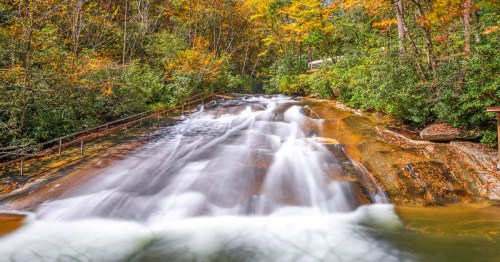
Some of my favorite waterfall trails include (there are a bunch!) Pine Creek Falls just outside Livingston, Grotto Falls near Bozeman, Kootenai Falls, Ousel Falls in Big Sky, and Holland Falls, not far from Flathead Lake. These are all fantastic, relatively easy scenic Montana hikes. If you want something more challenging, 11.6-mile Black Mountain and 25-mile Blodgett Canyon are some of the best hikes in Montana for a full-day adventure.
How to Visit Glacier More Responsibly (If You Still Go)
Again, we aren’t suggesting that travelers skip Glacier entirely. The park remains one of America's great landscapes. Instead, consider ways to minimize your impact while there. Visiting during shoulder seasons like May and October, arriving extra early or late in the day (think pre-sunrise and late afternoon), and hiking or paddling over scenic driving ease pressure on the park's busiest corridors.
Booking a guided experience with Blackfeet-owned Sun Tours is one of the most meaningful ways to learn about the region, offering Indigenous perspectives and supporting local communities.
A Better Way to Experience Montana

The conversation around overtourism isn't about avoiding Glacier National Park. It's about recognizing that Montana's beauty extends far beyond it. Some of my favorite Montana memories have happened far from Glacier's famous viewpoints: island-hopping on Flathead Lake in kayaks, audibly gasping at curves on the Beartooth Highway, hiking in Jewel Basin without seeing another person.
For travelers willing to go beyond the obvious, Montana rewards curiosity. And in my experience, the places you'll remember most aren’t the ones from the postcards—even a beautiful, bucket-list-worthy national park like Glacier! From lush wilderness and charming small towns and one of the most scenic drives in the US, these Glacier National Park alternatives are all worth adding to your adventure bucket list.
Subscribe to our newsletter
Get the latest updates and news
Thank you for subscribing!