Beehive Basin Trail Sounds Intimidating, But It’s One of the Best Hikes in Montana
Don't let the rugged name fool you. Beehive Basin Trail rewards hikers with wildflower meadows, alpine lakes, and sweeping mountain views, making it one of Montana's most unforgettable day hikes.
The first time you hear the name Beehive Basin Trail, you might assume it's a steep backcountry route or a hike where you'll spend the day dodging buzzing insects. Neither turns out to be true. Just a few miles from Big Sky, this well-loved trail winds through forests, climbs into expansive alpine meadows, and ends at a glacial lake surrounded by towering peaks.
It's the kind of hike that surprises visitors, not because it's easy, but because the scenery far exceeds what its unassuming name suggests. For many locals and seasoned hikers, Beehive Basin is one of the best hikes in Montana, offering a classic Rocky Mountain landscape without requiring technical climbing skills.
Why Is It Called Beehive Basin Trail?
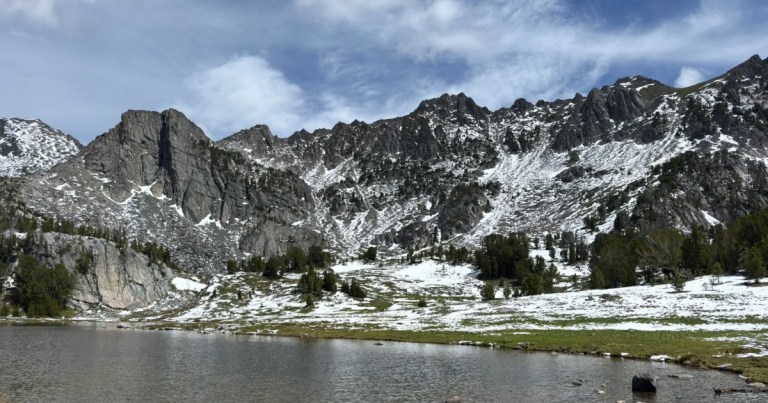
The trail's name comes from the broad alpine basin at its destination rather than anything hikers encounter along the route. Early explorers are believed to have named the area after the basin's rounded shape, which resembled a traditional beehive.
Visitors hoping to spot swarms of bees may leave disappointed, but they'll find something even better. During the summer months, the basin fills with colorful wildflowers, while the surrounding mountains create a dramatic backdrop that changes with the light throughout the day.
What the Hike Is Actually Like

Beehive Basin Trail stretches about 6.5 miles round trip and climbs roughly 1,500 feet in elevation. While the steady ascent will get your heart pumping, the trail is well maintained and manageable for hikers with a moderate fitness level.
The journey begins beneath tall evergreens before gradually opening into wide alpine meadows. As the elevation increases, the views become more expansive, revealing rugged peaks, seasonal snowfields, and meandering streams that feed the basin below.
The destination is an alpine lake tucked beneath the surrounding mountains. On calm mornings, the water reflects the skyline with remarkable clarity, making it a favorite spot for photographers and anyone looking to enjoy a quiet break before heading back down the trail.
What To Know Before You Go

Beehive Basin Trail is typically accessible from late June through early fall, although snowpack can delay the start of the hiking season in some years. The trailhead is a short drive from Big Sky and includes a parking area that often fills early during peak summer weekends. There are no services once you leave the trailhead, so carrying plenty of water, snacks, and extra layers is essential. Mountain weather can shift quickly, and afternoon thunderstorms are common during the warmer months.
Because the trail runs through bear habitat, hikers should carry bear spray, hike in groups when possible, and stay alert to their surroundings. Staying on designated trails also helps preserve the fragile alpine vegetation that makes this hike so distinctive.
Is Beehive Basin Trail Worth Hiking?
Beehive Basin Trail earns its reputation through the experience itself. From forested switchbacks and blooming wildflower meadows to an alpine lake framed by rugged Montana peaks, every section of the trail offers something different.
If you're exploring the Big Sky region and want a hike that captures the beauty of southwest Montana without venturing deep into the backcountry, Beehive Basin is hard to beat. You may arrive wondering about the unusual name, but you'll leave remembering the mountain views long after the hike is over.
Subscribe to our newsletter
Get the latest updates and news
Thank you for subscribing!