The Hidden Legend in New York That People Still Seek Out to This Day
Whispers of this enduring New York mystery have echoed for generations, drawing curious visitors eager to uncover the truth behind the legend.
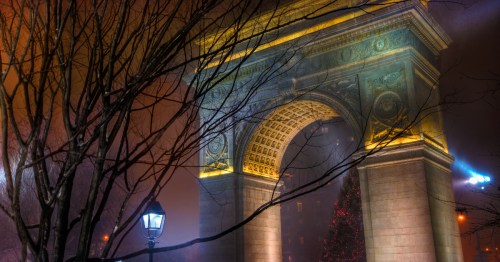
The lore surrounding a hidden attraction is something I am immediately drawn to when exploring a new city or town. There's just something about the mysterious past of a legendary place that always reels me in and has me scouring the internet for more information. Old legends exist even in everyday places we visit or pass by regularly, and we often don’t learn the fascinating history of these spots until someone lets us in on their secrets. Take, for example, New York City's iconic Washington Square Park, the site of one of the most hidden legends in New York.
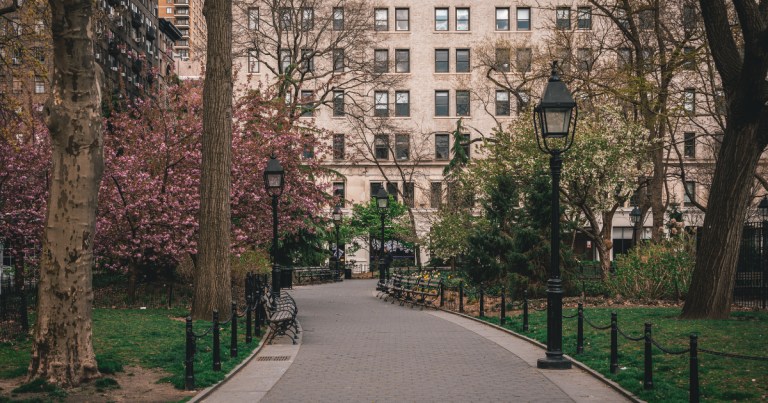
If you have ever been to Greenwich Village, chances are that you have taken a stroll through lovely Washington Square Park. In fact, over 12 million people visit this popular urban oasis each year. Many come to see the 32,000-gallon cascading fountain, the famous marble Washington Square Arch, or the gorgeous Kwanzan cherry blossoms that bloom here in late spring. Still others come to play a friendly game of chess at one of the park’s concrete tables. But long before the park was an iconic landmark, this land served a different purpose, and this is where the legend begins.
The Story Behind This Hidden Legend
The 9.75-acre grassy area was used for several different purposes before 1827, when it was transformed into a public gathering space. In the early 1800s, it was actually the site of a mass burial ground where up to 20,000 bodies may have been buried. Many of the dead were criminals or indigent citizens of the city who succumbed to illnesses such as yellow fever and cholera. Members of nearby churches were also interned here.
Why People Still Visit Today

Most people seek out Washington Square Park as a peaceful retreat from the busy New York City streets. However, legend-hunters are drawn here in hopes of experiencing some of the paranormal activity reported by prior visitors. If this is the purpose of your visit, there are a few key sites within the park that you may want to focus on.
What You’ll Find When You Go
The first is the area around the fountain. Executions may have taken place at gallows that once stood here. The ghost of a crying woman dressed in black has been seen roaming this area. Some speculate that she may be searching for her buried child who died of yellow fever.

If you head over to the northwest corner of the park, you will find a large English Elm. This 350-year-old tree is the oldest in Manhattan. It is also known as the “ Hangman’s Elm." Rumor has it that the tree was once used for public hangings. Although this theory is largely believed to be an urban myth, you may still want to be on the lookout for spooky figures swaying from the elm's branches.
And the eerie activity is not limited to these two places. There have also been reports of unexplained children's laughter, cold spots, and ghostly apparitions in other areas of the park. A tattered, uniformed soldier, an enslaved woman executed for arson, and a Quaker woman named Leah (who guards the grounds from bodysnatchers) are just some of the spirits that you may encounter during your visit.

What to Know Before You Go
Washington Square Park may be known as one of the most haunted places in New York City, but it is really a beautiful spot to visit anytime, as the various species of flowers and trees give way to an ever-changing view throughout the seasons. While you are here, be sure to stop to watch the street performers or take time to play a game of chess with a new friend.
You can find out more about this scenic, urban park at the New York City Department of Parks & Recreation website and the New York City Department of Parks & Recreation Facebook page. If you are looking for some unusual things to do in the city, here are several unique places in New York worth checking out.
Subscribe to our newsletter
Get the latest updates and news
Thank you for subscribing!