NC Has 3 Airports in the Rankings—$110 Separates Cheapest From Priciest
Asheville Regional ranked 17th nationally at $335.31. Charlotte Douglas ranked 90th at $445.92. Raleigh-Durham sits in between at $351.86, ranking 22nd. Where you fly from matters a lot in North Carolina.
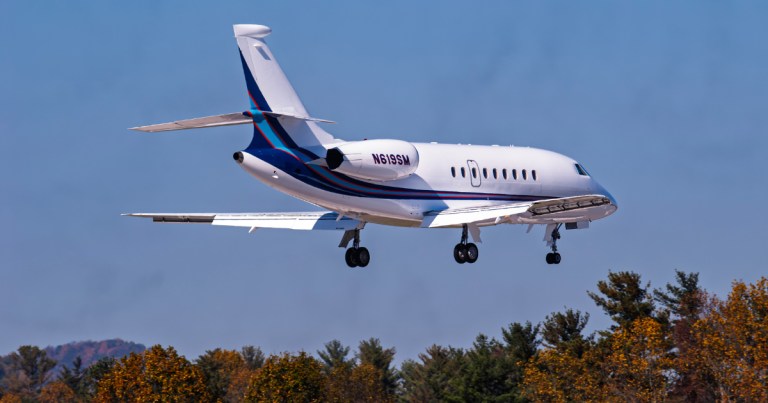
North Carolina has three airports in the national top 100 for passenger volume, and the spread between them is one of the widest of any state in the country. Only In Your State analyzed recently released Bureau of Transportation Statistics data, and the difference between North Carolina's cheapest and most expensive departure airport is $110.61 per ticket.
Asheville Regional Airport (AVL) ranked 17th most affordable nationally in 2025, with an average domestic fare of $335.31—$51.69 below the national average of $387. Asheville is one of the better-value departure airports in the Southeast.
Raleigh-Durham: A Strong Option for the Triangle
Raleigh-Durham International Airport (RDU) averaged $351.86 in 2025, ranking 22nd most affordable nationally—$35.14 below the national average. For the Research Triangle's large and growing population, RDU represents a genuine airfare advantage over most comparable metros.
RDU ranked 30th nationally by passenger volume—a mid-to-large market with strong carrier competition and a broad route network. The combination of solid traffic and below-average fares makes it one of the Southeast's better-positioned airports for travelers on a budget.
Charlotte's Hub Premium
Charlotte Douglas International Airport (CLT) averaged $445.92 in 2025, ranking 90th nationally—$58.92 above the national average and $110.61 more per ticket than Asheville. Charlotte ranks among the top 10 busiest airports in the country by passenger volume, serving as a massive fortress hub for American Airlines.
Hub airports frequently carry higher average fares than regional airports, and Charlotte is a clear example of that dynamic. The connecting traffic that flows through CLT supports pricing that isn't primarily determined by the fares local travelers pay.
For Charlotte-area residents, the hub premium is largely unavoidable—CLT's route network is extensive, but the prices reflect it. For travelers in western North Carolina near Asheville, AVL's 17th-place national ranking is one of the state's most underappreciated travel advantages.
For North Carolina travelers, this $110 price disparity underscores how much airport choice impacts travel costs. While Charlotte offers unmatched nonstop connectivity across domestic and international routes, local passengers often pay a high price for that convenience. By contrast, regional airports like Asheville leverage low-cost carriers to keep average fares down, making them attractive alternatives for budget-conscious leisure travelers willing to make a short drive.
Triangle-area travelers enjoy a solid middle ground at Raleigh-Durham, where carrier competition helps keep fares well below the national average without sacrificing a robust route selection. Depending on your destination and flexibility, comparing departure options across these three hubs—or even taking a short drive to an adjacent NC airport—can save families hundreds of dollars per trip.
This data reflects 2025 averages from the Department of Transportation, released in May 2026. Knowing how to find cheap flights can help travelers at any of North Carolina's three airports find value beyond the averages.
To get the most from your next departure, explore how to find cheap flights and unexpected ways to cut travel costs to help stretch your budget further.
To see how every major airport in the country compares—plus the full methodology behind the data—explore the complete U.S. Airport Cost Rankings for 2026.
Subscribe to our newsletter
Get the latest updates and news
Thank you for subscribing!