Huge Things Actually Happened In These 5 Small Towns Near Cleveland
I love whipping out fun facts about Greater Cleveland and the surrounding communities. So much has happened here that it's almost unbelievable! Famous outlaw Charles “Pretty Boy” Floyd met his end about two hours away from The Land. Cleveland was the first city lit by street lamps, and modern windshield wipers were born here. Oddly, that's just scratching the surface of remarkable things that took shape right here in The Buckeye State. Places like Viator offer guided history tours of our area, and there's simply so much to learn. In towns that were once small and rural, huge things were happening at unexpected times. Today, we're going to take a trip through time to explore some of the most incredible and unbelievable moments that history doesn't always mention.
1. One Bay Village couple made true crime history in 1954.
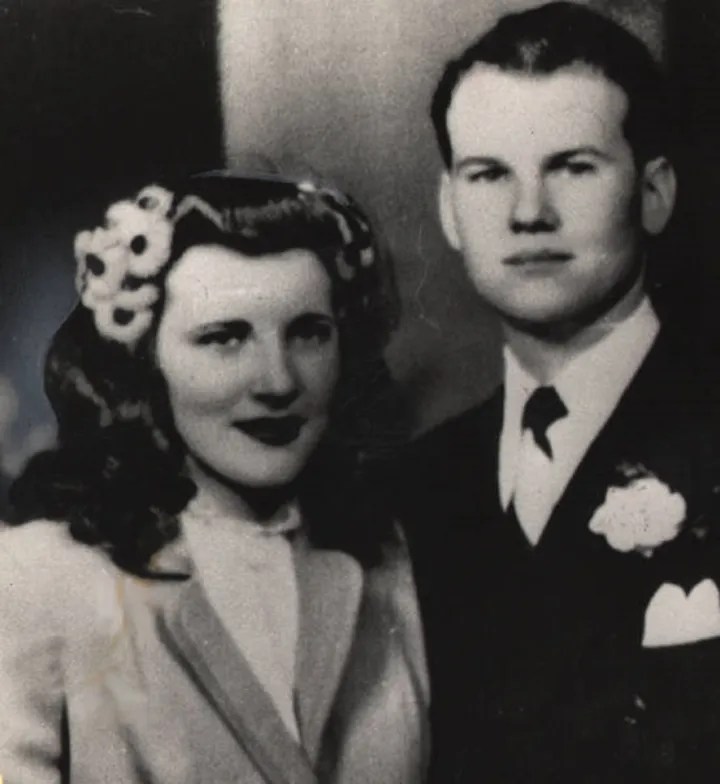
The fascination with true crime may seem like a modern trend, but people have been following big cases for decades. Here in Northeast Ohio, eyes were glued to screens and newspapers in regards to the Sam Sheppard case. Dr. Samuel Holmes Sheppard had married Marilyn Reese in 1945 after the two fell in love at Cleveland Heights High School. Not even a decade later, Sheppard was convicted for the murder of his wife. He was, according to his story, knocked unconscious when she died. Their slumbering son, Chip, wasn't remotely disturbed during the incident, and the family dog purportedly didn't even bark. But Sheppard did have injuries that corroborated his story, so his conviction was ultimately overturned after a ten-year sentence. This story is full of twists and turns, and it has inspired countless plots for TV shows like "Law & Order," and a movie was even made to immortalize this odd and fascinating case. This was truly one of those early moments when crime sent the media into a frenzy, making it pretty evident how we've landed in this area of true crime fascination.
2. Bleeding Kansas took shape in Hudson, Ohio.

I know, you're probably thinking... this one sounds like a stretch. But John Brown, a famous abolitionist who was at the forefront of moving abolitionists to Kansas in the hopes of making it a free state (and, yes, he was also the "Raid on Harpers Ferry" guy), once had a tannery in Hudson, Ohio. Believe it or not, he employed Jesse Grant, the father of President Ulysses S. Grant. If you keep digging further, Brown had roots in various aspects of 19th century politics, but much of it started right here in Northeast Ohio.
3. A little Northeast Ohio town meddled in one big war.

Oberlin, Ohio, is one of my favorite historical hubs near Cleveland. In addition to being rich in history and full of tour-friendly landmarks, this community has a surprising connection to the Civil War. By 1835, Oberlin was home to abolitionists who fought for equality, and they started by shaping an equal community amidst a repressive era. Black and female students were welcome at the local university at a time when neither group was offered such opportunities, both could start businesses, and the town ultimately became a coveted stop on the Underground Railroad. After all, Oberlin was what freedom looked like. However, the passionate locals just couldn't keep their utopia out of the news... due mostly, of course, to those aforementioned passions.
The famed Oberlin–Wellington Rescue followed the capture of a runaway slave, John Price, in Oberlin. The slavecatcher only got as far as Wellington before an estimated 600 Oberlin natives caught up. Locals pulled John through the window, took him home to Oberlin, and eventually helped him make his way to Canada. In 1858, those rescuers were indicted for violating the Fugitive Slave Law of 1850. Public opinion was in favor of the rescuers, and locals protested around Cleveland Public Square on their behalf. Eventually, the case was dropped, but the news spread so quickly that it's truly no surprise how Cleveland came to be known as "Hope" on the Underground Railroad.
4. The telephone came to Ohio in 1877.

Century Village Museum in Burton, Ohio preserves the legacy of one petite rural community in Northeast Ohio. However, one of the biggest innovations in this petite community is actually a rather simple concept: the first telephone came to Ohio.
This early phone line stretched just two and a half miles, connecting the depot and the bank and vice versa. The Burton Telephone Co. emerged to manage these and future lines, and eventually, the small town telephone company was bought and controlled by the Ohio Bell Telephone Co. Believe it or not, that company still exists, though it's now known as AT&T Ohio.
5. Man's first flight was first recorded.

We all know the story of how Orville and Wilbur Wright successfully completed the first flight of an engine-powered aircraft in 1903. It happened near Kitty Hawk, North Carolina, though the brothers ran a bicycle shop in Dayton, Ohio. While Wilbur seems to have drawn up the initial plans for their early planes, the brothers worked closely together and presented their success as something wholly shared.
Interestingly, this historic flight wasn't all over the news. Not at first, at least. The very first publication to report on the Wright Brothers' success was Gleanings In Bee Culture, a periodical penned and published by Medina resident Amos Ives Root. He was a personal friend of the brothers, and he recognized the importance of their scientific milestone. Today, Root's legacy lives on in Root Candles, his historic factory that still operates in Medina.
These fun facts about Greater Cleveland are so wild they verge on unbelievable, proving yet again that truth truly is stranger than fiction. Which of these historic happenings in Cleveland surprised you the most? Share your thoughts in the comments!
Love learning about Cleveland? Dig into more moments that history forgot for more Greater Cleveland fun facts.
Subscribe to our newsletter
Get the latest updates and news
Thank you for subscribing!