We Bet You Didn’t Know That New Hampshire Was Once Called North Virginia
As the region's name might suggest, many places in New England are named after similar locations or famous figures from across the pond. Some of these place names have remained the same over time while others have evolved as history ran its course. For a short time before New Hampshire adopted its current name, it took inspiration from another U.S. state.
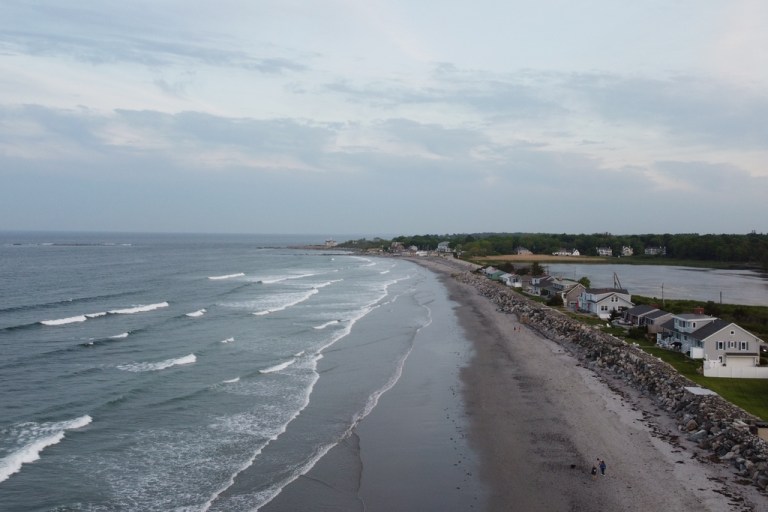
Early history states that in 1623, a fishing colony was established at the mouth of the Piscataqua River. Originally known as Little Harbor or "Pannaway," this area is the current town of Rye.
What was early New Hampshire was governed by its neighbors to the south, the Massachusetts Bay Colony.

Later, a visit from Captain John Smith (who was originally from England and later lived in Virginia) left him inspired by the scenic charm of the shores and countryside.

Smith bestowed the name "North Virginia" upon the area, but he was later overruled by King James, who declared it "New England." The state's current name was then derived from the English county of Hampshire.

A map based on Smith's voyage along the coast first used the name "New England" instead of the previous "North Virginia" moniker.

In 1788, New Hampshire was finally admitted into the union and became the 9th U.S. state, with Concord being named the official state capital in 1808.

Because of its long and storied place in U.S. history, New Hampshire's past still has plenty of fascinating stories to tell. Here are four living history museums to visit where you can learn more.
Subscribe to our newsletter
Get the latest updates and news
Thank you for subscribing!