These 12 Candid Photos Show What Life Was Like In Kentucky In The 1920s
Photos from the 1920s capture the enduring spirit and cultural heritage of Kentucky.
The Bluegrass State has a fascinating history. A Southern state through and through, there are certain things that are an inextricable part of Kentucky culture: horses, bourbon, fried chicken, and scenic splendor as deep and grand as our superlative caverns and waterfalls. While the world has changed so much in the last 100 years, these places and values form the fabric of Kentucky, and remain as strong as ever today. We're feeling nostalgic, so we thought we'd share some photos of Kentucky from the 1920s that capture the spirit of that pivotal decade.
You can't take about Kentucky history without discussing horse racing.

The Kentucky Derby is as iconic as it gets. Established in 1875, the Derby is basically a holiday in the Bluegrass State.

The Roaring Twenties were monumental for the Derby. 1920, American Thoroughbred Paul Johns was crowned the winner in a thrilling, nail-biter of a race.
Paul Jones was foaled in the same year as Man o' War, winner of the 1920 Preakness and Belmont Stakes, and one of the most influential sires and famous figures in Kentucky history.

Pictured here is Man o' War with trainer J. Bryan Martin.
Another favorite Kentucky pastime is baseball. Although Kentucky doesn't have its own major league team, the sport is beloved in the Bluegrass. Pictured here is a youth baseball team from Harrodsburg, Kentucky.

Kentucky has a long and storied mining history. During the early 1900s, coal mining in the Bluegrass State was booming. It was a difficult and dangerous job, with miners spending their days deep underground.

Pictured here is a Kentucky coal miner in Jenkins, Kentucky.
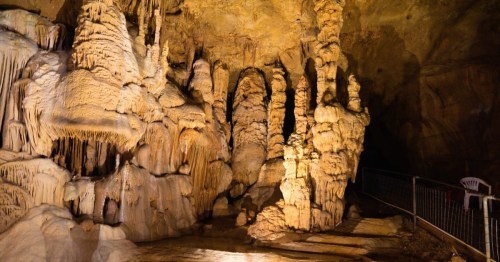
And it's impossible to talk about caves in Kentucky without addressing the mammoth in the room: Mammoth Cave.

The park opened July 1, 1941, but the photograph here is from much earlier. This photograph was taken during the teens, when Mammoth Cave housed the first tuberculosis "Consumptive's Room" in the country.
The early 1900s were a time of monumental changes across America; the industrial, social, and political events in this time period were profound.

In the late teens, the women's suffrage movement was strong in Kentucky. After Congress passed the 19th Amendment in 1919, Bluegrass suffragettes were proud to watch Governor Edwin P. Morrow sign Kentucky's ratification of the Nineteenth Amendment in 1920.
Kentucky is a state where the small towns are just as important as the big cities. Columbus, Kentucky, is one of the state's most charming and historic small towns.

Columbus is the oldest town in the Jackson Purchase, the American westward expansion that purchased thousands of acres from Paducah to Memphis from the Chickasaw Nation. Today, it's a wonderful place to visit both for its rich history and its beautiful scenery.
The small-town folks in Kentucky have always been as hard-working and down-to-earth as it gets, too.

Photographed here is a family in Caldwell County circa 1920.
Another small-town gem in Kentucky, Rabbit Hash is home to the state's oldest general store.

Located in what's been called the most beautiful town in America, My Old Kentucky Home is one of the state's most recognizable historic landmarks.

Here, folks are entering the kitchen wing of Federal Mansion, which is now known as "My Old Kentucky Home" for its connection with American composer Stephen Foster's anti-slavery ballad of the same name.
One of the most historic and well-known places in the Bluegrass State, the Brown Hotel opened in 1923, and quickly became the city's business and social center, bringing a new energy to downtown Louisville.

It's also home to the acclaimed Kentucky Hot Brown, a hot, cheesy, open-faced turkey sandwich. This is one relic from the 1920s that's absolutely stood the test of time!
Did you enjoy perusing these photos of Kentucky in the 1920s? While a lot has changed, the heart and soul of the Bluegrass State has only grown bigger and better in the last 100 years.
Subscribe to our newsletter
Get the latest updates and news
Thank you for subscribing!