The Apalachicola Oyster Was Discovered Here In Florida, And You Likely Won’t Find Them Until 2025
Apalachicola Bay, once known for its high-quality oysters, has halted oyster harvesting until 2025 to allow the population to recover.
Anyone who has visited the quaint panhandle town of Apalachicola in the past few decades likely knows the story behind the famed oysters harvested here. Oysters were Apalachicola's first seafood industry, sold locally as early as 1836. In fact, it was said that ninety percent of the state’s oysters and ten percent of the nation’s oysters came from Apalachicola Bay! However, due to the dwindling oyster population, oyster harvesting in the bay has been shut down through the end of 2025. Here is everything you need to know about the Apalachicola oyster and its history in Florida.
Nestled within the Florida panhandle is a shallow, thirty-mile stretch of Apalachicola Bay that has been an oyster paradise since the 1800s.
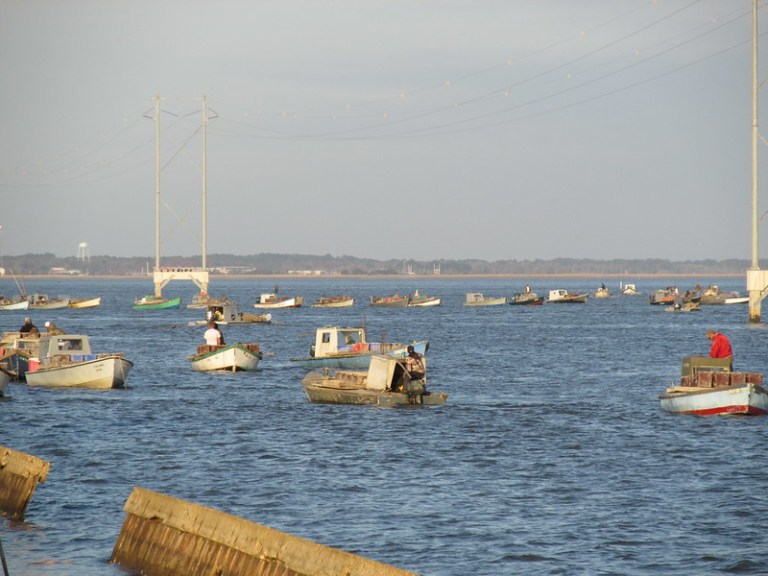
Apalachicola oysters were discovered in this area over a century ago, quickly gaining traction as one of the most delicious, high-quality oysters in the country. This was the place where most of Florida’s oysters were harvested - which is why Apalachicola gained the nickname - the oyster capital of the world.

What has been considered a delicacy on the half-shell, Apalachicola at one time accounted for ninety percent of the oyster harvest in the entire state. However, these gems of the sea are extremely hard to find on any Florida menu today.

After years of drought in the area, plus a dwindling oyster population and devastated beds, the Florida Fish and Wildlife Conservation Commission unanimously voted to shut down oyster harvesting until the end of 2025. The plan for this shutdown, which began in 2020, was to allow five years for wild oyster reefs to regenerate.

Florida’s fishermen and local harvesters were left reeling from the decision, noting that the industry won’t be able to recover after something like this. However, backed by many environmental groups, the shutdown has been said to have been difficult, but best for the maintenance of these reefs.

While the wild oyster fishery in Apalachicola Bay crashed back in 2012, there is still hope that it can recover with time. Not only has good rain in the past few years helped the drought conditions, but also repurposing shells back into the habitat has helped as well.

Hoping that being left alone with favorable climate conditions, Apalachicola oysters can have a chance of being both respected and enjoyed by Floridians down the road.

Did you know the history behind the Apalachicola oyster in Florida? If you have your own thoughts about the discovery or the harvest ban, make sure to shout it out in the comments section!
Also, it isn't just the oysters that other states should be grateful for Florida discovering. Check out more reasons why everyone should be thankful for Florida.
Subscribe to our newsletter
Get the latest updates and news
Thank you for subscribing!