There’s A Deadly Plant Growing In Florida Yards That Looks Like A Harmless Flower
Oleander, a beautiful yet toxic plant, poses significant health risks to humans and animals in Florida.
The oleander plant in Florida is an example of how fascinating plants are, each holding a vast array of chemical compounds within them with unique qualities. That might be why I have so many plants in my house. It isn’t just natural beauty and aesthetics; plants are multifaceted and sometimes toxic. Plants use these toxic compounds to fend off pesky plant-munching insects, shield themselves from microbial infections, and even create barriers between injured and healthy tissues. It’s like they have their own little armor to protect themselves.
While we can all be mesmerized by both the inside and outside of plants, we still need to take extra care, especially in the sunshine state of Florida. There is a deadly plant growing in Florida known as oleander that, from the outside, looks like a gorgeous flower. But animals and humans must take heed of the toxic oleander in Florida. Read on to find out more about these deadly plants.
Beware, for lurking in the shadows is the enigmatic oleander in Florida (nerium oleander), also known as rose bay. This insidious plant has origins stretching from the Mediterranean region all the way to India and southern China.
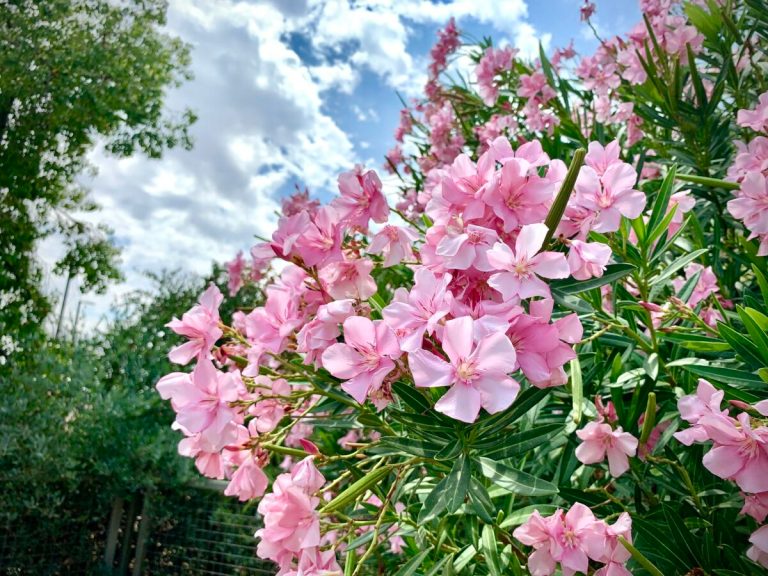
However, if you’re living in Florida, there is so much more to this plant than meets the eye, and anyone with small children and animals needs to know.
Some wonder: Is oleander invasive in Florida? This beautiful flower holds a dark allure, despite its natural beauty. But the oleander flower has family ties to frangipani and milkweed.

The poison of the oleander flower is due to the presence of cardiotoxic compounds found in all parts of the plant, including the flowers, leaves, and stems.
These compounds impact heart function, posing a threat to humans and animals. Ingesting or inhaling any part of the oleander can lead to symptoms ranging from nausea, vomiting, and dizziness to potentially fatal effects like irregular heartbeats and cardiac arrest.

The plant's toxicity is a natural defense mechanism, deterring herbivores and ensuring its survival in the wild. It's a beautiful yet dangerous flower that requires caution and respect.
Within the heart of the Sunshine State, oleander thrives as an evergreen flowering shrub, unfazed by scorching heat and relentless drought.

Be aware of different color variations of the flower - pink, red, white, and even yellow or orange. But don’t let the beauty of the color fool you.
Poisoning can come in two forms - acute or chronic. In acute poisoning, there's a single exposure to a toxin, which leads to rapid absorption and symptoms that can be sudden and intense.

But don't worry, they are often reversible.
On the other hand, chronic poisoning happens from repeated exposure over days, months, or years. Here's the good news. Symptoms in chronic cases may not show up right away, giving you some time to notice and address them.

Just make sure to be mindful in your yard, and if you think you have oleander growing, be cautious.
The oleander plant in Florida is dangerous. Have you ever seen this toxic plant in your yard? Sound off in the comments section below! Read about other poisonous plants you might be cautious about.
For more interesting facts about the Sunshine State, check out these things you didn't know about Florida.
https://www.onlyinyourstate.com/florida/facts-fl/
Or why not get out and explore the state by venturing out on an amazing scavenger hunt in Florida? You’ll learn tons of Florida facts, and they’re a great activity for the entire family, especially when the weather is nice outside.
Subscribe to our newsletter
Get the latest updates and news
Thank you for subscribing!