Five Different Planets Will Align In The Washington Night Sky During An Incredibly Rare Display
Have you looked up at the Washington night sky lately? If not, you’ll want to change that as soon as possible. There’s a celestial phenomenon happening at the end of March that will allow you to enjoy what can only be described as a "planet parade." This amazing event will allow you to see five planets at once, which is incredibly rare.
If you have a favorite spot for stargazing in Washington, make sure to spend some time there this month.
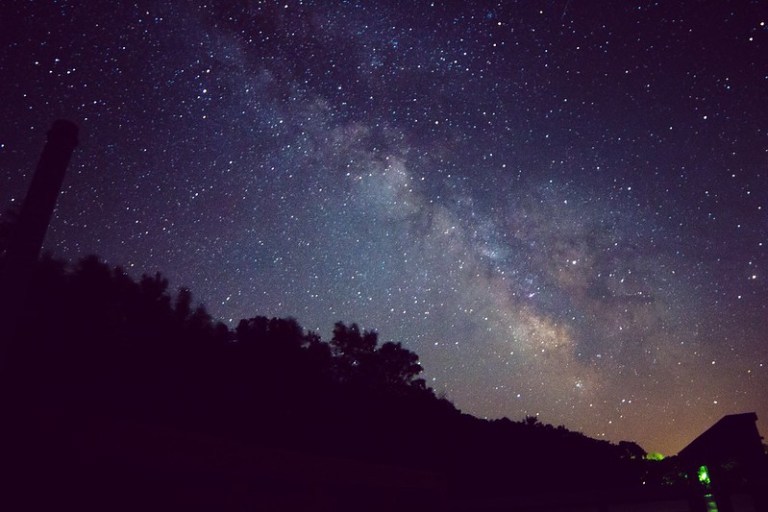
Lake Wenatchee State Park, the Olympic Peninsula, and the Methow Valley are all popular spots, but any area without a lot of city lights or cloudy skies will do.
Since March 25, 2023, we've been able to spot Mercury, Venus, Mars, Jupiter, and Uranus arranged in their natural order from the sun. You can see it all with your naked eye, but you'll get the best views from a telescope.

If you haven't noticed yet, make sure you take a peek quickly, because this rare event will only last until March 30, 2023.
The last time all five naked-eye planets were in alignment in the sequence was in December 2004.

And this alignment will not happen again for another 18 years!
You'll have an especially good chance of seeing all five planets clearly just after sunset in the western sky.

This is when the crescent moon will join the lineup, illuminating Venus and Mars.
Seeing this phenomenon might require setting your alarm for the precise time the sun will set, but it will be worth it.

If you get lucky you'll experience all five planets visible tonight in Washington.
Enjoy some of the best places for stargazing in Washington in this video montage of 14 locations in Washington state with amazing night sky views:
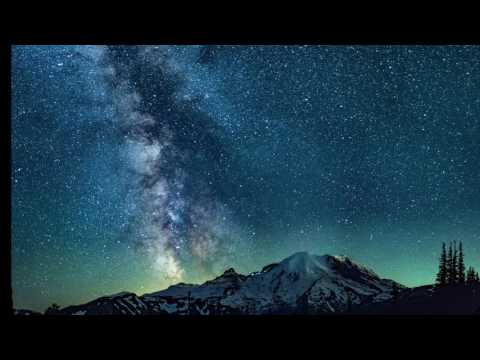
An event like this doesn't come up very often, so tonight is the night to peer up at the Washington night sky in hopes of catching this rare event. Will you take the time to enjoy this beautiful planetary parade? Washington has so many fantastic stargazing spots that would be perfect, like the Goldendale Observatory.
Subscribe to our newsletter
Get the latest updates and news
Thank you for subscribing!