America’s Best Firefly Viewing Spots—and When To Go
Discover the best places to see fireflies across America, from the Smokies to Congaree National Park, plus the best times to visit each destination.
Growing up in the Midwest, seeing the blink of the spring's first lightning bug—as I grew up calling them—was always exciting for me: wondering if I'd actually seen the flash in the grass or up among the leaves of a tree, waiting for it to happen again and confirm that the fireflies were back. Sometimes, I'd see them by the dozens along creeks or fields near forests, and that was an unfailingly mesmerizing experience. I could watch them for hours. It wasn't until I was an adult that I learned about the real shows these little insects put on. In some parts of the country, for a few short weeks each year, lightning bugs gather by the thousands and treat lucky witnesses to a synchronized light show.
The best firefly viewing spots in America are in the eastern half of the country, stretching from the bottomland forests of South Carolina to the Appalachians and into parts of the Midwest. The spectacle these lightning bugs stage for viewers is one of the most memorable and rare natural wonders in America—and you don't want to miss it. So, pack a blanket, a red-light headlamp, and plenty of patience, then head out to one of these spots to see nature's best light show for yourself.
1. Great Smoky Mountains National Park, Tennessee
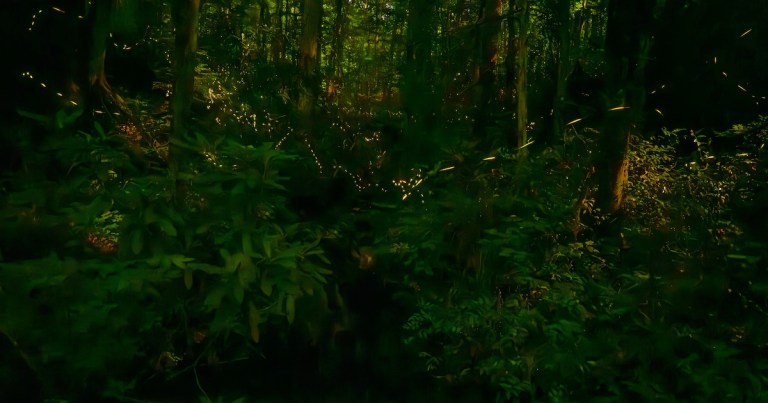
Great Smoky Mountains National Park is the big time when it comes to firefly viewing. Folks travel from all over the world to see the park's synchronous fireflies (Photinus carolinus) at the Elkmont viewing area. Unlike those that blink independently, individuals of this species flash in unison, turning the dark forest into a pulsing cloud of light.
Because Great Smoky Mountains is one of the most popular national parks with fireflies—and is, in fact, the most visited national park overall—demand to see this phenomenon is always high. The peak viewing window is typically between late May and early June, and the National Park Service runs a lottery system for vehicle passes to prevent crowds from disrupting the fireflies' habitat. Keep an eye on the Great Smoky Mountains National Park website early in the spring to secure your spot.
2. Congaree National Park, South Carolina

Among the old-growth bottomland hardwoods of South Carolina, you'll find another beloved synchronous firefly display. For about two weeks between mid-May and mid-June, the forest floor at Congaree National Park lights up with thousands of searching male fireflies blinking in synchronized rhythm, hoping to attract the attention of any nearby females.
Each year, the park sets up a dedicated viewing trail, allowing you to walk safely above the muddy wetland terrain as the fireflies pulse through the surrounding trees. Like the Smokies, the park uses a reservation system for passes during the peak weeks. To get the most out of your trip, check out our Congaree National Park guide before heading out, and visit Congaree's website for information on dates and passes.
3. Joyce Kilmer Memorial Forest, North Carolina

Another way to see synchronous fireflies in North Carolina—without the hassle of the national park lotteries—is to visit Joyce Kilmer Memorial Forest instead. This old-growth forest in western North Carolina has the dense canopy and darkness that the insects need to communicate with each other. Peak season here is the same as that of Great Smoky Mountains: late May into early June. To see the fireflies, you'll need to hike into—and out of—the woods after dark to see the show, so bring a reliable red-light headlamp (or flashlight) to navigate without disturbing the lightning bugs.
4. Allegheny Region Firefly Experiences, Pennsylvania

Northwestern Pennsylvania is home to a ton of lightning bug diversity, making it a top destination for firefly fans. The Allegheny National Forest, for example, is home to at least 15 different species, including the rare "Chinese Lantern" variety. Peak firefly season arrives a bit later here and lasts through July. A unique way to see them is to book a ticket on the Pennsylvania Firefly Express, a historic train ride that takes you past fields and forests teeming with lightning bugs.
5. Indiana's Firefly Hot Spots

Indiana takes its lightning bugs seriously, even designating the Say's firefly (Pyractomena angulata) as its official state insect. Thanks to an abundance of protected wetlands and state forests, the Indiana firefly season is long and active, running from early May through mid-July. Places like Tippecanoe River State Park offer excellent viewing conditions along riverbanks, where the natural humidity creates ideal breeding grounds for fireflies.
6. Cades Cove, Tennessee

If you can’t get an Elkmont pass but still find yourself in the Great Smoky Mountains during the summer, Cades Cove is your best backup plan for firefly viewing. This valley is famous for daytime wildlife viewing, but after the sun goes down, the grassy meadows fill with millions of lightning bugs. The abundance of fireflies and the wide open terrain make Cades Cove a particularly good place to photograph the insects.
7. Blue Ridge Mountains, North Carolina

Bioluminescent insects in the USA are also drawn to the Blue Ridge Mountains, which offer an array of habitats for lightning bugs. Different species, including the rare blue ghost firefly (Phausis reticulata), emerge in successive waves from June through August, depending on moisture and elevation. Mountain trails around Asheville, North Carolina, or along the Blue Ridge Parkway are prime spots to see a mix of different flash patterns, colors, and behaviors among the insects. Some species stay low in the leaf litter, while others fly high into the tree canopy, putting on a 360-degree show.
8. Shenandoah National Park, Virginia

In June and July, when the northern Virginia valleys are at their warmest, fireflies flock to the higher, cooler elevations of Shenandoah National Park. For easy-to-reach viewing, head for the open leas around Big Meadows. You can park at the visitor center, take a short walk to the meadows, and watch the fireflies dance in the cool mountain air.
9. Ozark National Forest, Arkansas

Arkansas is probably the westernmost place for first-rate firefly watching in the U.S. Not only are the prime locations much less crowded than the big eastern national parks, but you'll also find natural viewing conditions in perfect lightning-bug habitat with everything firefly larvae need to thrive. June is the best time to see the show in the Ozark National Forest, and if you plan to go on a moonless night, you'll be treated to some truly incredible dark skies, as well, so you can watch the fireflies dancing against the stars. Another more accessible option for firefly viewing in this part of the country is the Coler Firefly Sanctuary near Bentonville, Arkansas.
10. Great Lakes Region Viewing Areas

Michigan and Wisconsin are also home to impressive midsummer lightning bug displays, typically late June through July. Parks or natural areas that border lakes or marshy lowlands are your best bets. Lakeshore State Park in Milwaukee, Wisconsin, and Proud Lake State Recreation Area in Wixom, Michigan, are popular spots for firefly viewing in the Great Lakes Region.
Firefly Festivals Worth Planning Around

In addition to the insects themselves, you'll find a variety of fun community festivals during peak firefly season in the U.S. Events like the Arkansas Firefly Fling—held annually at the Botanical Garden of the Ozarks—offer educational programming, food, and family-friendly activities before the main event kicks off at dark. Local naturalists are typically on hand to explain the science behind the bugs' flashing behavior, offering a fun, often interactive, lesson before heading out to see the real thing in the wild.
Wherever you go to see the fireflies, remember that these delicate insects need clean, dark habitats. Leave the bug spray at home—but wear protective clothing, like a mosquito net—don't use flashlights with white beams, and stick to designated trails to avoid stepping on flightless females resting in the vegetation. Although brief, the arrival of lightning bugs always reminds me how magical summer nights can be when you take the time to pay attention.
Subscribe to our newsletter
Get the latest updates and news
Thank you for subscribing!