These 10 Fleeting Natural Wonders Only Appear Under Certain Conditions
From blooming deserts to glowing waves, these 10 short-lived natural wonders in the U.S. prove nature always has a few surprises in store.
The U.S. is covered in incredible natural wonders, from breathtaking waterfalls to uniquely shaped rock formations. But then, there are fleeting natural wonders in the U.S.—incredible sights that only appear under certain conditions. Like the setting sun perfectly illuminating Horsetail Fall in Yosemite National Park, causing this massive cascade to appear as falling lava, or towering Rainbow Eucalyptus trees in Hawaii shedding their bark to display vibrant neon colors, these rare natural phenomena in the U.S. are not experiences you can place near the bottom of your bucket list. They require you to get up, get going, and experience something extraordinary.
The following are 10 unique natural events in the U.S. that only happen occasionally. They are each time sensitive, breathtakingly beautiful, and worth planning a trip around.
1. Yosemite Firefall - California
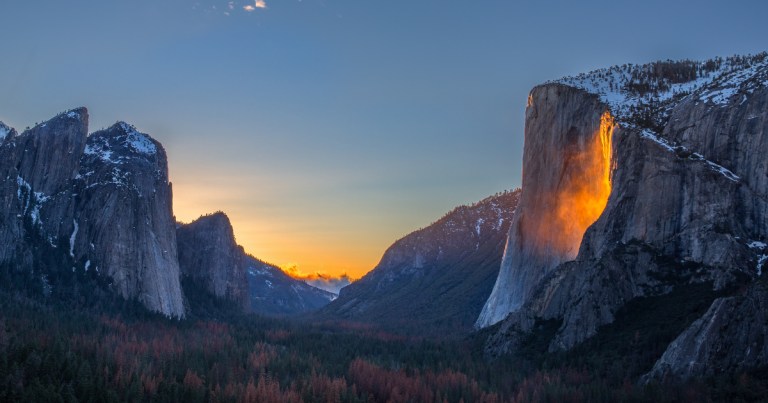
- Viewing Window: Mid to late February for approximately two weeks at sunset
- Popularity: Extremely popular
- Need to Know: This is one of the busiest times at Yosemite National Park, and viewing areas fill up quickly. Additionally, due to increased crowds, road closures, parking restrictions, and other measures are often in place, so you’ll want to visit the National Park Service website for the most up-to-date information.
The Yosemite Firefall is one of the most well-known fleeting natural wonders in the U.S. In perfect conditions, the setting sun casts Horsetail Fall on El Capitan in a molten lava glow, making the massive 2,000-foot waterfall appear to tumble over the cliff wall. This sight is breathtaking, but timing is essential, as the Firefall is visible for only 10 to 15 minutes a day for approximately two weeks in February. The weather is also critical. Clear skies and no wind are essential; otherwise, this rare natural phenomenon in Northern California is not visible. Additionally, Horsetail Fall is a seasonal waterfall and relies completely on snowmelt. If the area is too cold or dry, this waterfall may not flow at all.
2. Wildflower Super Blooms - California

- Viewing Window: The location and elevation affect peak viewing. The deserts and the southern California region typically bloom between February and April. Coastal and central California destinations bloom from mid-March to late April, and Northern California and the higher elevations bloom in early to mid-summer.
- Popularity: Depends on your viewing location
- Need to Know: These blooms can draw large crowds to popular spots, so expect heavy traffic or plan to visit on weekday mornings. Also, never walk through the blooms as this kills seedlings and prevents future blooms.
One of my favorite seasonal natural wonders in the U.S. is the California Super Bloom. This is a botanical phenomenon when the dormant desert and coastal seeds germinate after a wet winter, creating miles of colorful wildflower blooms. Many bucket-list-worthy places throughout California offer these incredible scenes, including Joshua Tree National Park, Death Valley National Park, Point Mugu State Park, Table Mountain Ecological Reserve, and even Lassen Volcanic National Park in the summer months.
3. Death Valley's Lake Manly - California

- Viewing Window: After extremely heavy rains
- Popularity: Popular
- Need to Know: Because of the heavy rains required to create this lake, the lake can damage roads, trails, and other park infrastructure. Also, it is essential to stay on all designated paths as footprints in the salt flats can remain visible for years.
Known as Lake Manly, the temporary lake in Death Valley only appears after heavy, record-breaking rainfall. This body of water forms in Badwater Basin, the lowest point in North America, and is typically quite shallow. However, because of the extreme heat in this area of the U.S., the water is only present for a short time, either evaporating quickly or being blown onto the nearby mudflats. If you are lucky enough to see this natural event, prepare yourself for one mesmerizing scene as the water reflects the surrounding landscape.
4. Gunlock Falls - Utah

- Viewing Window: During spring runoff
- Popularity: Very popular
- Need to Know: There are no safety barriers near these falls, and the rocks can be extremely slick and dangerous. Additionally, the waterfalls can be quite powerful. You must use extra caution when visiting these falls. Also, if the park reaches capacity, the entrance gates will close. It’s best to visit in the early morning and on weekdays.
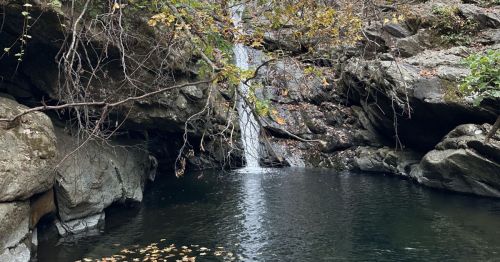
While there are many seasonal waterfalls in Utah, none are as unique as Gunlock Falls. Located in southwest Utah, at Gunlock State Park, these waterfalls only appear when the nearby Gunlock Reservoir reaches more than 105 percent of its capacity, causing water to spill over the dam and onto the red rocks below in the desert. These falls do not occur every year and depend entirely on winter snowmelt and spring rain. However, when Gunlock Falls do appear, they create a sight that makes you feel like you are in paradise, yet nestled in a red rock desert.
5. Bark Shedding of Rainbow Eucalyptus Trees - Hawaii

- Viewing Window: At irregular times throughout the year
- Popularity: Popular
- Need to Know: The shedding process is a way for the tree to survive and fight off moss, parasites, etc.
The Aloha State is a colorful destination, but it becomes even more striking when the Rainbow Eucalyptus Tree sheds its bark, revealing a vibrant trunk in bright, neon colors. These different colors indicate the age of the tree’s layers, with bright orange and maroon hues indicating the oldest layers. These trees are located across the Hawaiian Islands, including the famous Road to Hana in Maui. These trees shed in irregular sections throughout the year, but the most shedding occurs during the summer months.
6. Northern Lights - Alaska and Northern U.S.

- Viewing Window: Typically between September and March
- Popularity: Popular
- Need to Know: Fairbanks, Alaska, is one of the best places in the U.S. to view the Northern Lights. There are many vacation rentals, tours, and attractions here to help you make the most of this colorful natural display.
The Northern Lights are one of the better-known fleeting natural wonders in the U.S., but the conditions have to be just right to see the vibrant colors dance across the sky. This breathtaking natural display occurs when solar particles collide with the Earth’s magnetic field, appearing as green, purple, pink, and red ribbon strands moving across the dark sky. While we can somewhat predict when and where to view the Northern Lights in the U.S., many factors must perfectly align. Additionally, the best viewing is away from cities and places with heavy light pollution and near magnetic fields. Alaska is the best place in the U.S. to view the Aurora Borealis, but it can often be seen in northern U.S. states as well.
7. Ice Castles or Ice Formations - Midwest and Northeast

- Viewing Window: January to February
- Popularity: Varies by location
- Need to Know: You’ll always want to verify an ice castle is open, as warmer temperatures can cause an attraction to close early in the winter season.
Ice castles are unique, as they are man-made wonders constructed entirely of icicles. However, these formations are short-lived as they can only remain in sub-freezing temperatures. This means that even in early spring, as temperatures warm, these structures melt and disappear. Some of these remarkable ice formations are so large that you can easily walk through them, and some are designed into popular attractions with slides, multiple stories, and tunnels. While most ice castles in the U.S. require admission tickets to visit, you can also see remarkable ice formations created by Mother Nature at places like Pictured Rocks National Lakeshore in Michigan and Apostle Islands National Lakeshore in Wisconsin.
8. Manhattanhenge - New York

- Viewing Window: Twice a year (typically May and July), a few minutes before sunset
- Popularity: Can be very busy depending on where you stop to capture the view
- Need to Know: The best place to experience this golden view in NYC is as far east as possible while looking west.
While many of the natural wonders on our list appear out in the wilderness, Manhattanhenge occurs in the largest city in the U.S. This rare phenomenon occurs when the setting sun perfectly aligns with the east-west grid of the streets in Manhattan, creating almost a perfect tunnel of light down the middle of the city's streets. This golden view was not planned when NYC was built, but rather a coincidence based on the city's structured grid system. This is another scene that only occurs for moments at a time, so you must be prepared to witness this scene before the sunset occurs.
9. Synchronous Fireflies - Tennessee, North Carolina, and South Carolina

- Viewing Window: Late May to mid-June, depending on weather
- Popularity: Very popular
- Need to Know: Weather plays a significant role in viewing synchronous fireflies, as cooler temperatures and heavy rain can stop the fireflies from flashing. However, misty weather typically will not.
You can experience one of the most remarkable scenes when you view synchronous fireflies. For only a few days each spring, thousands of these small insects blink in unison, creating a breathtaking light show. Also known as the Mating Wave, this behavior involves males flying in the air and flashing their lights. The females sit on the ground below and respond by producing their own flashbacks. While there are several places to see this gorgeous night show, the Elkmont area in Great Smoky Mountains National Park is the most popular and requires entering a lottery to receive a permit to view the fireflies. Other destinations include Congaree National Park in South Carolina and the Blue Ridge Mountains in North Carolina.
10. Bioluminescent Waves - California and Florida

- Viewing Window: Summer and early fall during a New Moon
- Popularity: Popular
- Need to Know: While bioluminescent waves are generally safe, it is advised not to enter the water, as the organisms can release toxins that cause skin irritation, allergic reactions, or even illness.
Have you ever seen the ocean sparkle? That’s exactly what it looks like when bioluminescent waves occur. This natural wonder makes the ocean appear to glow neon blue. It is caused by a chemical reaction inside single-celled organisms that involves oxygen and a molecule called luciferin. This light is produced in the organism's body to scare away predators or even attract its own prey. While this phenomenon occurs around the world, you can view bioluminescent waves near California and Florida. Guided tours are one of the best ways to capture this scene, as you need to be in dark ocean waters with little light from the sky above.
Timing is everything when you want to capture views of fleeting natural wonders. From coast to coast, there are natural events that only occur in certain conditions—scenes that you must be prepared to witness. Whether it is a once-in-a-lifetime natural event or one that happens every season, Mother Nature sure knows how to impress us. For even more incredible beauty across the U.S., check out the most breathtaking destinations in each state (some may even surprise you).
Subscribe to our newsletter
Get the latest updates and news
Thank you for subscribing!