Why Winter Is My Favorite Season to Explore Alaska’s National Parks
The crowds are gone, the snow and ice completely transform the landscapes, and everything feels quieter, almost personal.
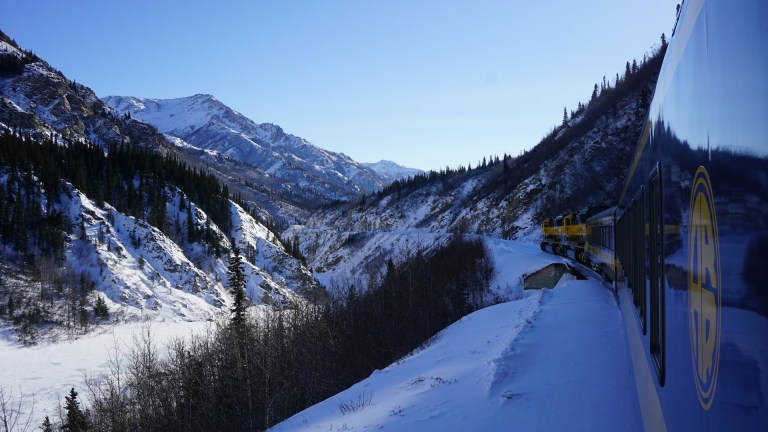
Alaska’s national parks in winter have a kind of magic you simply won't find any other time. The crowds are gone, the snow and ice completely transform the landscapes, and everything feels quieter, almost personal. It’s the perfect place to watch snowflakes drift onto a frozen river, or hop on your skis and explore the backcountry a little more intimately.
As someone who’s spent a lot of time in these national parks, I’ve come to love winter more than the other seasons. Here's why:
Winter in Alaska: Fewer Crowds, More Connection
One of the best parts of visiting Alaska’s national parks in winter is the peace and quiet. Denali, for instance, sees thousands of visitors in the summer, but come winter, the park feels like it’s all yours.

Kenai Fjords National Park is another favorite. In summer, it’s buzzing with boat tours and kayakers, but in winter, the snow-covered coastline is peaceful. Try booking a winter boat tour or a dog-sled ride. When the snow cover gets high enough, you can take your fat bike or snowmachine into the park during the winter months.
Winter Wildlife Watching
Denali National Park is home to around 1,800 moose who often move to lower elevations in winter, foraging in areas where food is easier to find beneath the snow.
Over in Kenai Fjords National Park, winter visitors might spot mountain goats navigating snowy cliffs near the coastline where the temperatures are slightly milder, or maybe catch a glimpse of moose grazing in the open.

Even marine life, like sea otters and harbor seals, can be seen near the icy shores, taking advantage of Alaska’s unique winter environment. Winter brings animals out into more visible areas, creating some of the best wildlife viewing opportunities of the year.
Unique Winter Activities
Winter in Alaska’s national parks offers experiences you just can’t have in the summer. In Denali, one of the snowiest parks in Alaska, you can strap on snowshoes or cross-country skis and explore miles of snowy trails. Or join a musher on a sled or sign up for a "learn to mush” session!

In Wrangell-St. Elias National Park, the frozen backcountry is vast and awe-inspiring. The scale and beauty are overwhelming -- and it’s COLD. In Kenai Fjords, winter turns glaciers into twisted sculptures, their cobalt blue color vivid against the snow, especially on cloudy days. It’s the perfect place to book a winter boat tour. Bundle up!
Striking Winter Landscapes
There’s no denying that Alaska’s national parks are beautiful year-round, but in winter, they’re stunning in a different way. Fresh snow settles into the valleys between the sharp, wind-carved peaks, while frozen rivers crack and shift with the changing temperatures.
While Exit Glacier is closed to vehicle traffic in the winter, the surrounding landscape is still impressive, with snow covering the mountains and the Resurrection River winding through the valley. In Denali, the vast, open terrain takes on an entirely different look, with snow smoothing out the tundra and low winter light casting long shadows across the peaks. The alpenglow on Denali is absolutely breathtaking.
The Magic of the Northern Lights

If landscapes aren't reason enough, winter is also the best time to view the Northern Lights. On clear nights, you might see the auroras dancing across the sky above Denali, Wrangell-St. Elias, or even Kenai Fjords National Park, if the conditions are right. Imagine a cold, quiet night sky filled with waves of green and pink light dancing overhead!
The auroras tend to happen more often during the coldest weather, which makes for clear skies. That means you’ll have to dress extra warmly for any aurora borealis adventure in Alaska.
How to Plan Your Winter Adventure in Alaska
Enjoying winter in Alaska does require extra planning, but it’s worth it. Dress warmly in layers, bring plenty of gear, and check the park’s website for road closures or trail conditions before heading out. Consider extra items like hand warmers, gaiters, and balaclavas for a toasty adventure. Guided tours are a great option, especially for activities like snowshoeing or dog sledding.

Also, don’t forget to pack a thermos of something warm. Nothing is better than sipping hot cocoa or coffee while frolicking in the snow.
If you’ve only experienced these parks in the summer, winter is your chance to see them in a whole new light. Bundle up, step outside, and see a quieter, more magical side of the best parks to visit in Alaska in the winter! Need some warm gear? I love the options at REI for staying comfortable in the coldest weather.
Subscribe to our newsletter
Get the latest updates and news
Thank you for subscribing!