The Boldest And Biggest Meteor Shower Of The Year Will Be On Display Above North Carolina In December
North Carolina offers a treasure trove of natural wonders, including majestic mountains, stunning waterfalls, and unique geological formations.
If you are in the market for some exciting, free entertainment, the American Meteor Society's calendar shows some spectacular upcoming meteor showers in North Carolina. The boldest and biggest meteor showers of the year are in December, and the choice is yours. The Southern and Northern Taurids and Leonids end on Dec. 2, Geminids are active until Dec. 24, and Ursids are active Dec. 13-24. The Southern Taurids are a long-lasting shower with a velocity of 17.2 miles per second with several peaks, and like the Northern Taurids are rich in fireballs. The Leonids, with a velocity of 43.5 miles per second, are known for producing meteor storms in the years 1833, 1866, 1966, 1999, and 2001. The Geminids are rated the best show in the heavens for their brightness and number and usually give the strongest meteor shower of the year. Plan a party for the unforgettable Geminid peak on Dec. 13 and 14. Also, stargazers will normally see five to 10 Ursids per hour during the late morning hours on Dec. 21 and 22, the dates of maximum activity. Some outbursts have exceeded 25 per hour for this show. So, happy stargazing!
We have always been curious about these mysterious travelers exploding in the sky.
So much so that we plan sky-viewing events, such as this one from the International Dark Sky Association.

To schedule a viewing, call 828-862-5554.
But sometimes they come to us, such as Ahnighito, weighing 36.5 tons and one of three displayed at the American Museum of Natural History. The three came out of eight fragments of the Cape York meteorite.

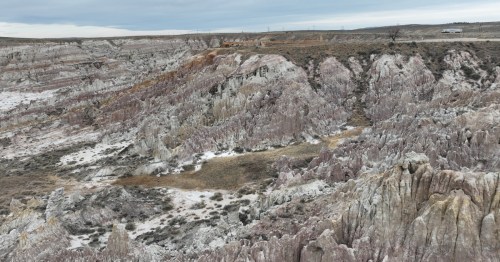
And they are so heavy, they leave a deep impression, such as this meteor crater in Arizona.

It is located about 37 miles east of Flagstaff and 18 miles west of Winslow in the desert of northern Arizona.
This lovely meteor was caught in front of a camera in Richmond County, North Carolina.

Check out some star parties at Medoc Mountain State Park in Hollister, North Carolina.
Traveling at tens of thousands of miles an hour, when a meteorite enters Earth’s atmosphere, a wall of compressed air builds in front of the meteorite. When the two collide, the meteorite explodes.

This 2009 photo was taken of a meteor during the peak of the 2009 Leonid Meteor Shower.
This gorgeous view of the night sky is over Bladen Lakes State Forest.

But if we are lucky enough to see them, nothing in our dreams can compare to the magic they display.

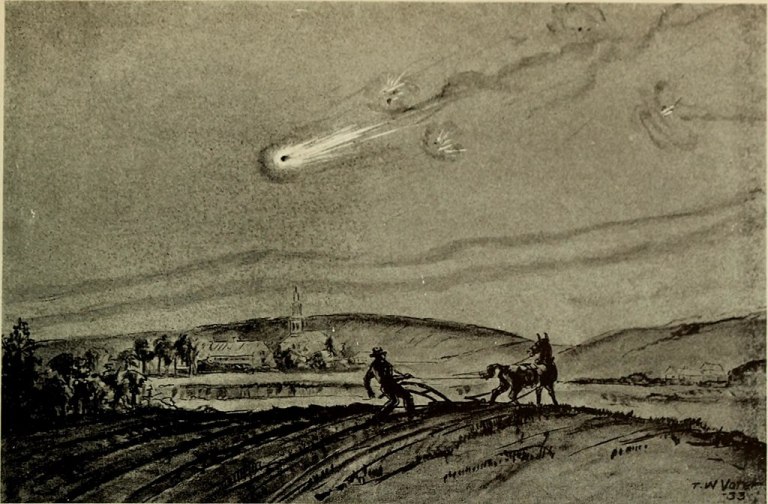
This old woodcut from 'The Music of the Spheres" illustrates the Leonid shower of Nov. 13, 1833, and was compared to snowflakes falling.
Plan a star party during one of these meteor shower events, and see the biggest meteor shower of the year. More history of meteor showers and planets is available.
Subscribe to our newsletter
Get the latest updates and news
Thank you for subscribing!