The Breathtaking Small Town State Park in Missouri That We Can’t Stop Thinking About
Explore Big Lake State Park in small-town Craig, Missouri. Wildlife and serene waters await at Missouri’s largest natural body of water.
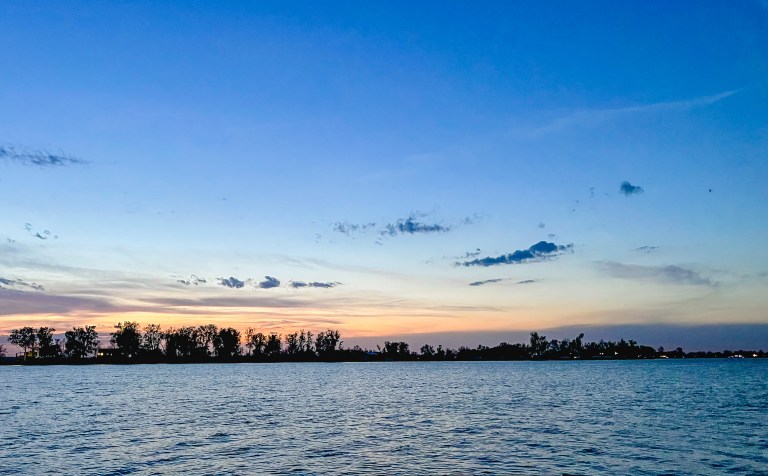
Many lakes in Missouri were created as part of man-made conservation efforts; Big Lake stands out because it is au natural. Located in Craig, Missouri, Big Lake is the state's largest oxbow lake and its largest natural body of water, covering 646 acres within the 407-acre Big Lake State Park. Mother Nature herself carved out this lake, a former bend of the Missouri River. The lake is part of a wetland ecosystem that shelters over 30 mammal species, nearly 40 reptiles and amphibians, and a spectacular array of migrating birds in spring and fall.
Now, let's talk more about oxbow lakes and what makes them so special. Today, we’re used to rivers “staying in their lane” due to efforts by the Army Corps of Engineers lock and dam systems. But before those interventions, rivers meandered across valleys, creating sloughs and wetlands.
Oxbow lakes form when a river takes a shortcut across one of its loops, eventually filling with sediment and cutting off from the main channel. Oxbow lakes are part of wetland systems and provide habitats for diverse plant and animal species, making them havens for biodiversity.
According to Lewis and Clark’s journals, Big Lake was likely called Tar-ki-o by the Native Americans, including the Iowa, Fox, and Sac tribes who frequented the area. In 1837, these tribes relocated across the river to Northeast Kansas in conjunction with the Indian Platte Purchase, though they continued visiting the region. It's easy to see why: the area was once rich with bottomland forests, marshes, shallow riverbeds, lakes, and wet prairies, teeming with wildlife. Today, wetlands are increasingly rare, and the ones at Big Lake State Park are among the last large marsh communities in northwest Missouri.

Big Lake’s calm waters and abundant wildlife make it perfect for recreation, including boating, fishing, and birdwatching. There are day-use areas, camper cabins, and a campground at the state park. The nearby Loess Bluffs National Wildlife Refuge and the wetlands at Big Lake are part of the Mississippi and Central Flyways. Thousands of migrating waterfowl feed and rest in the area during fall and spring. Visitors can spot cormorants, American white pelicans, snow geese, mallards, teals, and pintails. Bald eagles also winter in the area; I’ll never get tired of watching them fish! Marshy conditions make the area an ideal habitat for wetland bird species like soras, rails, yellow-headed blackbirds, and majestic blue herons.

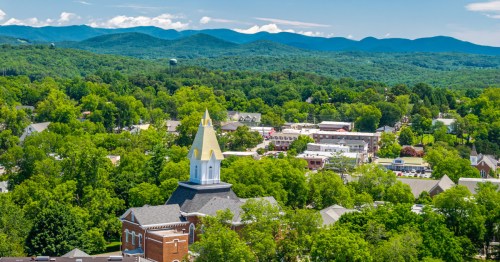
Craig, Missouri, is a tiny town, fortunate to have the scenic state park of Big Lake State Park nearby. In Craig, you'll find a cafe, gas station, and church, along with nearby campgrounds and cabins. Big Lake has been a tourist destination since the mid-1800s. The park is just an hour and a half north of Kansas City, Missouri. You could even stay at this charming farm in Saint Joseph, Missouri, midway to the park, complete with a jacuzzi, yard games, and farm animals.
So, are you ready to pack your bags for a chance to see the enormous American white pelicans? What’s the most extraordinary bird you’ve seen in Missouri?
Subscribe to our newsletter
Get the latest updates and news
Thank you for subscribing!