Keep Your Eyes Peeled, Thousands of Hummingbirds Are Headed Right for West Virginia During Their Migration This Spring
Ruby-throated hummingbirds migrate through West Virginia in early April, and setting up feeders and planting flowers can attract them.
Hummingbirds in West Virginia are heading our way! The ruby-throated hummingbird has begun its migratory trek north from the Gulf of Mexico and should pass through West Virginia in late March and early April. These tiny creatures are typically tracked with the help of witnesses who submit the first hummingbird sightings in their areas. In preparation, set up one of the best hummingbird feeders in your yard to attract these beautiful birds. Plant some flowers, too, to attract ruby-throated hummingbirds. And, by all means, get your cameras and nature journals ready.
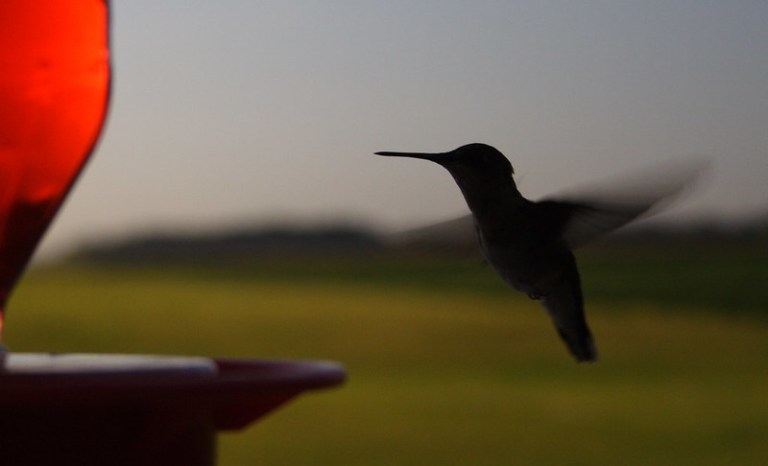
More than 300 species of hummingbirds are in the Western Hemisphere, but we don't see many of them here in West Virginia. Only 20 or so of those 300 species are present in the United States, and most of them limit their range to the far southern states. But that doesn't mean you won't see hummingbirds in West Virginia this year - you likely will.
When do hummingbirds come back to West Virginia? Only one species of hummingbird passes through West Virginia, the ruby-throated hummingbird, and then only during its migration between the Eastern U.S., Canada, and the Gulf of Mexico each spring and fall. Interestingly, that migration period is becoming earlier due to warmer weather in the United States.

However, the ruby-throated hummingbirds typically arrive in West Virginia in late March and early April. Males, easily recognizable due to their red throat, migrate first and females usually follow a few weeks later. Females are easy to identify by the white or grey feathers at their throats.
Spring is breeding season and the best time to see hummingbirds in West Virginia. Ruby-throated hummingbirds come north to have offspring and then travel back south in the fall with their babies.
Weather and available food sources are the two motivating factors in hummingbird migration. How can you help these tiny birds as they make their long journey? Hummingbirds sip nectar from flowers, eat small insects (flies, gnats, and spiders) typically associated with flowers and weeds, and feed from the backyard.

The best time to leave out hummingbird feeders in West Virginia is in late February or early March. A brightly-colored feeder is a great way to attract the birds, as are tubular flowers that are rich in nectar and well suited for the long beaks of the hummingbird.
Keep a feeder full of a fresh, clear sugar-water mixture (1 cup water and 1/4 cup sugar), or scatter hummingbird-friendly flowers like columbine, trumpet vine, petunias, and bee-balm throughout your flower beds.

Change the sugar water in your feeders regularly to keep bacteria from forming, and do not use any red dye, which can be harmful, in the water. If you notice the water is cloudy, change it immediately.
Once you start filling your feeder, keep it full through the migratory season and leave it out for at least a few weeks after you've seen the last ruby-throated hummingbirds, usually around late August or early September.
Where you put the hummingbird feeder is also important. Try to find a place with shade or near hummingbird-friendly flowers. Since I have several trees in both my front and back yards, I hang one from each, ensuring they are high enough to protect the birds from predators, including cats.

If you've had a hummingbird feeder in your yard for a while, you may be feeding recurring visitors. Hummingbirds are creatures of habit and they tend to revisit the same food sources during migration. You may have had the same hummingbird friends for years without ever knowing. Ruby-throated hummingbirds can live as long as nine years.
When do hummingbirds come back to West Virginia? Hummingbirds in West Virginia will soon show themselves this spring. They can fly at speeds up to 60 miles per hour, with 53 to 80 wing beats per second, and they are the only birds that can fly backward. For more information, visit the Hummingbird Central website.
We can't wait to admire the ruby-throated hummingbirds this spring. Also, be on the lookout for other birds and sharpen your skills with these handy backyard birding flashcards. Butterflies also pass through West Virginia at certain times of the year, so be on the lookout for them as well.
Where do you go - your favorite park or hiking trail - to see the hummingbirds in the wild? Share your favorite spots with us by nominating them; we might feature the nominees in a future article. Then, start planning your warm-weather adventures by adding the best things to do in West Virginia to your spring bucket list.
Subscribe to our newsletter
Get the latest updates and news
Thank you for subscribing!