TSA Bans Popular Travel Item From Checked Bags—Here’s What You Need to Know
Flying soon? TSA just banned lithium batteries from checked bags. Here’s what’s allowed and how to pack your electronics the right way.
If you’re like me and always pack a portable charger or spare battery for your devices, you’ll want to pay close attention to a new rule that could impact your next trip. The TSA has just banned lithium batteries—including those in power banks, electric toothbrushes, and charging cases—from checked luggage. Here’s what you need to know before you head to the airport.
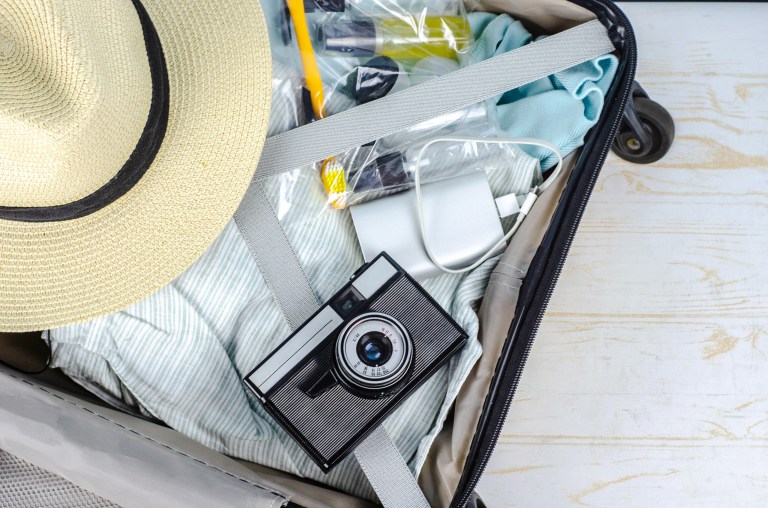
What You Need to Know
- Spare lithium batteries (including power banks and charging cases) are now banned from checked luggage.
- All lithium batteries and battery-powered devices must be carried in your carry-on.
- Battery terminals must be protected from short circuit (tape, cases, or original packaging).
- There are size and quantity limits for larger batteries—most travelers won’t be affected.
- Damaged or recalled batteries and devices are not allowed on any flight.
- Checked bag fees are rising, making carry-on space even more valuable.
Why the Ban?
Lithium batteries power nearly all our favorite travel gadgets, but they can pose a serious safety risk if not handled properly. All lithium-ion batteries are capable of overheating and entering a process called “thermal runaway,” which can lead to fires—especially dangerous in the cargo hold where they’re harder to contain. The FAA and TSA have seen several incidents recently, including power banks catching fire mid-flight, so they’re tightening the rules to keep everyone safe.
What’s Actually Banned?
Here’s a quick rundown of what you can and can’t pack:
- Banned from checked bags: Spare lithium-ion and lithium-metal batteries, power banks and portable chargers, cell phone charging cases, and external batteries (for cameras, laptops, etc.)
- Allowed in carry-on only: All of the above, as long as the battery terminals are protected.
- Installed batteries: Devices with batteries installed (phones, laptops, tablets, cameras) can be carried in either bag, but carry-on is recommended for safety.
- Damaged or recalled batteries/devices: Not allowed at all unless the battery has been removed and it is safe to bring the device without it.
Tip: If your carry-on is checked at the gate, you must remove all lithium batteries and keep them with you in the cabin.

Size and Quantity Limits
Most personal electronics are fine, but there are rules for bigger batteries:
- Lithium metal batteries: Max 2 grams of lithium per battery.
- Lithium-ion batteries: Max 100 watt hours (Wh) per battery.
- Larger batteries (101–160 Wh): Up to two spares allowed with airline approval.
Batteries must be for your personal use—no carrying extras for resale or distribution.
Rising Checked Bag Fees
As if packing wasn’t stressful enough, airlines have also increased checked bag fees. With more items now required in your carry-on, you might find yourself juggling space (and costs) even more. For example, Southwest now charges $35 for the first checked bag, and other airlines have followed suit, sometimes with surge pricing during busy travel periods.
Packing Pointer: Need a carry-on that fits every airline? Check out our picks for 5 Stylish Carry-Ons That Will Fit in the Cabin of Every Airline.
In Summary
I know it can feel overwhelming to keep up with all the latest travel rules, but this one is important for everyone’s safety. Here’s my advice:
- Double-check your battery types before you leave for the airport. To do so, check any labels on the item, your owner's manual, and/or search for the item online to review product details.
- Keep all lithium batteries and power banks in your carry-on.
- Protect battery terminals to prevent short circuits.
- Be aware of rising checked bag fees and plan accordingly.
For more details, check the FAA’s PackSafe page before your next trip. Safe travels!
Have you ever run into trouble at the airport because of a battery in your bag, or do you have tips for fellow travelers on packing electronics? Let us know your thoughts or experiences using our nomination form, and don’t forget to explore more of our travel advice for a stress-free trip.
Subscribe to our newsletter
Get the latest updates and news
Thank you for subscribing!