Oklahoma Flyers Are Paying Among the Highest Fares in the Country
Tulsa International ranked 87th nationally at $432.81. Oklahoma City's Will Rogers World ranked 89th at $440.46. Both sit well above the $387 national average.
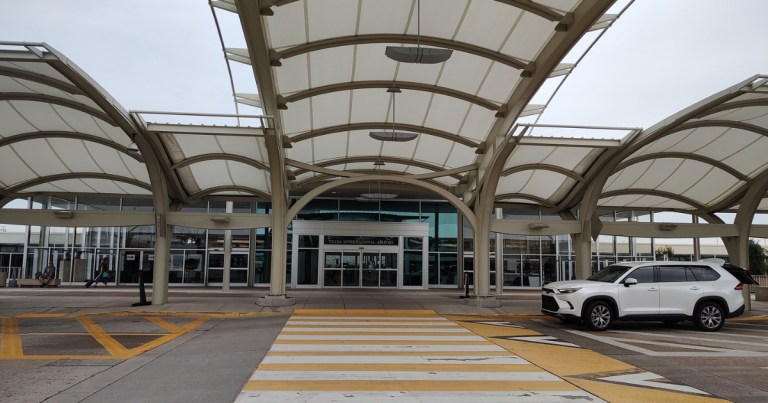
Oklahoma's two airports in the national top 100 both rank in the expensive tier nationally, making the state one of the pricier places in the South-Central region to begin a domestic flight. Only In Your State analyzed recently released Bureau of Transportation Statistics data, and neither airport offers relief from above-average fares.
Tulsa International Airport (TUL) averaged $432.81 per domestic ticket in 2025, ranking 87th out of 100 airports nationally—$45.81 above the national average of $387. Will Rogers World Airport (OKC) in Oklahoma City averaged $440.46, ranking 89th—$53.46 above the national average and $7.65 more per ticket than Tulsa.
Understanding Oklahoma's Higher Fares
Both airports sit in the lower tier of national passenger volume—TUL ranked 79th and OKC ranked 68th—which limits the carrier competition that drives fares lower at larger markets. Fewer airlines competing for the same passengers typically means higher average prices.
The fares at Oklahoma's airports are similar to what you'd find at other mid-size regional airports in the interior South and Midwest: markets large enough to attract several carriers but not large enough to generate the intense price competition seen at major hubs or top leisure destinations.
Beyond lower passenger volumes, flight availability and carrier concentration play a major role in Oklahoma's fare dynamics. With major hub airports located hours away in neighboring states, local travelers often face limited nonstop options, forcing a higher percentage of itineraries through connecting flights. This lack of direct airline competition on key business and leisure routes allows carriers to maintain higher baseline prices across both major Oklahoma runways.
Regional Alternatives Worth Considering
Dallas Love Field (DAL) at $340.29, ranking 18th nationally, is within driving range for southern Oklahoma residents—roughly 180 miles from Oklahoma City. The $100.17 per-ticket savings over OKC can justify the drive for a family trip or an expensive route.
Dallas/Fort Worth International (DFW) averaged $421.77, ranking 76th—still cheaper than Oklahoma City, and with a far broader route network. For trips where nonstop service from OKC or TUL isn't available, DFW is the practical connecting hub regardless.
For those willing to explore other regional departures, keeping an eye on secondary regional airports like Wichita Dwight D. Eisenhower National (ICT) or Northwest Arkansas National Airport (XNA) can occasionally reveal competitive promotional fares, depending on your destination. Additionally, tracking flexible fare calendars and setting price alerts 6 to 8 weeks ahead of travel can help lock in reasonable rates without having to make the long drive across state lines.
This data reflects 2025 averages from the Department of Transportation, released in May 2026. Oklahoma travelers face above-average baseline fares, which makes smart booking habits—particularly booking well in advance—more valuable, not less. Knowing how to find cheap flights can help offset some of the regional cost premium.
To get the most from your next departure, explore how to find cheap flights and unexpected ways to cut travel costs to help stretch your budget further.
To see how every major airport in the country compares—plus the full methodology behind the data—explore the complete U.S. Airport Cost Rankings for 2026.
Subscribe to our newsletter
Get the latest updates and news
Thank you for subscribing!