Travelers Beware: The Heat Wave in Nevada Will Be Extreme This Summer
Here's everything you need to know when traveling to Nevada during the summer 2026 heat wave.
If you’ve experienced summer weather in Nevada, it’s hard to believe that the state could get any hotter, especially with its typical triple-digit temperatures. Yet, this year, forecasters’ predictions warn that the Silver State will face extreme conditions. Sure, Nevada is known for its intense desert heat; however, abnormally rising temperatures present a major threat to wildlife, the elderly, vacationers, or anyone spending long hours outside for work or recreation. Of course, staying hydrated is one way to beat the grueling temperatures, but there are many other ways to take precautions as the heat index continues to rise. Here are some travel tips and everything you need to know on how to best prepare for Nevada’s blistering heat.
What Gets Extreme in Nevada During Summer?
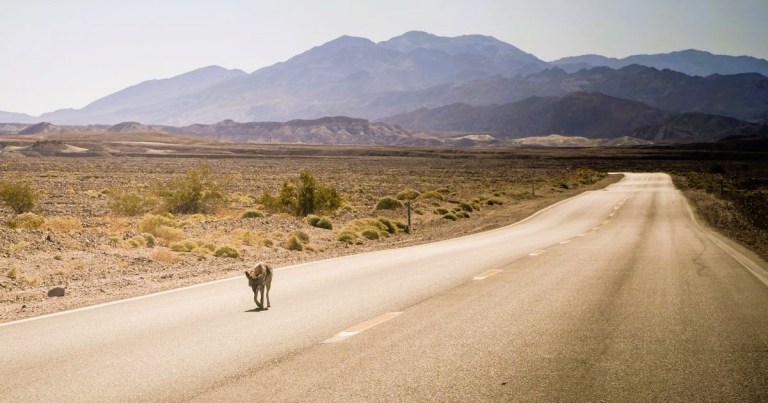
As with most southwestern states, Nevada is no stranger to high temperatures. In fact, its location in the Mojave Desert and minimal rainfall make Nevada one of the driest states in America. Scorching summers are typical, and it’s not the most pleasant experience for locals and seasonal travelers. In early July 2026, due to strong high-pressure conditions, Nevada hit 111 degrees Fahrenheit, the highest temperature of the year. The National Weather Service issued a major extreme heat risk during this heat wave.
Not only that, but after several consecutive days of temperatures rising to triple digits, drought conditions have worsened. For anyone who has been to Lake Mead, you’ve noticed the reservoir is approaching historic lows, even after a brief rebound. Unfortunately, the NOAA Climate Prediction Center outlooks show above-normal temperatures in Nevada and throughout the Southwest region for the rest of July into the first week in August. Thankfully, the heatwave is overlapping with monsoon season, which will bring some relief, especially when it comes to wildfires in the area.
What Travelers Should Expect

As someone who has felt 106 degrees in summer in Nevada, be prepared, especially if you’re not used to the dry heat. In places like Florida, where the humidity makes you feel like a swampy, sweaty mess, in Nevada, sweat evaporates quickly, and your body will feel a bit cooler. However, the danger happens when you lose a lot of water and electrolytes without realizing it. This can result in dehydration, causing dizziness, headaches, or extreme fatigue.
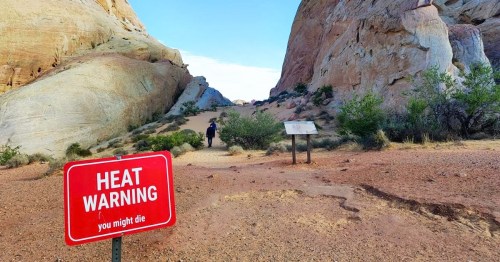
So, what does that mean for road trippers, vacationers, and first-timers traveling during the heat wave? Take heed of warnings; they are posted to protect you. If you plan to visit outdoor spaces like Valley of Fire, the most popular state park in Nevada, pay attention to posted heat advisories. The state park goes as far as closing certain trails due to the oppressive heat. So, check the websites of all the parks before visiting. If you plan to hike the open trails, start early and bring more water than you need. I would recommend hiking places like Great Basin National Park (GBNP), where the temperatures can be 30 degrees cooler in the summer, due to its higher elevation. Stay away from Death Valley National Park, near the California border; it’s one of the hottest places on Earth.
Is Nevada Still Worth Visiting in the Summer?

Of course, it is, but choose your destinations and plan your hiking excursions wisely. Nevada’s vast landscape makes exploring in summer a unique and fun experience. Whether you’re hiking through the red sandstone formations at Valley of Fire or soaking up alpine scenery and gazing at the Milky Way at GBNP, summers in Nevada can be truly rewarding—and with fewer crowds. With that in mind, seniors and retirees should take extra precautions and limit their outdoor activities during the warmest parts of the day. Early morning and sunset hikes are not only safer, but they’re also great for solitude and reflection.
Of course, you can’t go wrong with a day on a lake or taking a dip in one of the beaches in Nevada—seriously, have you been to Lake Tahoe? Anyone traveling with little ones or pets should always make sure they carry enough water for them, take frequent breaks, and pay attention to signs of dehydration. Also, there are lots of indoor kid-friendly activities in Nevada, where air conditioning is the saving grace.
When you’re ready to find fun things to do in Nevada in summer, be sure to visit the Travel Nevada website for places to play, eat, and stay. Stay safe!
Subscribe to our newsletter
Get the latest updates and news
Thank you for subscribing!