Detroit Ranked 85th. Grand Rapids Is Nearly $32 Cheaper Per Ticket.
Detroit Metropolitan ranked 85th nationally at $429.65 in 2025—well above the $387 national average and one of the pricier major hubs by fare. Grand Rapids, smaller and cheaper at $397.75, is a regional alternative.
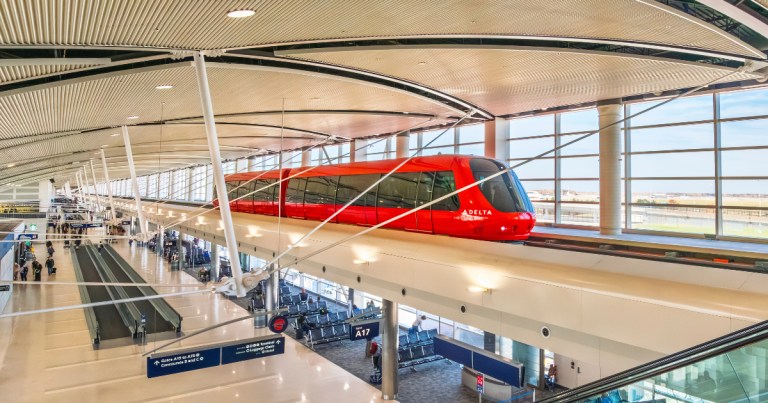
Michigan's two major airports in the national top 100 represent very different cost profiles, and for travelers in the western part of the state, the cheaper option may be closer than you think.
Only In Your State analyzed recently released Bureau of Transportation Statistics data, and Detroit Metropolitan Wayne County Airport (DTW) averaged $429.65 per domestic ticket in 2025—ranking 85th out of 100 airports nationally. That's $42.65 above the national average of $387.
Gerald R. Ford International Airport (GRR) in Grand Rapids averaged $397.75 in 2025, ranking 55th nationally. That's $10.75 above the national average—not cheap, but significantly better than Detroit.
Why Detroit's Hub Status Doesn't Lower Fares
Detroit Metropolitan ranked 20th nationally by passenger volume—a major hub airport. But as the Bureau of Transportation Statistics data confirms nationally, high passenger volume doesn't guarantee low fares. Six of the 20 busiest airports in the country are also among the 20 most expensive, and DTW—20th in volume, 16th in cost—is squarely in that pattern.
Hub airports like DTW handle large volumes of connecting passengers, not just local travelers. That connecting traffic supports higher pricing in ways that point-to-point leisure markets don't. The result is that Michigan's largest airport is also its most expensive per ticket.
The Grand Rapids Option

For western Michigan residents, Gerald R. Ford International Airport offers a meaningfully different experience. At $397.75 versus DTW's $429.65, the $31.90-per-ticket difference can add up quickly for regular travelers.
GRR ranked 66th nationally by passenger volume—a smaller market with strong enough carrier competition to produce near-average fares. For Grand Rapids-area travelers, it's the most practical option and one that performs reasonably well by national standards.
Strategic Alternatives for Michigan Flyers
Beyond the direct price contrast between Detroit and Grand Rapids, regional travel dynamics offer extra flexibility for mid-state residents. Travelers residing in areas like Lansing, Kalamazoo, or Flint often sit at a geographic midpoint where driving an extra 30 to 45 minutes can yield substantial savings. Expanding your search radius to evaluate regional alternatives across the state often reveals competitive flight options that offset the added driving time or parking fees.
Furthermore, factor in total travel expenses rather than relying solely on base fares. Regional hubs like Grand Rapids often feature shorter security lines, less congested parking facilities, and lower overall ground costs compared to massive international hubs. By factoring in parking, fuel, and time spent navigating the terminal, a slightly lower airfare at a regional airport frequently yields an even greater overall savings than the ticket price alone suggests.
This data reflects 2025 averages from the Department of Transportation, released in May 2026. Smart booking habits—particularly booking in advance and comparing nearby airports—can help Michigan travelers manage the region's above-average airfare landscape.
To get the most from your next departure, explore how to find cheap flights and unexpected ways to cut travel costs to help stretch your budget further once you've already got a head start.
To see how every major airport in the country compares—plus the full methodology behind the data—explore the complete U.S. Airport Cost Rankings for 2026.
Subscribe to our newsletter
Get the latest updates and news
Thank you for subscribing!