Kansas City International Ranked 77th—Above the National Average
Kansas City International ranked 77th nationally at $422.15 in 2025—well above the $387 national average. It's the primary hub serving both sides of the state line.
Kansas City's primary air hub sits on the expensive side of the national average. Only In Your State analyzed recently released Bureau of Transportation Statistics data, and Kansas City International Airport (MCI)—located in Missouri but serving as the primary gateway for both sides of the Kansas City metro area—averaged $422.15 per domestic ticket in 2025, ranking 77th out of 100 airports for affordability.
That's $35.15 above the national average of $387. For local residents and Kansas travelers relying on MCI for domestic flights, that premium is simply part of the cost of staying connected.
Understanding Kansas City's Ranking
Kansas City International ranked 37th nationally for passenger volume—a mid-tier hub that attracts multiple carriers but doesn't generate the intense competition seen at larger markets. With a new terminal opening in 2023, the airport's physical infrastructure has improved significantly, but fare dynamics are driven more by market size and carrier competition than by terminal quality.
The ranking puts MCI in the same expensive tier as Minneapolis ($422.93), Milwaukee ($423.55), and Los Angeles International ($423.63)—major airports where hub dynamics or high operating costs keep fares elevated.
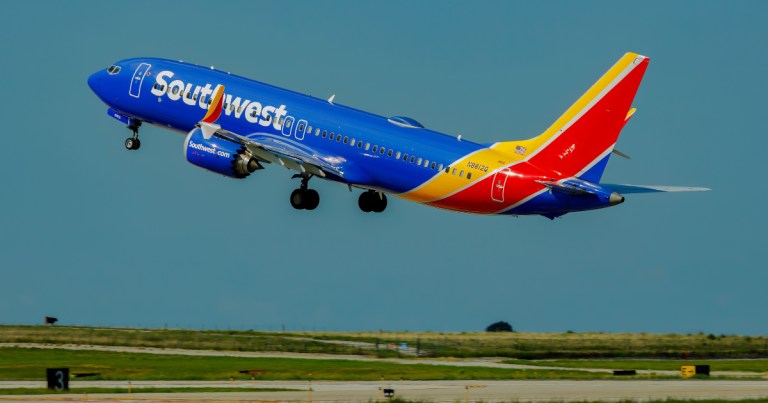
The cost structure at MCI is also influenced by the carrier dynamics that dominate the region. Southwest Airlines has a major presence at the airport, operating as its largest single carrier, alongside standard service from legacy airlines such as American, Delta, and United. While the presence of multiple legacy carriers prevents monopolistic pricing, MCI lacks the fierce competition generated by ultra-low-cost carriers (ULCCs) in massive market hubs. Without a high volume of budget-first routes driving down base fares, average ticket prices remain anchored closer to standard carrier rates.
Furthermore, the airport's recent infrastructure modernization—highlighted by the opening of a single, unified 39-gate terminal in early 2023—has transformed the passenger experience with updated amenities, streamlined security, and improved concourses. While these long-overdue capital improvements have significantly enhanced overall travel convenience and gate accessibility, terminal upgrades do not directly lower airfare. Fares continue to be dictated primarily by airline route density, seat supply, and overall passenger demand across the region.
Alternatives Worth Knowing
Wichita's Dwight D. Eisenhower National Airport is not among the top 100 by passenger volume and doesn't appear in this dataset. For western Kansas residents, Denver International (DEN) at $360.65—ranking 29th nationally—is a significantly cheaper option for those willing to make the drive west.
Dallas Love Field (DAL) at $340.29, ranking 18th nationally, is another alternative worth considering for southern Kansas residents, though the distance makes it practical only for significant trips where the fare savings justify the travel time.
This data reflects 2025 averages from the Department of Transportation, released in May 2026. Smart booking habits—booking well in advance and staying flexible on dates—can help Kansas travelers manage the higher average fares from their primary departure airport.
To get the most from your next departure, explore how to find cheap flights and unexpected ways to cut travel costs to help stretch your budget further once you've already got a head start.
To see how every major airport in the country compares—plus the full methodology behind the data—explore the complete U.S. Airport Cost Rankings for 2026.
Subscribe to our newsletter
Get the latest updates and news
Thank you for subscribing!