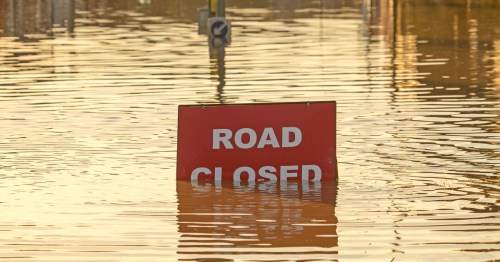
The Flooding in Kansas Could Be Unusually Intense This Summer
It's the summer of soccer and the summer of floods in Kansas this year.
Flood warnings, street inundations, loss of life, and millions of dollars in damage have been splashed across the headlines as summer weather in Kansas brings persistent torrential rain. I noticed the flooding trend during the first days of June, after discovering half a dozen local waterfalls gushing in ways not seen in years. Usually, those gushes are short-lived and appear only after extreme rainfall in spring. But this year, they have consistently flowed for months, with no sign of slowing to a trickle. And while waterfalls are a fun effect of an unusually wet season, they are also a reminder of nature's unforgiving power.
Flooding Gets Extreme in Kansas This Summer
Although better known for oppressive summer heat and tornadoes, Kansas is also known for another extreme summer condition: flooding. With half a dozen history-making floods over the past century, it is clear that torrential rains from the Kansas plains to Kansas City flooding, and everything in between, can have devastating consequences. There isn’t a true flood season, and flooding can happen at any time of the year when waterways are over capacity and the ground is oversaturated. Still, the most common season for flooding in Kansas is the summer, especially June and July. And this year has been especially extreme, with reports that water levels, damage, and deaths are worse than during the last catastrophic flood in 1993.
What Travelers Should Expect

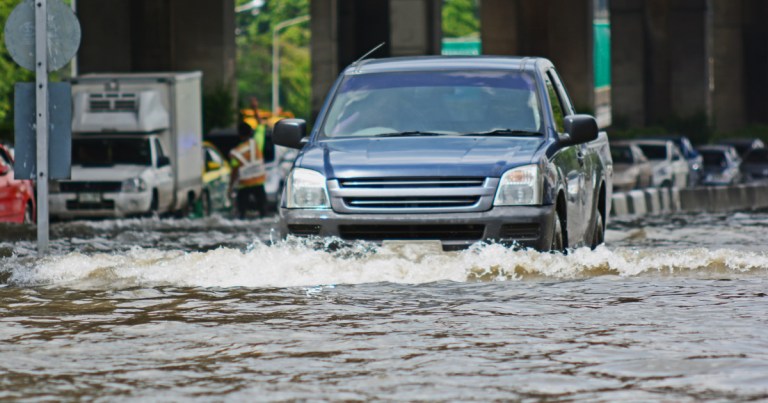
The extreme flooding and weather warnings in Kansas are particularly worrisome, with 650,000 people visiting Kansas in summer for the FIFA World Cup being held in Kansas City. For the past several weeks, there have been frequent reports of torrential rainfall, sometimes with two to six inches falling within a few hours. Such intense accumulations have caused rivers to rise as much as 20 feet above flood stage, leaving roadways three to four feet underwater, people stranded in cars, and hundreds of calls for emergency evacuations across the state, especially in Wichita and Kansas City.
How To Prepare for It
The best way for locals and visitors alike to prepare for extreme flooding is to take flood watches and warnings seriously. This means avoiding flood-prone areas when there is a risk and never purposely entering a flooded roadway or area. If you do encounter a flooded area, always follow the principle of “Turn Around, Don’t Drown.” More than half of flood-related deaths are caused by vehicles entering flooded areas and roadways and are often considered preventable.

If you are traveling in Kansas during a state of emergency due to flooding, please be extra diligent in following local protocols for alternate routes and parking options. Stay aware of rising water, which can still occur several days after torrential rains, and keep a close eye on the weather and evacuation instructions. Being prepared for extreme weather with a plan is the best way to stay safe when extreme conditions arise. If you plan to see the gushing waterfalls on a Kansas road trip, never go during an active rainfall or when it is at flood stage, and always travel with a companion or let someone know where you’ll be.
Subscribe to our newsletter
Get the latest updates and news
Thank you for subscribing!