The One Delaware Town With the Most Intriguing and Almost Unbelievable History
Delmar, a unique town spanning Delaware and Maryland, boasts a resilient history marked by its establishment around the railroad and recovery from two devastating fires.
Looking for things to do in Delmar, Delaware? This unique town spans the southern border between Delaware and Maryland, seamlessly blending the two states. Delmar's jurisdictional fluidity has enabled joint ventures, such as a shared sewage system in 1927, and eventually, the unification of the two school systems in 1949, despite strong opposition. This little town boasts an incredible history that reflects its resilience and determination. Dive into the fascinating story of Delmar below and discover what makes it so special.
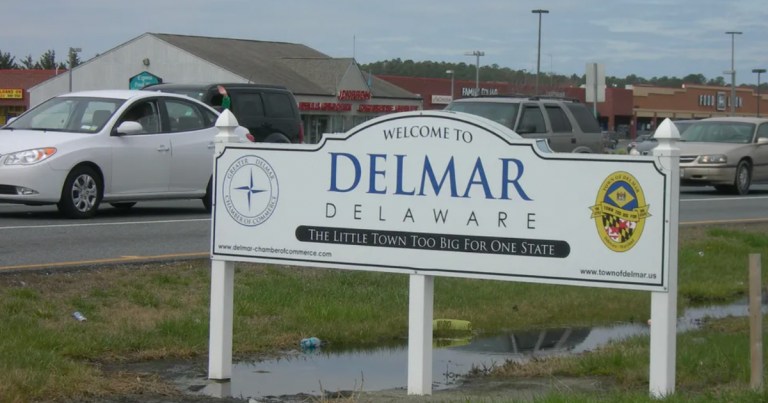
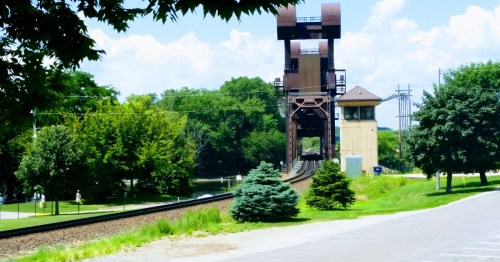
The town of Delmar spans, well, Delaware and Maryland. It was established shortly after the railroad came to southern Delaware. The town was created to connect the Maryland and Delaware rail lines.

Both railroad companies had charters that allowed construction only in their respective states, so a town was built as a loophole in those charters. The town grew and grew in both residential and commercial ways.

Sprawling farms and houses popped up close to the railroad line. The main street area around the rail line added shops, churches, and more. Taverns and shops were a welcome respite for weary travelers making their way across the state. However, the town's growth and success were stopped by two devastating fires in 1892 and 1901.

A small fire started in the back of the Post Office in August of 1892 on Main Street and it quickly grew and spread to every business place in town, as well as most homes east of the train tracks. Three hundred people were left homeless. The Salisbury Advertiser explained the situation to residents of the nearby town:The burned district extends from Grove street on the north, down Railroad avenue on the west three squares south to Elizabeth street, east from Railroad avenue two squares to Second street. In this territory stood every business house, the hotel, Methodist Episcopal Church and the railroad station, all of which were burned. The fire did no damage west of the railroad track. The origin of the conflagration is supposed to have been the igniting of a match by a mouse in an old sugar barrel which stood in the hall on the second floor of the post office building.
The Salisbury fire service responded promptly to an appeal for help, but owing to the fact Delmar is an inland town, with no artificial water supply, and having no natural streams nearer than two miles, our boys could do little toward keeping up a stream of water. What water they did get was drawn off the tanks of a number of engines.The town rebuilt, but by 1901, another devastating fire swept through the town and again burned it to the ground. The town's residents rebuilt it, and it was quickly thriving again. It wasn't until 1911 that the town had its own water pumps for fire suppression.
Once the town was rebuilt, it boomed around the success of the Pennsylvania Railroad. The Station was a major part of Delmar life in the early 1900s. Shops were built along the rail line, and commerce boomed.

The train brought experienced railmen to the area, as it became an important changeover for travelers moving through Virginia, Philadelphia, and Washington, DC.

Here you can see soldiers during World War II on the trail from Delmar, on their way to serve their country. Today, Delmar in Delaware remembers its historic past with signs throughout the town. Landmarks like the Highball Signal, Dickerson Potato House, and West Potato House are on the National Register of Historic Places, and the town still keeps its small-town feel.
Delaware's small towns really have some amazing histories. If you're fascinated by underrated, little-known places, take a look at our list of some of the best small-town getaways in the US.
Subscribe to our newsletter
Get the latest updates and news
Thank you for subscribing!