Locals Love This Quirky Town in Delaware—and It’s Still Underrated
This quiet stretch of Delaware coastline is home to one of the strangest natural spectacles in the country.
As far as the quirkiest town in Delaware, my vote goes to Slaughter Beach. I know what you might be thinking, too, but my designation of "quirky Delaware town" isn't based solely on the name. Sure, the name itself does raise some eyebrows, but there is another reason this Delaware beach town is on my radar as the quirkiest: a shoreline that fills each year with ancient creatures. Have I piqued your interest yet?
Where Is Slaughter Beach and Why Is It So Unique
Slaughter Beach sits along the western edge of Delaware Bay, about 10 miles from Milford and under two hours from both Philadelphia and Baltimore. Despite its accessible location, it remains one of the most underrated towns in Delaware.
The name alone sparks curiosity. While its exact origin is debated, many trace it back to stories of early slaughterhouses or the harsh realities of coastal life centuries ago. What defines the town today, though, is not its name but what washes ashore every spring.
Slaughter Beach is one of the most important spawning grounds in the world for horseshoe crabs. These animals have existed for more than 400 million years, and each year thousands gather along the shoreline in a synchronized spawning event. It is one of the most distinctive natural spectacles in any unique small town in Delaware, and even along the East Coast!
The Quirky Attraction That Defines This Town
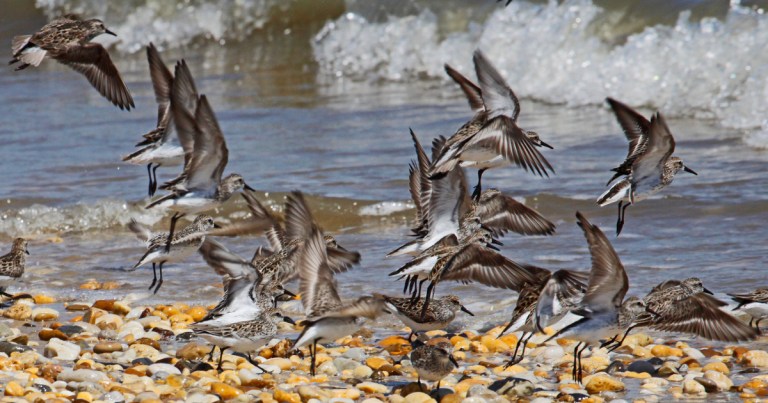
You'll want to keep your eyes peeled on the shoreline for this one. Each May and June, the beaches come alive with horseshoe crabs arriving in waves. At high tide, the sand can be covered with them, creating a scene that feels practically ripped from the pages of a Lovecraft novel. Their presence also supports migrating shorebirds, especially the red knot, which depends on crab eggs for survival during its long journey.

The nearby Prime Hook National Wildlife Refuge adds another layer to the experience. This protected area offers walking trails, birdwatching platforms, and wide marsh views that highlight the region’s ecological importance. It is one of the best places to see how this small coastal town fits into a much larger environmental system.
One of the more unexpected distinctions about Slaughter Beach is its designation as a certified wildlife habitat community. Through the National Wildlife Federation’s Community Wildlife Habitat program, the town has committed to preserving native plants, protecting local species, and maintaining spaces that support biodiversity. In a place already known for its connection to ancient horseshoe crabs and migratory shorebirds, this recognition reinforces what makes Slaughter Beach so unusually wonderful.

For those interested in learning more, the Delaware Department of Natural Resources and Environmental Control frequently shares updates on horseshoe crab populations and conservation efforts.
What It’s Like to Visit Slaughter Beach
Slaughter Beach is quiet in a way that most people, especially me, crave. There are no boardwalk crowds or rows of souvenir shops. Instead, you will find a small residential community, open skies, and the steady rhythm of the bay.
This is a place best suited for nature lovers, the outdoorsy, and anyone looking to experience something different. Spring and early summer are the most compelling times to visit because of the horseshoe crab spawning season. But even outside that window, the area offers peaceful shoreline walks and excellent birdwatching.
Parking is limited, and there are no large commercial areas, so planning ahead helps. Bring what you need for the day and expect a slower pace.
Why It’s Still Flying Under the Radar

Despite its unusual appeal, Slaughter Beach remains one of the least crowded coastal destinations in the state. Most visitors head to well-known spots like Rehoboth or Bethany Beach, leaving this stretch of coastline largely overlooked.
Part of that comes down to its identity. It is not a traditional beach town. There are no amusement parks or nightlife scenes. Its main draw is a natural event that happens quietly and on nature’s schedule.
That niche appeal is exactly what makes it special. It offers something authentic and specific, which is increasingly rare among more developed coastal towns. For more offbeat destinations, check out other unique towns across the US.
Subscribe to our newsletter
Get the latest updates and news
Thank you for subscribing!