Denver vs. Colorado Springs: $53 More Per Ticket, 70 Miles Apart
Denver International averaged $360.65 in 2025—below the national average. Colorado Springs Airport came in at $413.96, significantly higher. The difference gives Denver-area travelers a real edge.
Colorado has two airports in the national top 100 for passenger volume, and the cost difference between them is meaningful. Only In Your State analyzed recently released data from the Bureau of Transportation Statistics, and the data shows Denver travelers paying notably less than those flying out of Colorado Springs.
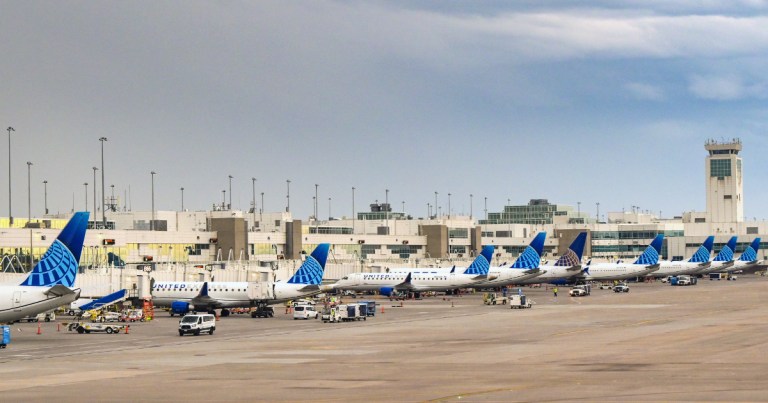
Denver International Airport (DEN), the third-busiest airport in the country by passenger volume, averaged $360.65 per domestic ticket in 2025—ranking 29th most affordable nationally. That's $26.35 below the national average of $387 and a genuine advantage for the millions of travelers who depart from Denver each year.
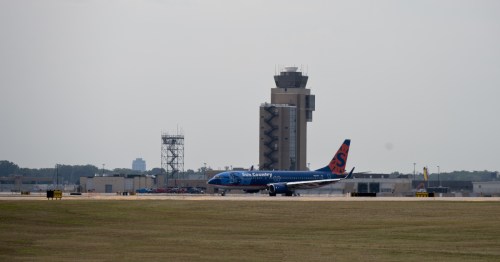
Colorado Springs Airport (COS) tells a different story. Average domestic fares from COS were $413.96 in 2025, ranking 69th out of 100 airports. That's $26.96 above the national average and $53.31 more per ticket than Denver.
Why Denver Is One of the Better Deals in the Mountain West
Denver International's position as the third-busiest airport in the country drives significant carrier competition. Dozens of airlines offer service from DEN, and that competition produces the below-average fares that make it one of the more affordable major hubs nationally.
Colorado Springs, ranked 89th nationally for passenger volume, operates in a much smaller market. Fewer airlines and fewer routes mean less competitive pricing—and fares that run more than $53 higher per ticket than what you'd pay at Denver, roughly 70 miles away.
For Colorado Springs residents willing to make the drive, the math can favor DEN depending on route and timing. At $53 per ticket, a family of four would save roughly $212 on airfare alone—potentially more on certain routes.
Major carrier hubs play a huge role in keeping airfare competitive. Denver International Airport serves as a primary hub for both United Airlines and Frontier Airlines, while also maintaining a massive presence from Southwest Airlines. This head-to-head battle among major network carriers and low-cost airlines forces ticket prices down across most domestic routes. By contrast, regional airports like Colorado Springs rely heavily on feeder flights to major hubs, leaving passengers with fewer choices, less schedule flexibility, and higher baseline prices overall.
Planning Your Colorado Departure
Denver's below-average fares are a genuine advantage, but even a good starting airport benefits from smart booking habits. Timing your purchase right, staying flexible on dates, and knowing how to find the best available fares can stretch your travel budget further.
This data reflects 2025 averages from the Department of Transportation, released in May 2026. Current fares may be higher due to a recent uptick driven by rising jet fuel costs, but the relative relationship between Denver and Colorado Springs tends to be stable over time.
To get the most from your next departure, explore how to find the best available fares and unexpected ways to cut travel costs to help stretch your budget further once you've already got a head start.
To see how every major airport in the country compares—plus the full methodology behind the data—explore the complete U.S. Airport Cost Rankings for 2026.
Subscribe to our newsletter
Get the latest updates and news
Thank you for subscribing!