Be on the Lookout, a New Type of Tick Has Been Spotted in West Virginia
A brand new species has been discovered in America: Welcome (or not!) to the growing West Virginia population of Asian Longhorned Ticks.
Bad news, everyone! Another type of tick has been discovered in the Mountain State. Now, not only do we have to contend with eight-legged, blood-sucking parasites like the dog tick, the deer tick, and the lone star tick, but we also have a new arrival. Does anyone remember the giant parachuting spider that came into our state some years ago? Yeah, we hate that guy too.
In a world that doesn't seem like it could get any worse, we now have another tick to deal with. As of just recently, here in West Virginia, we now have to watch out for the brand-new-to-America Asian longhorned tick as well. If you’ll be hitting the hiking trails in West Virginia this year, you’ll want to learn more about this pesky little critter invading our state.
Get to Know This Invasive Creepy Crawly Tick
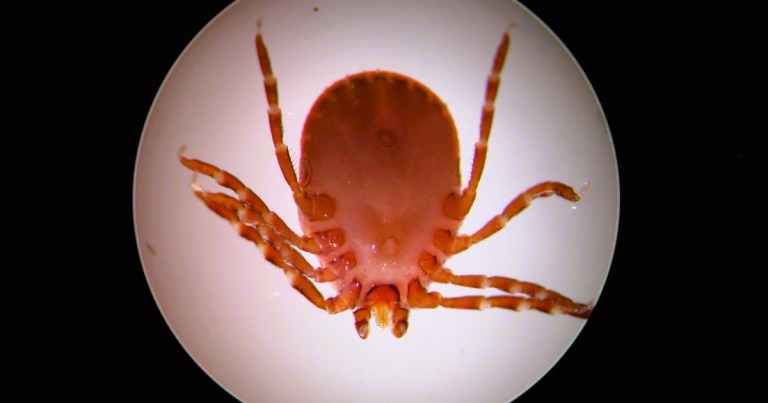
While you’re out exploring or gardening in your yard, be on the lookout for the Haemaphysalis longicornis, officially known as the Asian Longhorned Tick, or the Bush Tick, or simply the Longhorned Tick. I find it amazing that something so tiny has this many identities, but I digress. The invasive critter is native to parts of Asia and the Pacific Islands, including Hawai'i. It was first discovered in the United States on a New Jersey sheep farm in 2017.
So, how do you identify this critter? Well, the female invasive insects are typically light reddish-tan to reddish with darker markings. Males are not identified as part of the invasive populations. The eight-legged insect can be found in tall grass, brush, forest edges, and vegetation, so be sure to keep your eyes peeled when you're out and about.
Efforts to eradicate this new invasive tick at that time failed; the species overwintered, and the Longhorned Tick population has continued to grow. And grow. And grow. Fun Fact, or not so fun fact: A single female can lay up to 2,000 eggs without mating. With the potential for rapid growth, the experts have no official count of how many ticks are in the country today.
What States Are Longhorned Ticks Invading?

What we do know is that as of August 2022, Longhorned Ticks had also been spotted in at least 23 states, including Arkansas, Connecticut, Delaware, Georgia, Kentucky, Maryland, Massachusetts, Missouri, New York, North Carolina, Ohio, Pennsylvania, Rhode Island, South Carolina, Tennessee, Virginia, and -- you guessed it -- West Virginia.
Longhorned Ticks on other continents are known to reproduce both sexually and asexually, and, unfortunately, on the other side of the ocean, they carry serious diseases that can infect both humans and animals. However, not much is yet known about how this newly introduced tick species will behave (and the impact it will have) here in North America. We don't know what West Virginia habitat it prefers or what diseases it could potentially carry.
So far, though, it seems that, at least in comparison to the other common tick species found in West Virginia, the Asian Longhorned Tick is less attracted to human skin. That's one silver lining! Here's another: so far, for those ticks that have been collected and analyzed in a lab, none of the Longhorned Ticks that call the eastern part of the United States of America home have been carrying any human disease-causing pathogens. Here's hoping it stays that way!
Tips for Removing the Pesky Critters
If you do spot a tick on you, here is what you will want to do. Grab the nearest tick removal tool or a set of tweezers and firmly grip the tick close to the skin. You will then apply an even amount of pressure without jerking to pull the tick out. You will want to avoid pulling too quickly for the risk of breaking off its head and remaining in your skin. You can then place the tick in alcohol and save it in a plastic bag or with tape to later identify the species. Then wash the area of the bite thoroughly with soap and water. You will want to watch the area to see if a rash develops. If it does, or you get a fever within the next couple of weeks, make sure you contact your doctor.

The good news is, you can use bug repellents containing DEET, picaridin, IR3535, oil of lemon eucalyptus, p-menthane-3,8-diol, or 2-undecanone to protect against these insects. Also, wear long pants and protective clothing when you're in areas known for having ticks. You should also avoid overgrown or grassy trails when you're hiking. And of course, you should always check yourself, kids, and pets after spending time outdoors.
To learn more about Asian Longhorned Ticks in West Virginia and catch any updates as they become available, visit the Centers for Disease Control and Prevention (CDC) website. Are you good at identifying any ticks you come across? Have you spotted this new one yet? Unfortunately, it's not the only problematic pest out and about in West Virginia.
This information is good to know, but when it is all said and done, it shouldn't keep us from going outside and enjoying our beautiful state. We have so many mountains, rivers, and natural wonders to explore, and although it's good to be aware, we still encourage you to explore some of these incredible natural spots that are unique to West Virginia. So, when you're feeling inspired, use Only In Your State’s itinerary planner to personalize your next adventure in the Mountain State.
Subscribe to our newsletter
Get the latest updates and news
Thank you for subscribing!