You’d Never Guess That Minnesota Has More Peatlands Than Any State In The Lower 48
There are more peatlands in Minnesota - i.e., bogs and fens - than in any state but Alaska. At more than 6 million acres, these amazing ecosystems make up more than 10 percent of Minnesota’s total area, and they are the state’s last, truly wild spaces.
Minnesota’s peatland ecosystem is unique among all those in the world.
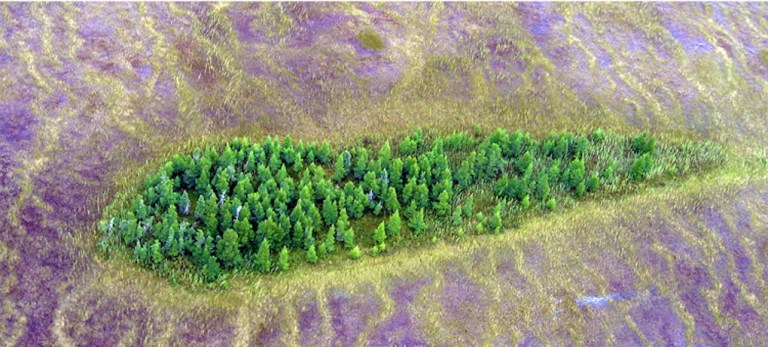
It is largely uninterrupted by development, which means that vast expanses of it exist to be studied and visited.

In fact, the most remote spot in the state is likely in the Big Bog area of Minnesota. It’s the largest single peatland in the Lower 48, and there is a place in it that is about 9.5 miles from any road, trail, or any other human development. That’s almost 300 square miles of undeveloped wilderness - and it’s just a portion of the peatlands in the Land of 10,000 Lakes.
Nevertheless, they are relatively accessible. Unlike other undeveloped peatlands in the world, though, Minnesota’s can be reached fairly easily - i.e., you don’t have to travel into the wilds of Siberia, you can just drive up to the edges of the fens and bogs - and they’re not underpinned by permafrost.

This latter is fact is important, because it affords scientists and researchers opportunities to study the hydrology of Minnesota’s peatlands. For these reasons, our bogs and fens are recognized as being internationally significant.
Much of Minnesota’s peatlands is also open to exploration by intrepid visitors.

You’ll find boardwalks in many peatland areas that allow you to venture deep into the bog ecosystems. This boardwalk at Big Bog State Recreation Area is more than a mile long.
Those who venture into the peatlands will find flora and fauna that are fen or bog specialists which have adapted to the wet and highly-acidic environments.

Orchids, such as the showy lady’s slipper - the Minnesota state flower - thrive in peatlands.
As do carnivorous flora, such as the pitcher plant.

Insects enter the plant, lured by its color and fragrance, but they become trapped and are slowly digested by the plant.
Peatland habitats are also crucial for many animals in northern Minnesota.

The Sax-Zim Bog, for example, is an internationally significant birding area. It offers crucial year-round, as well as seasonal breeding and nesting, habitat for hundreds of species of birds, many of which are considered threatened or endangered.
The elusive boreal owl is occasionally seen in the bog.

Species like the evening grosbeak overwinter in Minnesota’s northern peatlands before returning to their arctic homes. Northern hawk owls and snowy owls winter here, as well.

In the summer, more than a dozen warbler species breed and nest in Minnesota’s peatlands and northern forests.
The Sax-Zim Bog’s most famous residents are its great gray owls.

A year-round population lives in the bog, and even more come south to breed and nest among the bog’s black spruces over the winter.
Minnesota’s peatlands are the state’s most fascinating and least-explored ecosystem. I encourage you to get out and experience these amazing places. Use an app like AllTrails Plus to find trails and boardwalks to access them. In the winter, you’ll want snowshoes - and bring plenty of insect repellant during warmer months.
Have you visited any of the amazing peatlands in Minnesota? Let us know in the comments!
Subscribe to our newsletter
Get the latest updates and news
Thank you for subscribing!