There’s A Deadly Plant Possibly Growing In Kansas Yards That Looks Like A Harmless Weed
Giant hogweed, an invasive and dangerous plant, is spreading across the U.S. and could soon reach Kansas.
The Sunflower State is generally pretty benign - sure, we have tornadoes, four species of venomous snakes, and some areas with high crime rates, but there aren't too many dangerous things in Kansas to be concerned about. However, if you've been keeping an eye on the news lately, it's likely that you've heard about a poisonous plant spreading through the United States. Giant hogweed is an invasive species that's been spotted in several states and could easily make its way to Kansas soon; this poisonous plant is quite dangerous to humans, and it's important to avoid it at all costs. Learn more about what to do if you spot this poisonous plant in Kansas:
We're all taught from a young age to be wary of poison ivy in Kansas, but there are several other poisonous plant species it's worth keeping an eye out for.
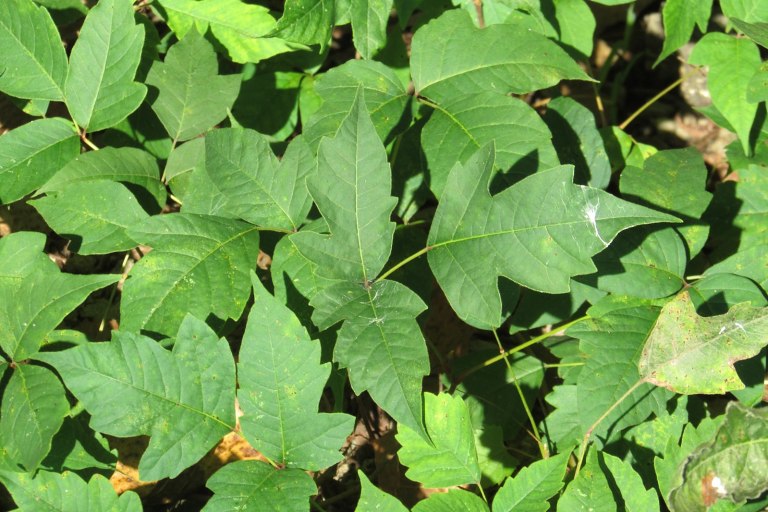
Giant hogweed is not native to the United States at all, it comes from Eurasia. It was originally introduced to the U.S. as an ornamental plant thanks to its pretty flowers, but it's now considered an invasive noxious weed.

The plant typically grows anywhere from six to 16 feet in height and is quite striking with its huge leaves and greenish-white flowers.

However, it can also be quite dangerous. Skin contact with the plant's sap can cause your skin to be unable to protect itself from sunlight. This can lead to severe burns.

There are reports of third-degree burns and even blindness caused by exposure to giant hogweed sap followed by being out in the sun.
Giant hogweed is rapidly spreading through the country and it's been spotted in several states thus far.

While it's most common in New England and New York, it's likely that there will be giant hogweed in Kansas at some point.

If you find giant hogweed, make sure to protect your skin and face with long-sleeved clothing, glasses, and a face mask before applying pesticides or digging up the plant.

It's important to not use a weed whacker, as that will only spread the sap around more.
Scary stuff! Have you ever encountered this poisonous plant in Kansas? Share your experiences in the comments!
When working in the yard, we highly recommend the Tecnu Oak-N-Ivy Cleanser from REI which will help if you come in contact with poison oak, poison ivy, or poison sumac.
Subscribe to our newsletter
Get the latest updates and news
Thank you for subscribing!