Poison Hemlock Is Growing Across Iowa and It Can Be Deadly
Poison hemlock is spreading across Iowa yards and roadsides. Learn how to identify this dangerous plant and safely avoid it.
Summer is a great time for gardening. There's nothing like seeing the yard come alive with beautiful flowers, delicious fruits and vegetables, and decorative plants. However, every gardener knows one specific pain—weeds! Those pesky, unwanted plants that pop up and never seem to go away! Sometimes, it seems like I spend half the time pulling up dandelions only for three more to take their place. But for Iowa gardeners, one weed is of more concern than the rest this summer. Did you know it's even possible to find a poison hemlock infestation in Iowa right in your neighborhood? This harmless-looking flowering plant may appear attractive, but it's one of the most poisonous plants in Iowa and should be removed with caution. The poisonous plant has a dark history and can now be found in all 50 states. Here's everything you need to know if it shows up in your garden.
What Poison Hemlock Looks Like in Iowa
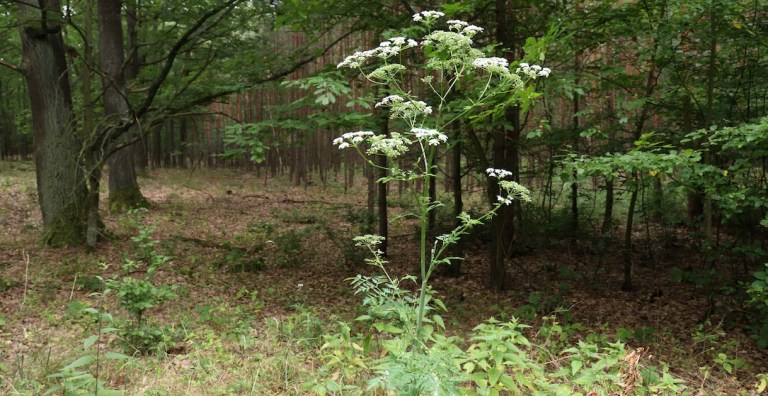
Poison hemlock, also known as wild hemlock, is a biennial flowering plant in the parsley family that is related to carrots. However, unlike its cousins, it's much larger and inedible. Hemlock grows to impressive heights, easily reaching 3 to 8 feet tall, and is highly toxic to mammals.

The main stalk is comprised of hairless, hollow green stems covered in distinctive purple spots. The leaves have a delicate, lace-like texture, and the plant emits an unpleasant odor that many describe as musty and pungent, like mouse urine or burnt peanut butter, and that grows even stronger if it is cut or crushed. This invasive species in Iowa is aggressive and notoriously hardy, often colonizing unmanaged properties, rural fields, drainage ditches, roadsides, and creek beds.
Why Poison Hemlock Is Dangerous

If you see these telltale flowers in your yard, proceed with caution—the plant contains poisonous alkaloids, which attack the nervous system and can be lethal if ingested by mammals. The plant is most poisonous in the spring, when the toxins are at their peak. Hemlock is highly toxic—with only six hemlock leaves being enough to kill an adult human. Most famously, hemlock was the poison that Greek philosopher Socrates was forced to drink.
Because it's a deadly plant in Iowa yards, children and pets are especially vulnerable to accidental contact. Watching out for these dangerous plants in Iowa is one of the basic Iowa hiking safety tips that you should keep in mind any time you head out on the trail. You'll also want to keep an eye out for other hazardous plants, such as wild parsnip, poison ivy, and stinging nettles, which are coated with small bristles that can cause intense pain.
How To Tell Poison Hemlock Apart From Queen Anne's Lace

One of the biggest issues with this plant is how easily it is mistaken for harmless roadside wildflowers. When you're studying up on poison hemlock identification, the most common lookalikes you'll find are Queen Anne's lace (wild carrot, below) and wild parsnip.

While Queen Anne's lace stays relatively short and features distinctly hairy stems with a single dark purple flower at the center of its white umbrella cluster, poison hemlock is completely hairless, marked with purple spots, and grows much taller. Wild parsnip looks similar in shape but features bright yellow flowers instead of white ones. Confusing these species can lead to serious trouble, so it's best to treat any mysterious white-flowered weed with strict caution.
How To Safely Remove Poison Hemlock

During late summer, when you can see the seed heads, it is a good time to uproot the plant before it spreads and returns in larger numbers next year. The agriculture department at Iowa State University Extension released a helpful guide for dealing with this dangerous plant. If it's showing up in your yard and you want to play it safe, make sure you have heavy-duty gardening gloves and protective clothing that covers your skin.
- Avoid weed whackers: Never use mowers or weed whackers on this plant, as shredding it releases toxic sap into the air where it can be inhaled.
- Dig, don't cut: Use a spade or shovel to dig up the hemlock plants by the roots, while being careful not to cut or chop the plant itself.
- Don't burn: Never burn hemlock or its dead stalks, as doing so releases alkaloids, which can be dangerous if you inhale them. The proper disposal method is to seal the plant debris in thick plastic bags.
For more information on toxic weeds in the Hawkeye State and what to do about them, check out official Iowa Department of Natural Resources guidelines. So, this summer, when you're road tripping to any of our giant Iowa attractions or hidden Iowa roadside landmarks, be on the lookout for patches of poison hemlock growing nearby and avoid them.
Subscribe to our newsletter
Get the latest updates and news
Thank you for subscribing!