The One Thing To Do in Hawaii Before the End of the Year
Hawaii's winter swells can be massive and put on a dramatic show of nature's power. If there's one thing you need to do in Hawaii this winter, it's witness this phenomenon firsthand.
As an isolated archipelago in the middle of the Pacific Ocean, thousands of miles from the nearest continent, the Aloha State is famously known for its mild weather, gorgeous beaches, and world-class waves. The best time to catch these Hawaiian waves at their largest and most impressive is during the winter months, and December typically sees some of the biggest winter swells. So, if there's one thing to do in Hawaii before the end of the year, it's head to the North Shore of Oahu (or Kauai or Maui) and check out a winter swell.
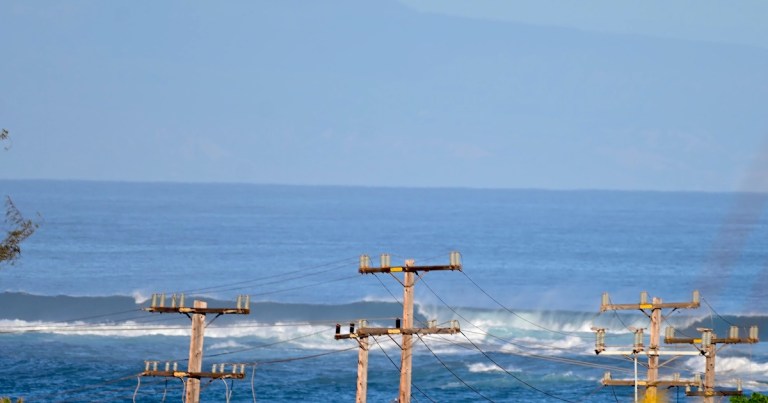
Although surf culture is often associated with California, Polynesians, like those who first peopled Hawaii, invented surfing. Since the sport caught on with the broader public in the mid-20th century, the islands have become a Mecca for surfers of all skill levels, from beginners to professionals. Heck, even I—a Midwestern landlubber—took surf lessons on Maui. But you won't find me anywhere near a board when a winter swell rolls in from the North Pacific. These are the kinds of swells that big wave surfers wait all year to ride—while the rest of us can only sit back and watch (from a safe distance).

In the winter, strong storms develop over the North Pacific, fueled by powerful winds from the polar jet stream. These winds create waves that travel, uninterrupted by land masses, over thousands of miles before reaching the northern shores of the Hawaiian Islands. Such uninterrupted distance is called "fetch"—and the greater the fetch, the bigger the waves. Thus, Hawaii's mid-Pacific isolation is why it experiences such massive swells, especially in winter. And if you're a fan of nature's raw power—or big wave surfing—a winter swell is a sight to behold.

Some swells can bring waves as large as 40 or 50 feet before they break on a reef or the shoreline, which could send them much higher. A 50-foot swell could result in a 70 or 80-foot wave face when it finally breaks. These waves can be terribly destructive when they hit the shore, and some swells have destroyed streets and even homes on the North Shore of Oahu. But when the rest of us are retreating inland, there are always an intrepid few who are paddling (or more likely, getting towed) out into the surf at Waimea, Pipeline, Hanalei Bay, or Peahi. Being near surf like this is a humbling experience—it's almost impossible to hear over the confused roar of the waves, and when they explode against the shore, you feel it in your chest before you register it as a sound.

This December, get to the North Shore of Oahu (or Kauai or Maui) to witness a winter swell firsthand and watch some of the world's best surfers drop into unbelievable waves. It's an experience you won't soon forget. What are some other things that we need to do in Hawaii before the end of the year? We'd love to hear your thoughts over on our Nomination page.
When you're ready to think about your next Aloha State adventure, check out Only In Your State’s AI-powered itinerary planner for some extra inspiration.
Subscribe to our newsletter
Get the latest updates and news
Thank you for subscribing!