The Sliding Sands Trail Has a Fierce Reputation, But It’s One of Hawaii’s Best
The name sounds intimidating, but this scenic hike is one of the most rewarding trails in Hawaii.
The Hawaiian Islands are known for their great beauty, with hikes that showcase stunning landscapes in a variety of ways. The Sliding Sands Trail is no different, but it also happens to be one of the scariest hiking trails in Hawaii due to the alien nature of the volcanic landscape and the high difficulty of the hike itself.
Why Is It Called "Sliding Sands?"
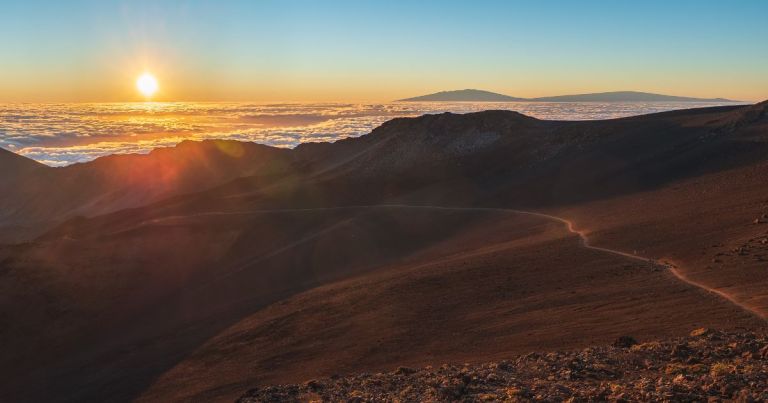
The Hawaiian name for this trail is Keonehe’ehe’e, which roughly translates to “Sliding Sands.” Unsurprisingly, this is named for the nature of the trail, which is specifically composed of volcanic ash, cinders, and sand. The unusual composition of the trail's landscape leads to slippery circumstances for hikers, especially during wet weather.
However, the slippery nature of the trail goes beyond the terrain and sometimes has to do with what it takes to get to this trail. Located in Haleakalā National Park on Maui, this trail starts at just under 10,000 feet above sea level. Then, the trail takes hikers down approximately 2,500 feet into the crater. And what goes down must go up, as hikers will then need to climb up to the original altitude to get out. This quick change in altitude leads many to become sick, with dizziness causing the slippery sands to slide even more. Naturally, this can lead to injuries, and many rescue teams have been called in to help over the years.
What the Scenic Hiking Trail Is Actually Like

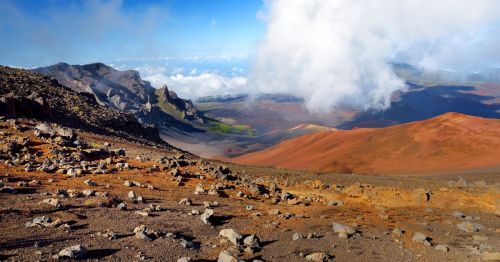
The Sliding Sands Trail is famously compared to hiking through Mars and has many "Dune" references for those inclined to science fiction. This is because the trail feels like it is a small path on the edge of a vast desert, full of orange and red oxidized sands that streak the more typical browns and grays of the terrain.
Make no mistake, although this is a beautiful and unique trail that many choose to traverse, it is a very challenging hiking destination for even experienced hikers. As mentioned, the nature of the sands, as well as the altitude, causes issues, but you can't forget about the weather. The Hawaiian Islands as a whole have casual rainstorms that pass through often. On this Maui hike, the elevation can cause the trail to be much, much colder than the sea-level temperature of the island. If a rainstorm comes through and it's already a cold day, this can prove dangerous to those who are unprepared.
What to Know Before You Go

Haleakalā National Park's Sliding Sands Trail is an out-and-back hike that covers over 18 miles. The trail starts at the top of the Haleakalā Volcano and descends into the crater. Hikers often recall that the hike feels easy upon the descent, but coming back up is absolutely grueling. The Haleakalā Crater is a dormant volcano, meaning that although it has not erupted in a long time (thousands of years) and is unlikely to erupt any time soon, scientists anticipate that it will erupt again at some point and monitor the volcano as a result.
Hikers are safe as long as the national park declares it to be so, but there are a few things to keep in mind when hiking: Always wear sturdy shoes, but shoes with ankle support are even better. Don’t bring a heavy backpack, but water should be one of the main items in the bag. Sunglasses and wipes are smart for warding against the volcanic ash and dust, and a light, rainproof jacket and pants are needed for bouts of cold weather and rain.
Sometimes, places of the greatest beauty can come from places of great hardship. Accessing the Sliding Sands Trail is a feat that shouldn’t be lightly considered. But, for those who are well prepared, the trail winding through a dormant volcano is certainly one of the best hikes in Hawaii, and also ranks as one of the most uniquely beautiful hikes in the world.
Subscribe to our newsletter
Get the latest updates and news
Thank you for subscribing!