The Hidden Treasure in Florida That People Still Seek Out to This Day
As the legend goes, there is still $400 million in hidden treasure in Florida, just waiting to be found. Here is the story behind the 1715 Spanish Fleet.
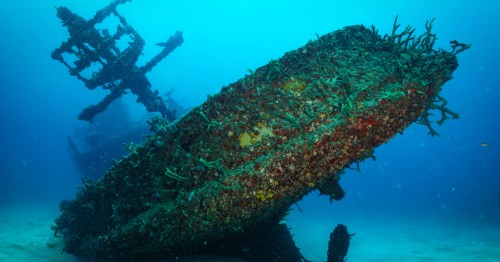
Somewhere beneath the warm, turquoise water off Florida's Atlantic coast, hundreds of millions of dollars in Spanish gold and silver are still waiting to be found. This isn't a legend. It isn't folklore. It's an actual hidden treasure in Florida, not to mention one of the most extraordinary (and still unfinished) stories in American history, and it's been playing out just offshore of a stretch of Florida coastline that literally earned its name because of it.
Welcome to the Treasure Coast, and the ongoing saga of the 1715 Spanish Treasure Fleet: eleven ships, a hurricane, and a fortune that has obsessed treasure hunters for three centuries and counting.
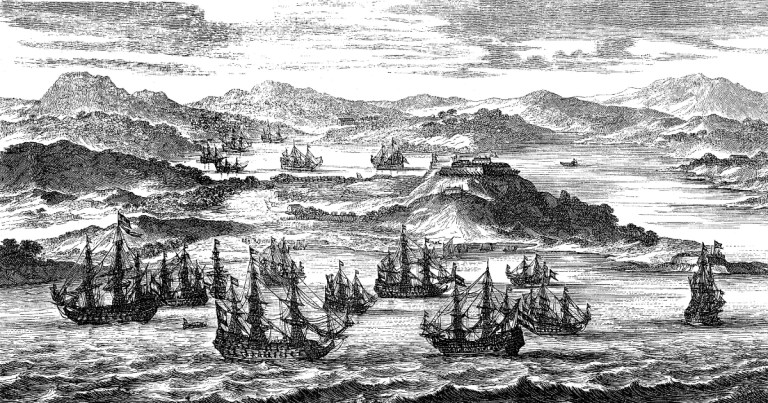
The Story Behind Florida's Most Famous Sunken Treasure
On July 24, 1715, a convoy of eleven Spanish galleons departed Havana, Cuba, heavily loaded with the riches of the New World. The fleet's holds were crammed with silver coins, gold bars, precious gems, and royal artifacts, treasure collected from Spain's colonial empire in the Americas and destined for the Spanish Crown. According to the ships' own manifests, the fleet was carrying an estimated $400 million in treasure (by modern valuation).
They never made it.

Just seven days into the voyage, on July 31, a powerful hurricane swept along Florida's central Atlantic coast. The storm was catastrophic. All eleven ships were driven onto reefs and sandbars between what is now Melbourne and Fort Pierce, killing an estimated 1,000 sailors and scattering the fleet's cargo across miles of ocean floor. It remains one of the deadliest maritime disasters in Spanish colonial history.
The Spanish launched their own salvage operation in the weeks and months that followed, recovering some of the gold and silver from the shallow wrecks. But the sea kept most of what it had claimed. The ships settled into the sand, were buried by time and storms, and, for the better part of two centuries, were largely forgotten.

Why People Are Still Searching (And Still Finding) Treasure Today
The modern treasure-hunting era at the 1715 Fleet site began in earnest in the 1960s, when legendary salvager Mel Fisher and others began systematically working the wrecks. What they found confirmed what the old manifests suggested: there was still an enormous amount of treasure down there. Fisher's operations eventually transitioned to Queens Jewels, LLC, the company that today holds the exclusive U.S. Admiralty salvage rights to the 1715 Fleet, and the finds have not stopped coming.
In 2015, on the 300th anniversary of the sinking, a salvage crew pulled 350 gold coins from the seafloor in a single operation, valued at $4.5 million, including nine rare "Royal" coins that hadn't been recovered since 1998. A family of subcontract treasure hunters separately discovered $1 million in gold coins, chains, and a ring just 150 yards offshore. Then, in the summer of 2025, Capt. Levin Shavers and his crew recovered more than 1,000 silver and gold coins, pieces of eight, worth an estimated $1 million, found scattered deep in the sand near Ambersand Beach north of Vero Beach. Many still bore their original mint marks and dates.

All told, millions of dollars in treasure have been recovered from the site over the decades. And yet by the salvage company's own estimates, only a fraction of the original $400 million has ever been found.
The rest is still out there.
What to Know Before You Visit the Treasure Coast
Your first stop should be the McLarty Treasure Museum in Sebastian, FL, built on the actual site of the Spanish survivors' camp, with artifacts from the wrecks on display inside Sebastian Inlet State Park. Nearby, Mel Fisher's Treasure Museum in Sebastian offers an up-close look at recovered gold, silver, and emeralds from the fleet. And here's the part that never gets old: beachcombing along the Treasure Coast shoreline is legal, and after a strong storm churns up the seafloor, genuine coins occasionally wash ashore. It's rare, but it happens.

Offshore salvage requires a state permit; all recovery in Florida waters is strictly regulated. For more information about visiting, check the Florida State Parks website. The salvage season runs May through October, prime time for new discoveries to make headlines.
Remember...The Hunt Never Really Ends
Three hundred years after eleven Spanish galleons went down in a Florida hurricane, the story of the 1715 Treasure Fleet is still being written, one coin at a time. New finds make national headlines. Divers still suit up every summer to search the same stretch of seafloor. And somewhere out there, beneath the same warm water that laps against the Treasure Coast's beaches today, the rest of the fortune is still waiting.
Subscribe to our newsletter
Get the latest updates and news
Thank you for subscribing!