The Story of This Abandoned Place in Death Valley, California Is Truly Fascinating
Once a glimmer of promise for fortune seekers, this short-lived mining settlement now stands in eerie silence with only rattlesnakes and sagebrush for company.
The road to Leadfield, California, winds through the edge of one of the most unforgiving landscapes in the entire United States: Death Valley. This arid expanse stretches over 3,000 square miles across Southern California, making it the largest national park in the contiguous U.S. Here, summer temperatures routinely soar above 120 degrees Fahrenheit, and rainfall averages less than two inches per year. Yet, despite its harsh reputation, Death Valley offers a haunting, almost otherworldly beauty.
Salt flats gleam under an unrelenting sun, and rippling sand dunes stretch like golden waves toward the horizon. Rugged peaks rise dramatically, some capped with snow even as the valley below swelters. This is a place of extremes — the hottest, driest, and lowest point in North America — where survival feels like a triumph and the landscape whispers tales of resilience.
Against this backdrop of desolation and beauty, it’s all too easy to miss the remnants of a once-thriving community tucked away in the barren mountains. But venture far enough into this stark wilderness and you’ll find Leadfield, a desert ghost town that clings to its history like the cliffs around it. Exploring this abandoned town in Death Valley is like stepping back in time — an eerie, fascinating glimpse into a forgotten chapter of California’s mining boom.
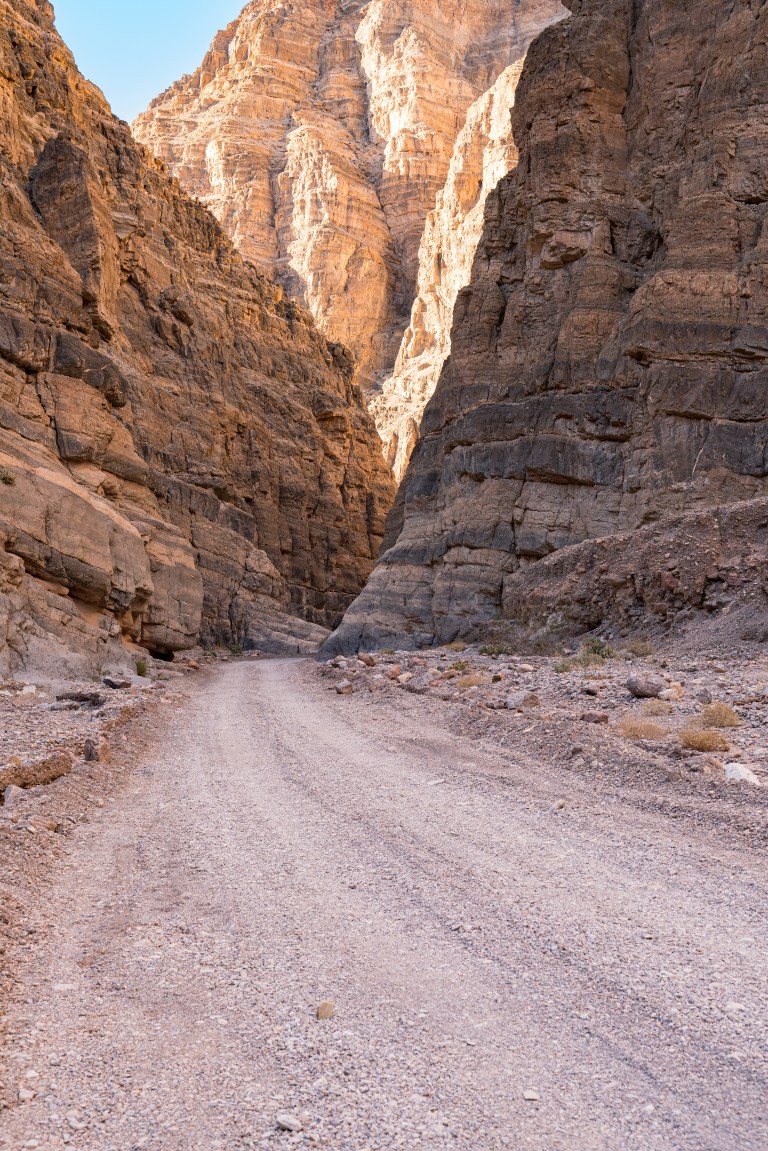
Tucked away on the outskirts of the Sierra Nevada, Leadfield isn’t the kind of place you stumble upon by accident. Woe to the person who finds themselves out here without a plan! Instead, it's the kind of destination whispered about among history buffs, ghost town enthusiasts, and those who appreciate the eerie beauty of forgotten places. Once a thriving mining town, Leadfield now stands abandoned and withering away in the desert near Titus Canyon — a dramatic gorge in the Grapevine Mountains that cuts through the northwestern section of the Mojave Desert, just shy of the Nevada border.
An eclectic collection of weathered buildings and dilapidated machinery falling victim to the harsh climate, the town, once brimming with ambition, now stands as a forgotten relic of 1920s get-rich-quick schemes gone awry, and has been left to wither in the arid heat. For history buffs, adventurers, and those drawn to the haunting beauty of forgotten places, though, Leadfield offers a fascinating story unlike any other in the American West.

According to the advertisements, this up-and-coming town had all the makings of a vibrant, prosperous community: a general store, saloons, homes, and even rumors of a schoolhouse. But that's all the ads were: rumors. Beyond its unique setting, Leadfield, California is special in that its history — indeed its very founding — is shrouded in deception, confusion, and controversy.
Leadfield came to be in the mid-1920s, fueled by bold promises and dubious intentions. Eastern California was overdue for a mining boom, so prospectors and merchants were itching for some good luck. Enter Charles C. Julian, a silver-tongued oil promoter, quietly spinning grand tales of abundant copper and lead deposits in the remote Titus Canyon.

The Gold Rush had long since passed and the Depression hadn't quite hit, so Julian's slick advertising and sheer charisma easily lured in hopeful investors and prospectors who arrived with visions of striking it rich. For a brief moment, the town flourished. By 1926, Leadfield reportedly had 300 residents, shacks, a general store, and even a post office. A road was blasted through the rugged canyon to make the remote town accessible, further feeding the illusion of permanence and prosperity.
But the tales of riches and burgeoning community were built on more than sand — they were built on lies. It was quickly discovered that Julian had vastly exaggerated the ore deposits. In fact, many of the promised "strike zones" were planted throughout the area by Julian himself. By the time Julian's enthusiastic investors arrived, they discovered a barren desert settlement with few resources and even fewer functional mining operations. Julian's scheme unraveled quickly when it became clear that the mining claims were vastly overstated.
By 1927, the bubble had burst and word had spread. Julian fled California amid accusations of fraud, and Leadfield collapsed almost as quickly as it had risen.

What remains is a vast area scattered with mines, dumps, and tin buildings. Rusted metal, crumbling foundations, and weathered wooden buildings all tell their own silent stories of dashed dreams and opportunistic schemes. In this short-lived modern ghost town, the promise of riches quite literally dissolved into the dust of Death Valley.

And yet, this murky piece of SoCal history isn't as straightforward as it seems. Later reports came out that Julian never swindled anyone at all — that he had clearly outlined investment risks and was far from being the only promoter to tout the wonders of the Leadfield district. The 600-foot mining tunnel bored into the side of the mountain, the thousands of dollars of mining equipment, the plans for a 40-room hotel in the heart of town — all were advertised and communicated with the best of intentions, and that it was ultimately the lack of a dedicated railroad to haul the ore that caused the community to collapse.
Whatever the true story, today, exploring Leadfield is like walking through the ruins of a dream that burned too brightly. The remnants of tin-roofed shacks, crumbling mine entrances, and weather-beaten signs tell the story of a boomtown born of ambition but sadly was too good to be true.

Truth be told, there's not much left to visit. The harsh climate has taken a toll quicker than can be said of other ghost towns. Nevertheless, the journey is worth it.
For hardy travelers, getting to Leadfield is an adventure in itself. Titus Canyon Road, a rough, one-way dirt path, twists and turns through narrow rock passages and wide-open desert plains. The drive isn’t for the faint of heart or the ill-prepared, though. A high-clearance vehicle is recommended and you’ll need to navigate sharp turns and rugged terrain.
Along the way, the natural beauty of Death Valley National Park offers plenty of exploration opportunities. From the mesmerizing salt flats of Badwater Basin to the rolling dunes of Mesquite Flat, this is a landscape of extremes, where beauty and desolation exist side by side. Nearby, other ghost towns in Southern California offer a fascinating contrast to Leadfield’s rugged simplicity.
If you’re planning to visit Leadfield or the park as a whole, just be prepared for the adventure. Titus Canyon Road is remote and rugged — no cell service or amenities for at least 30-something miles in Beatty, NV, so be sure to check conditions before you go. You'll also want to consider visiting during the cooler months of fall or winter when Death Valley’s punishing heat relents, allowing you to explore comfortably.
History is a fickle thing and the little-known story of this abandoned town is one for the record books that's for sure! It isn't polished or glamorous but it’s a place to escape the crowds, immerse yourself in history, and witness the raw beauty of the desert. Whether you’re a history enthusiast, an adventurer, or simply someone looking for a unique experience in SoCal, Leadfield offers a journey into a fascinating past that’s undeniably storied.
Subscribe to our newsletter
Get the latest updates and news
Thank you for subscribing!