100 Years Ago, Thousands Of People In Arizona Died Due To A Strain Of The Flu
Arizona was severely impacted by the 1918 Spanish flu due to its poor socioeconomic conditions and high rates of pre-existing illnesses.
In the midst of global, widespread illness, we remember another pandemic that rocked the world: the 1918 Spanish flu outbreak. This incredibly lethal strain of the influenza A virus spread to almost every continent and country, leaving millions dead in its wake. Read on to learn why Arizona was among the hardest-hit states in the nation.
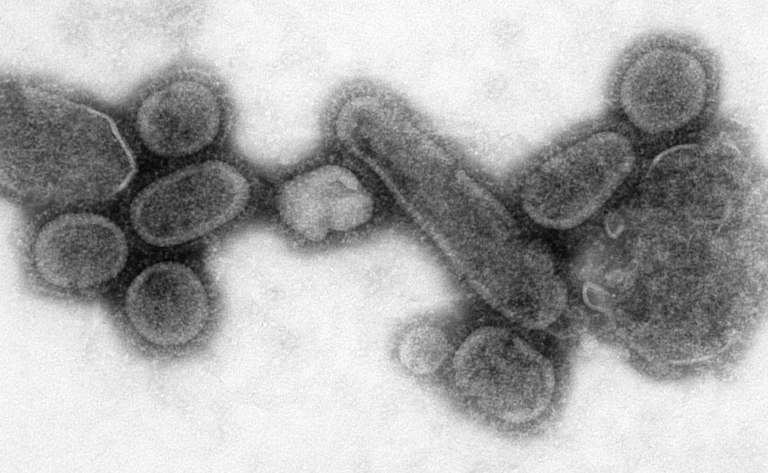
In 1918, one of the deadliest epidemics in human history struck. Known as the Spanish flu, this highly communicable virus infected 500 million people all around the world; the death toll is estimated between 17 and 100 million.
This is a list of typical Spanish flu symptoms. Several of them, including cough and fever, are also indicated in the current COVID-19 outbreak.

As you can see, the U.S. had a higher spike in deaths as compared to several major European cities. Arizona was hit particularly hard, presumably -- at least in part -- because the state was very poor at the time and already saw an unusually high infant mortality rate.

Another potential reason for the devastating impact could've been that during the 1800s, people with tuberculosis were encouraged to relocate to Arizona because of its arid desert climate. Since so many people were already sick, they fared much worse against the virus.

After analyzing death records from all 15 counties in Arizona, epidemiologists learned the northernmost parts of the state saw the most fatalities. Native Americans living in these areas didn't have access to proper healthcare, and due to living in relative isolation, weren't exposed to the previous year's flu strain.

Cochise and Yuma counties also saw high mortality rates. With extremely high concentrations of silver and copper mines, these communities had low socioeconomic statuses. Even today, those in poverty are hit harder during cold and flu season.

The pandemic also had a longer-term impact: birthrate. Exactly 9 to 11 months after peak mortality, there was a dramatic, 43% drop in births. The reason could've been twofold: fewer people attempting to conceive during such a catastrophic time, and/or early pregnancies failing because the mothers were exposed to the virus.

Did you know just how hard Arizona was hit during the Spanish flu outbreak? Let us know your thoughts.
Subscribe to our newsletter
Get the latest updates and news
Thank you for subscribing!