Wyoming Is Home To Two Of The Most Dangerous National Parks In The Country, According To A Study
Wyoming's Yellowstone and Grand Teton National Parks are beautiful but dangerous, with risks from rugged terrain, hot springs, and wildlife.
Wyoming's two National Parks are recognized as being some of the most beautiful places on Earth. Yellowstone was the world's very first National Park and Grand Teton is a stunning small park full of iconic scenes straight out of an adventurer's dream. These little slices of paradise, though, aren't entirely perfect - both parks have been named among the most dangerous in the country. So what makes them so risky?
If you’re planning a visit to this incredible national park, there’s no better time to visit than during National Park Week. Learn all about this celebration of America’s great outdoors — including fee-free days throughout the year!
Grand Teton National Park is visited by approximately 3.4 million people each year. Unfortunately, over the years, 48 visitors have perished in the park.
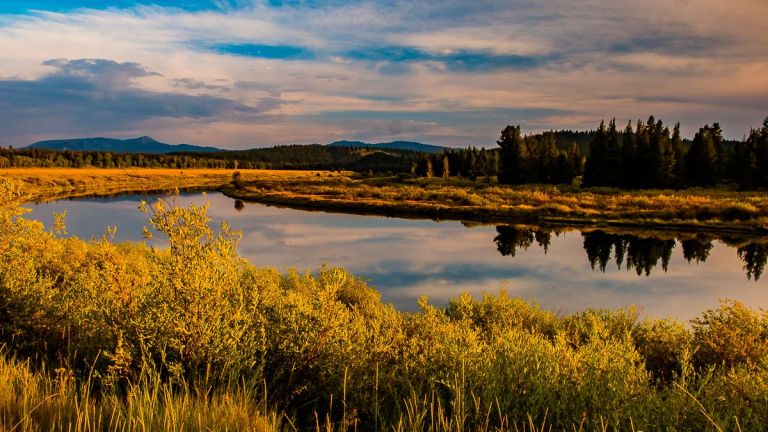
The leading cause of trouble in the Tetons is the rugged terrain. Of the 48 deaths between 2010 and 2020, 21 were caused by falls.

The steep and challenging trails throughout the park include canyons, mountains, and wilderness areas that put guests into a truly wild environment and test visitor's fitness, which may explain why the other top dangers include environmental hazards, like hypothermia, and medical events like heart attacks.

Despite being in the heart of bear country, though, it appears that no fatal attacks have occured within the park. That doesn't mean the danger isn't there - but it is a testament to the park's rangers and bear management program. In the wild areas surrounding the park but just outside of its boundaries, bears have occasionally attacked and killed hikers and hunters.

While the wildlife in Grand Teton has yet to take a life, guests should continue to use common sense to keep their distance - that's a "first" that nobody wants to be remembered for.

Just north of Grand Teton, Yellowstone National Park draws visitors from all over the world to see its famous landscape.

The park's geyser basins are criss-crossed with boardwalks meant to keep visitors safe from the fragile and steaming earth below, but this isn't Disneyland, and accidents do happen.

While these springs may look like idylllic places to take a swim, their incredibly hot and acidic water make them a fatal attraction. more than 20 different guests - including several rangers - have perished in the pools.

The first thermal-related death happened in 1890, and they have steadily occured ever since, despite warnings and efforts by rangers to keep people out of the hot pots.

Unlike Grand Teton, too, the wildlife in Yellowstone has been involved in many more attacks. Perhaps because the land is more remote and wilder. Grizzly bears have taken a few lives in the park, and bison have been involved in fatal car accidents and have injured numerous people.

Don't let this discourage you from visiting two of the most beautiful parks in the country - just please, be careful, and follow all ranger guidance to keep you and your family safe.

To learn more about the dangers of Yellowstone in particular, read about Yellowstone National Park's dark and deadly history.
Subscribe to our newsletter
Get the latest updates and news
Thank you for subscribing!