Ranger's Handbook is part of Only In Your State's coverage of the National Park Service. Always travel respectfully and practice Leave No Trace when visiting public lands.
Get to Know America’s National Lakeshores
Explore America's three national lakeshores and discover what makes each so special. Plus, learn about how you can visit each of these coveted natural gems with one single pass!
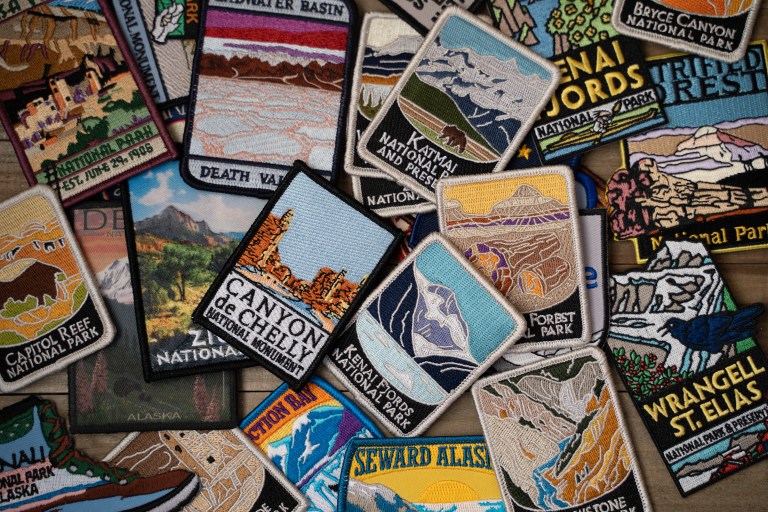
When you think of the National Park System, I’d bet what usually comes to mind are some of our incredible and more well-known national parks like Yellowstone, Yosemite, or the Great Smoky Mountains. However, did you know that National Parks only make up about 15 percent of the federally protected lands that the National Park Service (NPS) manages?
That’s right! There are actually over 400 NPS sites covering more than 85 million acres, including locations such as national monuments, battlefields, historical parks, forests, and other protected areas. And if you really want to level up your experience to see them all, you'll start by purchasing the America the Beautiful annual pass.
National lakeshores are a special subset of the National Park System, designated to protect shorelines, dunes, wetlands, and cultural heritage along America’s Great Lakes. With only three national lakeshores, all located in the Midwest along Lake Michigan and Lake Superior, this is a small but mighty part of the National Park System.
The first national lakeshore, Pictured Rocks, was established in 1966, and up until 2019, there were a total of four national lakeshores… until one became a national park! Keep reading to learn more about this lakeshore’s promotion.
So What's So Special About These Lakeshores?
The Great Lakes region is a unique blend of ecosystems like sand dunes, forests, wetlands and bogs, marshes, prairies, and, of course, aquatic areas. Both Lake Michigan and Lake Superior are freshwater lakes (no sharks here) and are home to rare plants, birds, and fish. Plus, there are miles and miles of stunning coastline with historic lighthouses, shipwrecks, Indigenous sites, and more. Think epic swimming, hiking, paddling, and even camping.
Meet the 3 (Current) National Lakeshores

Pictured Rocks National Lakeshore: Lake Superior, Michigan
Pictured Rocks was the very first national lakeshore ever established and was created to protect a large portion of Lake Superior’s stunning shoreline as well as over 300 species of animals and 900 species of plants. Since its designation in 1966, it’s become a must-visit destination, particularly for kayakers. The dramatic red and tan sandstone cliffs, combined with the bright blue and teal waters of Lake Superior, are a breathtaking sight to behold. There are also eight rustic drive-in campgrounds, over 100 miles of hiking trails, and you can even book a narrated boat tour between May and October.

Sleeping Bear Dunes National Lakeshore: Lake Michigan, Michigan
As the name suggests, this is the place to see towering sand dunes, some stretching 450 feet high above beautiful Lake Michigan. Sleeping Bear Dunes became a national lakeshore in 1970, and today, around 1.5 million people visit each year. This lakeshore not only includes 35 miles of beautiful beaches along Lake Michigan, but there are also two islands you can visit.
If you’re feeling particularly adventurous, you can take on the Dune Climb, but keep in mind this can be a strenuous uphill trek in the sand and sun. For a more leisurely lakeshore experience, you can cruise the 7.5-mile Pierce Stocking Scenic Drive and take in the sights from 12 stops along the route.

Apostle Islands National Lakeshore: Lake Superior, Wisconsin
While Apostle Islands National Lakeshore does have 12 miles of shoreline on the mainland, the main attraction is a chain of 21 islands that are only accessible by boat or sea kayak. Located in the northernmost part of Wisconsin, along the shores of Lake Superior, this beautiful area is home to incredible cliff formations and sea caves. Tent camping is allowed on 18 of the 21 islands, and if you’re into scuba diving, you can obtain a free permit to dive at several shipwreck sites and historic docks.
What About the Former National Lakeshore?
Indiana Dunes National Park; Lake Michigan, Indiana
Up until 2019, the Indiana Dunes near Chicago were a national lakeshore. It recently became the 61st national park, following increased visitation and broader public support for the enhanced protection of the area’s natural resources. The national park designation also unlocks additional resources (budget) for more programming, staff, and facilities.
We visited in 2023, and it became a fun game to find the old Indiana Dunes National Lakeshore signs that are still at some trailheads and beaches. We enjoyed hiking the Diana Dunes Dare and taking a ranger-led hike through a protected bog! It’s easy to see why Indiana Dunes was designated as federally protected land all those years ago.
How to Make the Most of Your National Lakeshore Visit
National lakeshores are typically less crowded than many national parks, but there’s still a bit of planning required to maximize your time visiting. For example, a trip to the Apostle Islands requires a boat, kayak, or ferry ride to reach the islands, and Pictured Rocks has miles of backcountry trails that could require advanced reservations or permits. Tickets for some of the most popular activities, like kayaking or a narrated boat tour, could sell out quickly.
The time of year will also matter when you’re planning a trip to a National Lakeshore. Considering all three are located in the Northern Midwest, where winters can be harsh, late spring to early fall is the most ideal time to visit. Now, if you are into wintertime activities like snowshoeing, you can check that off your bucket list at Pictured Rocks.
Just like many of our other great national parks, national lakeshores usually offer free ranger-led programs where you can hear interesting stories of shipwrecks, visit a lighthouse, or even climb a sand dune! Ranger programs are one of our favorite things to do when we visit any NPS location, and we always recommend stopping by the visitor center or checking the park’s website for the latest schedule of programs offered.
The National Park Service also has a great free app where you can download park maps and information ahead of your visit. This is especially helpful in areas where WiFi and cell service are scarce. You’ll be able to look up things to do, see where you are on the map, and read fun facts about the areas you’re exploring.
You can learn more about national lakeshores and other great National Park Service sites here on Only in Your State or at nps.gov. Also, if you're interested in spending some time outdoors, then we'd love to guide you on your journey through our Ranger's Handbook! We cover all sorts of topics regarding outdoor adventures, including why purchasing an America the Beautiful Pass makes all the difference in national park travel.
Subscribe to our newsletter
Get the latest updates and news
Thank you for subscribing!