A Complete Guide To Planning a National Park Trip
Planning a trip to national parks? Check out how to get the most out of your vacation time with this complete guide.
Are you starting the difficult task of planning a trip to national parks and don’t know where to start? Don’t worry—I have been there, and it may seem really overwhelming at first as you start researching all of the different parks and maybe even states that you have never been to before. The whole process is fun to me, and with these tips and tricks, you can become a master planner, too, making the most of your time in the national parks. Let's dive into the nitty gritty of your next adventure, and by the end, you will have a sturdy foundation on which to build your next epic national park trip.
When To Start Planning and Booking Your Trip
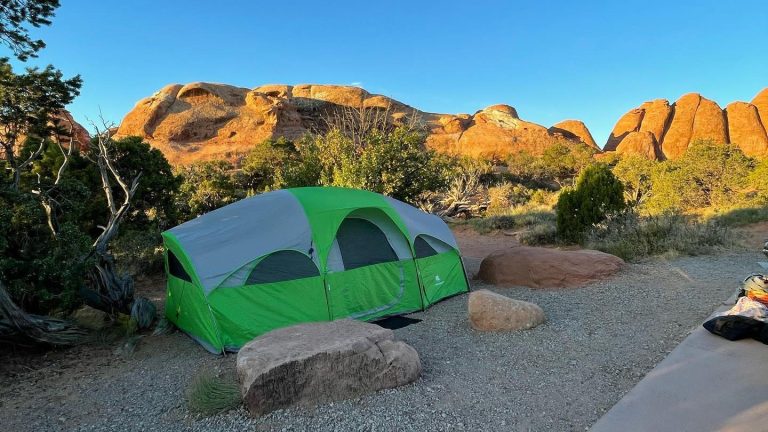
While planning and booking your trip, a good rule of thumb is to start about six months before you plan on taking your trip. Lodging can be a tricky part of this whole journey, and what will dictate how much you can do on any given day.
When we took our trip out west through the desert, we knew we wanted to tent in the Devils Garden Campground in Arches and the North Rim of the Grand Canyon. Arches is a very busy park and many people are trying to book a night stay in the campground, so you have to be quick. The site used for booking national park campgrounds is called Recreation and can be found easily enough from your national park of choice.
Mark Your Calendar

Campsites start the booking process only six months in advance. Note when you will want to go and put it on the calendar for six months before your trip, so you can quickly pick your spot.
We actually missed the first time we attempted, and it was already full, so we had to change plans and stay in a campground outside of the park until the next day, when we were able to secure a spot. Again, sites can book quickly, so mark the date so you can get it before they become full.
How To Get the Most Out of Your Trip

To get the most out of your trip, you can use that six-month time window to start planning each step of the way. We find it very helpful to build an itinerary for our trip that gives us the details of every park and all of the trails within each. This is the fun part because first, you will want to pick which parks are important to you. We wanted to make the most of our trip, so we planned a 17-day trip and did a loop that included 12 distinct national parks.
Now, you don’t have to go that hard if you want a more leisurely trip, but sometimes you have to just use what you have. I find it helpful to open a map and see how close each national park is. For instance, when we were planning a national park trip to the desert, we knew that all of the Utah national parks, known as The Mighty Five, were fairly close together. It made sense to pair them all together and hit up each park one after the other.
Group Destinations Together

You may choose to go to a different part of the country—perhaps a trip to the Smoky Mountains, the Blue Ridge Parkway, and Shenandoah sounds appealing to you. Or consider a trip to Yellowstone and pair the nearby Grand Teton National Park together.
Pairing parks is one of the benefits of a good old-fashioned road trip. You will also need to start researching various must-see trails and planning out how many hikes you will do each day. You also might want to find interesting tours that are unique to the park, like taking a helicopter ride by the Great Smoky Mountains or a jeep tour through the desert. When we planned a larger trip to the Great Smoky Mountains, for instance, we knew there were a few bigger hikes we had on our list and a few smaller ones. We decided to do one big hike each day and end with one or two smaller hikes. Find a plan that works best for you.
If you plan on pairing multiple parks together, getting the America the Beautiful Pass would be wise and cost-effective.
Need-To-Know Access Information (Permits and Passes)

The America the Beautiful Pass allows access to almost every major national park in our country, including some national monuments and historical parks. This can be tricky, though, because parks that require a guided tour—like Mammoth Cave—will require you to purchase a ticket to take a cave tour.
Similarly, some parks are free to enter. If you plan on going to places like Cuyahoga Valley, Congaree, or New River Gorge, you will not need a pass or payment to enter.
If you decide to visit just one or two parks, the America the Beautiful Pass will not be necessary, and it would be more cost-effective to pay the entrance fee to the park for the week.
Timed Entries

Due to some parks receiving a high volume of visitors, timed entries are necessary. This can be tricky when traveling cross-country to a location, and we all know there are plenty of factors on a road trip that can affect that. With careful planning, you can navigate these timed entries with no problem. A perfect example is Rocky Mountain National Park. We had a long day of travel before we arrived, but we knew we wanted to enter the park and visit the Bear Lake area. This is especially tricky because you need a timed entrance to the park and a timed entrance to the Bear Lake area.
We mapped how long it would take to drive there and estimated arriving early to allow extra time for traffic. Once we arrived, we were 15 minutes early, and entered the park and the Bear Lake area with plenty of time to do the epic, once-in-a-lifetime hike to Emerald Lake—something we had always dreamed of. Another option is to stay the night nearby and hop in the car first thing in the morning when the park opens to ensure you won’t run into any problems.
Permits

Some parks require permits to enter certain areas, like Angels Landing in Zion National Park. Again, knowing what your must-see hikes are can really help because then you can prioritize big hikes like this one. Each park will have various rules concerning different permits, but just a quick search on the national park's page will tell you everything you need to know so you can have that paper in hand on the big day.
National Park and Trail Etiquette

I have met many people in my travels, and trail etiquette is often thrown out the window when you stare in awe at our amazing parks. I get it—I have been guilty of just standing in the way with my jaw dropped to the ground, gazing at these natural wonders. I have learned that if a place has been deemed a national park, you can expect unparalleled beauty.
However, being kind to others is of utmost importance in the parks. You should always be mindful of your surroundings. Everyone wants to get that epic picture standing under Delicate Arch, but dozens of others have worked hard to hike the trail and see this glorious arch. I have found that people are most respectful if you wait your turn to snap a few pictures and take a couple of videos. Similarly, while hiking, it is important to give people space. Everyone is different, so some groups will want to take their time while others are hurrying to the next epic location. Being mindful of where people are will help you discern when to allow people to pass or allow them more space.
Leave No Trace

You will see signs all over the parks encouraging you to follow the “Leave No Trace” rule. A popular sign will state, “Take only pictures and leave only footprints.” All these concepts center around leaving our parks in pristine and beautiful conditions.
No one wants to see trash littering a trailhead, and leaving waste can have a devastating effect on the park's ecosystem. For instance, if people leave food behind, bears are more than likely to find it and will start to get too comfortable with humans, which can lead to their euthanization, and no one wants that. Packing in and packing out is a simple rule we can all follow to ensure our parks stay pretty and safe for many generations to come.
Stay on Designated Trails

It may be tempting to get that perfect picture, but please stay on the trail. Most incidents in parks occur when people leave the trail.
It can be dangerous at certain heights, and you also risk ruining delicate ecosystems. Another good rule of thumb is not touching or getting too close to wildlife. It may be tempting to pet the “fluffy cows" (bison), but they are wild animals and can be wildly unpredictable.
How To Plan a Road Trip to National Parks

Ready to get in your car and go? Preparation is key. Before you fill up your gas tank and hit the road, check out these essential steps to ensuring your national park road trip goes smoothly.
Step 1: Plan Which Parks You Want To Visit

This may seem obvious, but you will need to consider your limitations. How much time do you have off work? How far are you traveling to get to these parks? Which parks do you want to see, and how long would you like to visit each park? Once you have settled on a region or a must-see park, it's time to make a map. We use Google Maps on our computer at home and just put each location on the route. Sometimes, you will find that certain mountain ranges or limitations of roads would make the trip easier if you went in a different direction. This will also give you a good indication of the drive time, so you can decide how much time you will want to spend at each park.
Step 2: Plan What To Do in the Park

We are avid hikers, so we gravitate towards hiking adventures, but maybe you enjoy a pleasant sightseeing tour through the park. Figure out what the park has to offer, get familiar with the roads, and the must-see attractions. My wife and I keep a big list and rank each one in order of importance, so that while we research, we know which ones to prioritize. We use our AllTrails app, which helps organize our trails. If you plan to do something that may be timed, like Thunder Hole in Acadia, look at the tide chart for the day you will be visiting and plan accordingly.
Step 3: Plan Your Lodging

This step goes right alongside step two because it will directly affect the amount of time you can spend in the park. If seeing the sunrise peak over the hoodoos in Bryce is important to you, make sure you book a stay at the nearby Ruby's Inn, so that you can start your day early. If you want to spend more time in a park, research hotels or campgrounds in the area (or even inside the park) to make the most of your time.
Step 4: Get Your Passes, Permits, and Timed Entries

The next step is to secure your paperwork if a section of the park requires a timed entry pass or a permit. Sometimes, things don’t go according to plan, so have a backup plan. If a parking lot fills up or you don’t get the entry you desire, having a second option will be useful. This is some of the best national park advice I can give.
Our itineraries are a guideline, and we're not married to them. We have often found hidden gems in the parks that didn't come up in our research. Taking off on a wild adventure into the unknown, you never know what you might discover in these wonderful parks.
Step 5: Pack What You Need

While comparing parks, some experiences can be vastly different from one another, and having the right supplies is key. Being 12,000 feet above sea level on the Trail Ridge Road in Rocky Mountain is vastly different than the heat of the day in White Sands. Knowing what to expect and packing the right gear will make the trip more enjoyable. Research the weather and the grocery stores, restaurants, and gas stations available in and near the parks. Fill up with gas when you can and pack plenty of post-hike snacks.
Step 6: Check Your Car and Equipment Before You Go

Before embarking on a 6,000-mile road trip for a national park vacation, I make sure to have our oil changed and have everything checked. The last thing you want is to lose precious time in a national park while you wait on the side of the road to be picked up after a breakdown. If you are tenting, ensure all gear is charged, checked, and working correctly to avoid headaches later. Be sure to bring all the standard road trip essentials as well, including a car emergency kit, first aid kit, and necessary comfort items.
Step 7: Enjoy Your Epic Trip

When a trip involves many small details, it can be easy to get caught up in them. Remember why you want to do this trip and be present in the moment while standing on the edge of the Grand Canyon. Breathe the fresh air—you may even have to pinch yourself to make sure what you are seeing is real.
Planning a national park trip can be daunting, but the payoff is worth it. I have gone on multiple national park trips, and we have created memories that will last a lifetime every time. So even though planning a trip to national parks may seem overwhelming at first, just follow the steps and know that it will all be worth it when you set foot on that trail, and you are actually doing the thing that took months to plan. Enjoy our beautiful national parks!
Ready to start planning your next national park adventure? Use Only In Your State's itinerary planner to help you design your perfect trip with recommended lodgings, things to do, and more!
Subscribe to our newsletter
Get the latest updates and news
Thank you for subscribing!