Saharan Dust Is Headed Straight For Texas, And It Can Bring Unpleasant Symptoms
Saharan dust from Africa is expected to reach Texas, bringing both respiratory issues and beautiful sunsets.
If you've lived in Texas for any significant amount of time, Saharan dust is probably a familiar phrase. During summertime, these plumes travel across the Atlantic and sometimes spread as far as the U.S. A wave of dust is expected to grace the shores of our state later this week, and it could bring along some unpleasant symptoms -- plus a few perks!
Located in northern Africa, the Sahara is the world's largest hot desert. It spans nearly four million square miles, which is comparable to the area of China or the U.S.
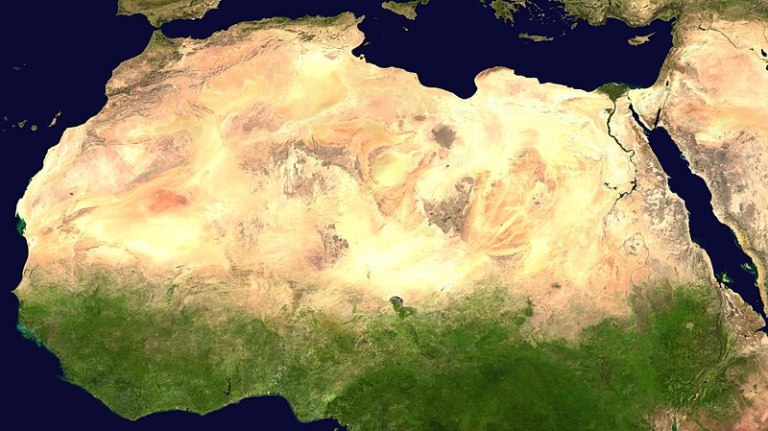
Later this week, a large plume of this dust will enter the Gulf of Mexico and subsequently move into Texas. It was picked up by strong trade winds and transported across the Atlantic Ocean last weekend.

Throughout the summer, Saharan dust regularly moves across portions of the open Atlantic. It doesn't always reach the States, so this particular plume is clearly larger and stronger than most.

When the dust reaches our shores, expect to see hazy skies. Beautiful sunsets are also commonplace, as dust particles high in the atmosphere are known to scatter light.

Bring out the tissues! Saharan dust can cause or exacerbate allergies and existing respiratory issues. Symptoms you might notice include itchy eyes, nose, and throat.

Irritating as it may be, Saharan dust actually has a significant upside: preventing hurricanes. Tropical development is impaired by dust plumes in the Atlantic, which brings a smile to the face of Texans everywhere.

So whether you love or hate it, the dust is on its way -- and this likely won't be the last time before summer is over.

Head to The Weather Channel's website to learn more.
Have you ever experienced Saharan dust? If so, what are your thoughts on it? Do you suffer from allergy symptoms when a plume hits Texas? Let us know, and check out our previous article to learn about the 2020 hurricane season: Hurricane Season Is Predicted To Be More Active Than Usual This Year, And Texas Could Be Affected.
Subscribe to our newsletter
Get the latest updates and news
Thank you for subscribing!