Surges Of Up To 18 Meteors Per Hour Will Light Up The Pittsburgh Skies During The 2020 Lyrid Meteor This April
Pennsylvania offers a variety of natural wonders, including gorges, caves, waterfalls, and scenic overlooks, making it a prime destination for nature enthusiasts.
Get ready for a spectacular evening outdoors, Pittsburgh! This is one event we don’t have to worry about being canceled – whether the city’s still virtually at a standstill or not. April promises an unforgettable show in the sky. In fact, we might be able to see as many as 18 meteors an hour in Pittsburgh during the Lyrid Meteor Shower at its peak.
Every year much of the world is treated to a magnificent show in the sky. The Lyrid Meteor Shower generally occurs each year between April 16 and 26, with peak days around April 22-23.
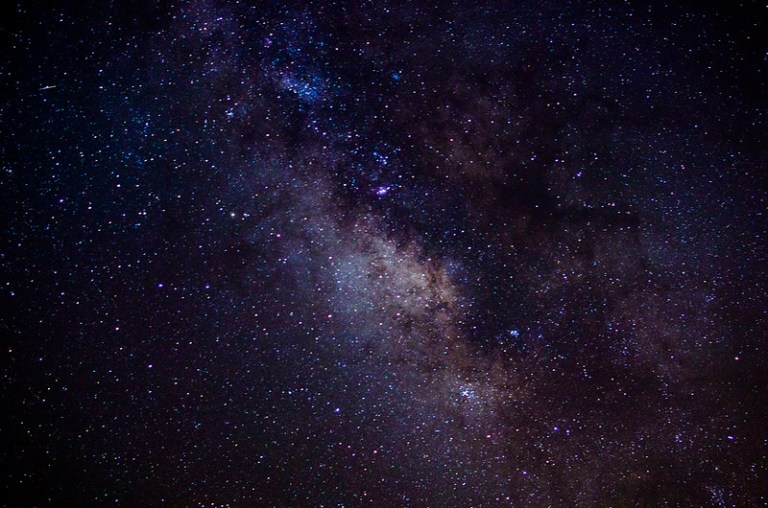
Pittsburgh’s peak is expected around April 21-22, 2020, giving us the opportunity to see up to 18 meteors each hour.

Lyrid Meteor Showers are, according to experts, the oldest ever recorded. Experts at NASA, in fact, say they date back 2,700 years with the Chinese recording sightings in 687 BC.

The meteors are named after the constellation Lyra, and their fireballs are actually debris from the comet Thatcher. Unfortunately, Thatcher takes more than 400 years to orbit the sun, so we’ll never have the opportunity to see it. (Experts say it should be visible from earth again in 2276.)

At its peak, Pittsburghers should be able to see about 18 meteors per hour. Between 10 and 20 meteors on average are seen each hour during the peak, according to NASA. In rare instances, 100 meteors are visible each hour.

For the best view of the meteors, find a space that’s as free of light pollution as possible. When you’ve found the darkest possible spot, put a blanket, a beach towel, or a sleeping bag on the ground, where you can lie.

Kick back, relax, and gaze at the sky as your eyes begin to adjust to the darkness. It will take about a half an hour for your eyes to adjust, so you can see the meteors darting across the sky. Keep an eye out, too, for dust that trails the meteors. The dust usually remains in the sky for a few seconds.

Click here to learn more about Lyrid Meteors from NASA.
Are you ready to see the meteors in Pittsburgh next month? Let us know in the comments! Now’s a pretty good time to start thinking about the hot summer days and how to fill them, don't you think? Consider a tour, for example, down the Three Rivers on this tiki boat.
Subscribe to our newsletter
Get the latest updates and news
Thank you for subscribing!