Surges Of Up To 18 Meteors Per Hour Will Light Up The Pennsylvania Skies During The 2020 Lyrid Meteor This April
Pennsylvania offers a variety of natural wonders, including gorges, caves, waterfalls, and scenic overlooks, making it a prime destination for nature enthusiasts.
The sky is about to put on a spectacular show in April, and you definitely won’t want to miss it. It, in fact, is the one event none of us has to worry about being canceled. The annual Lyrid Meteor Shower will take over the nighttime sky beginning in mid-April, although Pennsylvania won’t experience its peak until several days later.
Start scouting out perfect spots – away from any light pollution – to drop your blanket or lawn chair for an evening of stargazing. The annual Lyrid Meteor Shower generally occurs between April 16 and 25.
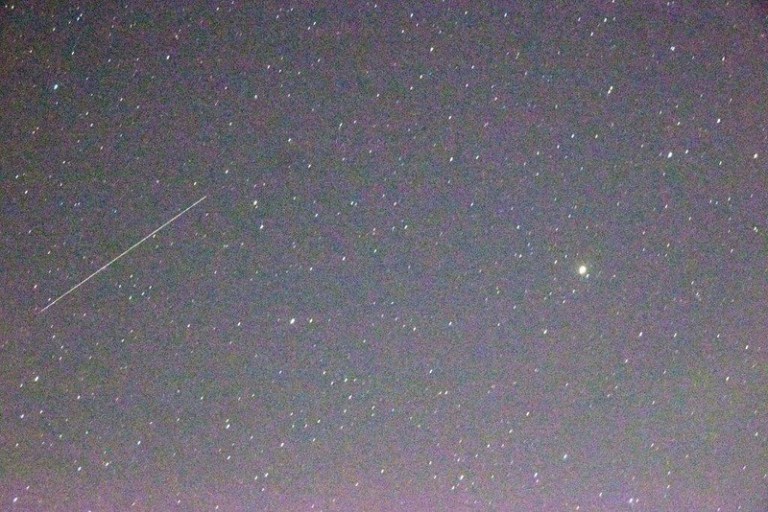
However, the Lyrid's peak is expected April 21-22, when we’ll be able to see up to 18 meteors an hour, including the dust trail that lasts a few seconds after each meteor.

Lyrid Meteor Showers have been an annual event for more than 2,700 years, according to NASA. The first recorded Lyrid meteors were by the Chinese, in fact, and date back to 687 AD.

Named after the constellation Lyra, the meteor’s fireballs are the debris from the Thatcher Comet, which takes more than 400 years to orbit the sun. (Unfortunately, the next sighting of Thatcher from Earth isn’t expected until 2276.)

While you should be able to see meteors shooting across the sky between April 16 and 25, 2020, you might want to wait for the peak evening of April 21-22.

On the peak evening, stargazers should be able to see around 18 meteors per hour. The average number of meteors an hour, according to NASA, ranges from 10 to 12. A few times in history, people have reported seeing as many as 100 meteors an hour.

Go to the darkest spot you can find on the peak night (or any other night), and gaze into the sky. It may take as long as a half an hour for your eyes to adjust to the darkness, so you can start spotting the meteors.

Do you plan on checking out the Lyrid Meteors in Pennsylvania in April? Have you done so in the past? Let us know in the comments! Did you know that you can also go stargazing at Naylor Observatory?
Subscribe to our newsletter
Get the latest updates and news
Thank you for subscribing!