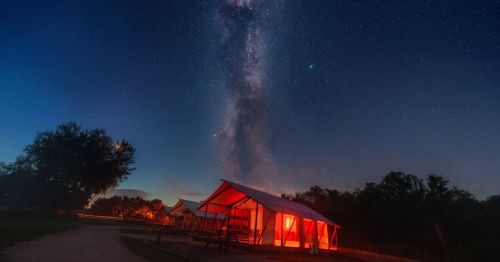
The Next Lunar Eclipse Will Be Visible From Oregon And Here’s Everything You Need To Know
Oregon offers a diverse array of stunning natural wonders, including gorges, waterfalls, caves, and scenic vistas.
If gazing into the heavens fills you with awe and wonder, then the beginning of 2019 holds a special treat. On the evening of January 20th, we'll witness an incredible spectacle - a total lunar eclipse. You may have seen the headlines about the Super Blood Wolf Moon, and we're going to tell you everything you need to know about this somewhat rare event.
If you're wondering why everyone is calling this lunar eclipse a "Super Blood Wolf Moon," here are the details. A "super moon" occurs when the moon is its closest to the earth during its orbit around the planet. During a super moon, the moon appears larger and brighter than usual.
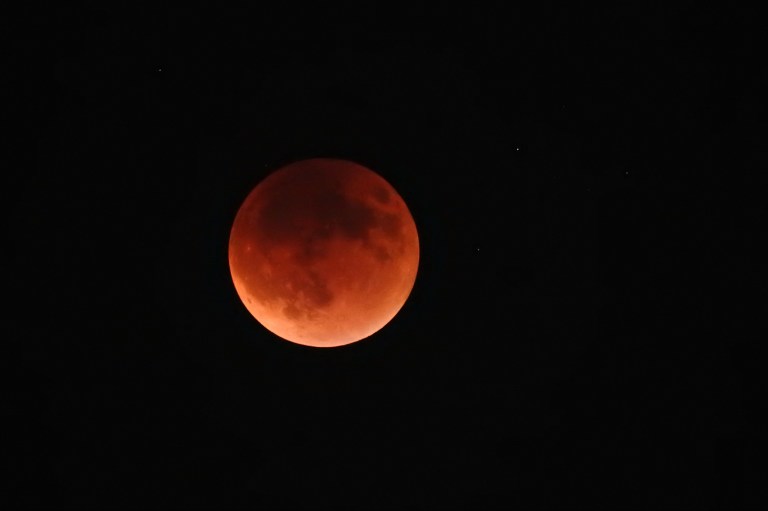
A "wolf moon" is simply a nickname for the first full moon in January. A super moon and a wolf moon aren't that unique...but when you combine them with a total lunar eclipse, this trifecta is truly remarkable.

The "blood moon" occurs during a lunar eclipse. As the moon passes into the sun's shadow, it glows a deep red color. A Super Blood Wolf Moon is somewhat rare - the next total lunar eclipse won't occur again until May 26, 2021.

Oregonians will need to pay close attention to the date of this eclipse - on the East Coast, the eclipse will be complete right after midnight, on January 21st, so you'll see many national news stories that mention this as the date of the eclipse. In Oregon, we don't even have to stay up late to see the eclipse in its full glory on January 20th.

Starting at 6:36 p.m. PST on January 20th, the moon will begin to slip into the sun's shadow. By 7:33 p.m. PST, the moon will start to glow a faint red color, and by 8:41 p.m. PST, it will be a dark red. The total lunar eclipse occurs at 9:12 p.m. PST. Eastern Oregonians in the Mountain Time Zone will want to push their viewing times back exactly an hour.

So, where's the best place to view the Super Blood Wolf Moon this year? Well, pretty much anywhere where the skies are clear! The eclipse will be visible across the U.S., South America, and portions of Europe. Oregon offers some particularly photo-worthy spots though, don't you think? This photo of a total lunar eclipse over Mt. Hood is simply stunning!

It's totally safe to view a lunar eclipse with your bare eyes. In fact, you might want to grab a telescope or pair of binoculars to see it even closer! What are your plans for the Super Blood Wolf Moon?
Subscribe to our newsletter
Get the latest updates and news
Thank you for subscribing!